
A Deep Look Into Sustainable Apparel in Pakistan and Industry Innovation
Sustainable apparel in Pakistan is reshaping the textile industry by combining innovation, responsibility, and global competitiveness. With growing consumer demand for environmentally conscious fashion, brands and manufacturers are increasingly adopting eco-friendly materials and production methods. Companies like Samad Apparel are leading the way, demonstrating how quality, style, and sustainability can coexist. For Pakistan apparel exporters, this shift offers a unique opportunity to meet international standards and attract conscious buyers worldwide. From sourcing organic fabrics to reducing waste in manufacturing processes, sustainable apparel in Pakistan is no longer a niche but a strategic approach that strengthens brand reputation and long-term growth.
Sustainable apparel in Pakistan refers to clothing produced with minimal environmental impact, ethical labor practices, and durable materials. This approach focuses on reducing energy consumption, using organic or recycled fabrics, and improving supply chain transparency. Samad Apparel, for instance, has integrated renewable energy in its production units, demonstrating how manufacturers can balance efficiency with responsibility.
Globally, consumers increasingly prioritize sustainable apparel, pushing Pakistan’s manufacturers to innovate. By embracing these standards, Pakistan apparel exporters can access premium markets and fulfill international sustainability certifications. This not only enhances brand credibility but also creates long-term business opportunities while contributing to environmental conservation.

Several factors encourage Pakistan’s apparel industry to embrace sustainability:
International buyers now prefer sustainable apparel over conventional clothing. Pakistan apparel exporters adopting eco-friendly methods gain a competitive edge. Samad Apparel’s green initiatives have attracted partnerships with European and North American retailers seeking certified sustainable clothing.
Though initial investment in sustainable technology may be high, manufacturers like Samad Apparel benefit from long-term savings. Efficient water use, energy management, and waste reduction decrease operational costs and improve profit margins.
Countries importing apparel increasingly require environmental and ethical compliance. Sustainable apparel in Pakistan ensures manufacturers meet global trade regulations, protecting market access for exporters.
The choice of raw materials plays a critical role in sustainable apparel production. Organic cotton, recycled polyester, and bamboo fibers are increasingly used by Pakistani apparel manufacturers. These materials reduce chemical usage, conserve water, and lower carbon footprints.
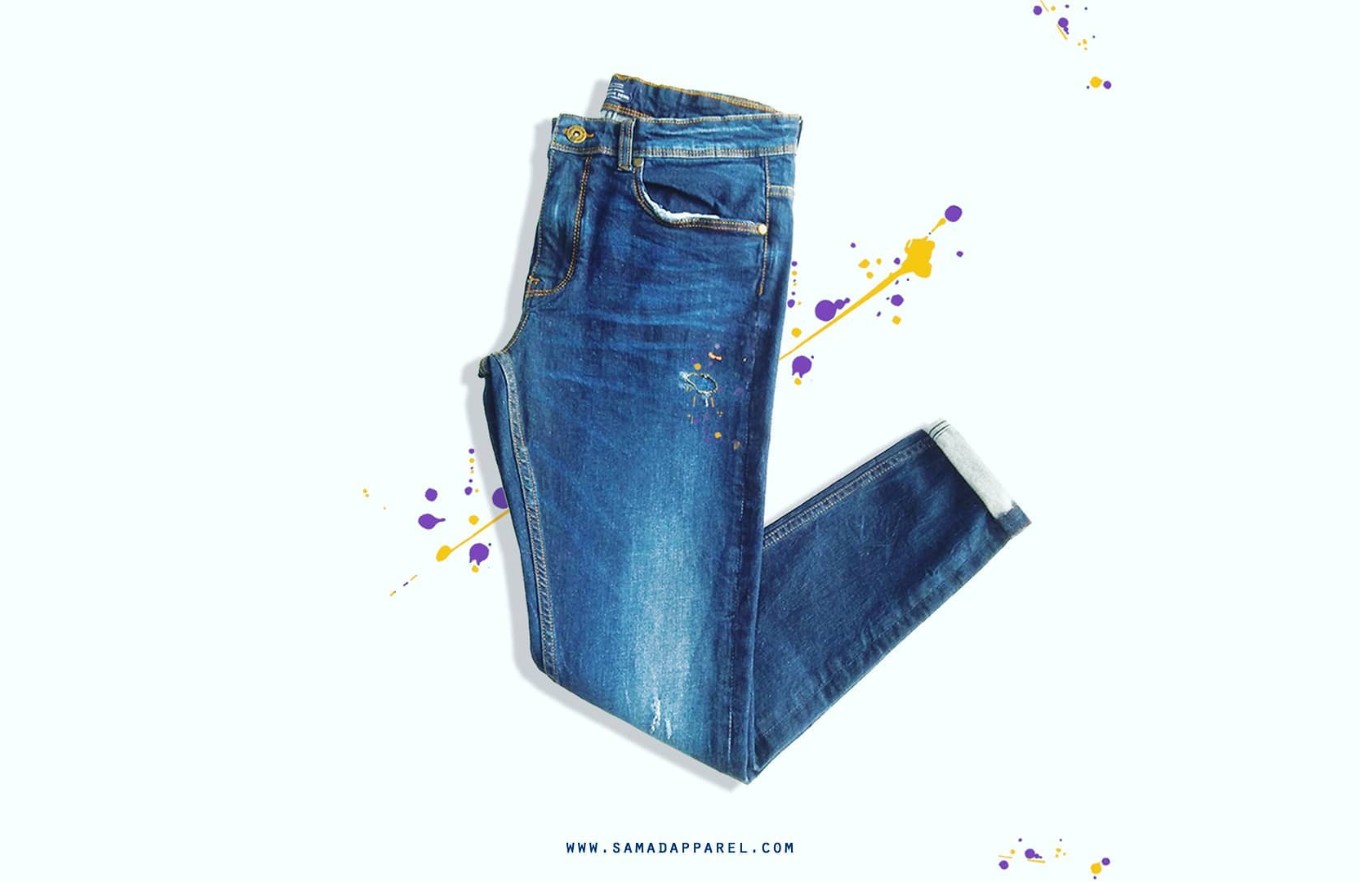
Samad Apparel incorporates these fabrics into its woven garments and denim lines, setting benchmarks for quality and eco-responsibility. By investing in sustainable material sourcing, Pakistan's apparel exporters can enhance brand reputation and appeal to conscious consumers who value transparency and ethical production.
Sustainable apparel in Pakistan isn’t just about materials; it extends to production methods:
Waterless Dyeing Techniques: Reducing water use in dyeing processes preserves resources and lowers costs.
Energy-Efficient Machinery: Modern machinery cuts energy consumption while maintaining production capacity.
Waste Management Systems: Recycling scraps and reducing landfill waste minimizes environmental impact.
Samad Apparel exemplifies how technology adoption can transform traditional manufacturing into a sustainable, competitive, and profitable process.
Despite the benefits, adopting sustainable apparel practices comes with challenges:
High Initial Investment: Upgrading factories and sourcing sustainable materials requires capital.
Knowledge Gap: Smaller manufacturers may lack expertise in sustainable production.
Market Awareness: International buyers demand certified compliance, which can be complex to achieve.
Companies like Samad Apparel overcome these challenges through strategic partnerships, staff training, and continuous innovation. This allows Pakistan apparel exporters to meet international demand and maintain market growth.
Sustainable apparel in Pakistan opens doors for growth:
Premium Market Access: Eco-conscious consumers are willing to pay more for sustainable products.
Brand Differentiation: Manufacturers adopting sustainability stand out in competitive global markets.
Export Expansion: Compliance with environmental and ethical standards improves credibility for Pakistan's apparel exporters.
Samad Apparel’s commitment to sustainability has positioned it as a thought leader in the industry, attracting both buyers and partners globally.

The future looks promising as more manufacturers adopt green practices. Innovation, collaboration, and government incentives will accelerate adoption. Sustainable apparel in Pakistan is set to become the standard, rather than a niche, enabling manufacturers to compete with international brands while promoting ethical fashion.
Contact Samad Apparel today to explore sustainable apparel in Pakistan and boost your global export opportunities effectively.
Sustainable apparel in Pakistan is no longer optional; it is essential for competitive growth and ethical production. Manufacturers like Samad Apparel demonstrate that combining quality, innovation, and sustainability creates value for consumers and exporters alike. By embracing sustainable practices, Pakistan's apparel exporters can secure global market trust, increase profitability, and contribute to environmental stewardship.
Sustainable apparel in Pakistan includes garments made with eco-friendly materials, ethical labor, and energy-efficient production processes.
By producing sustainable apparel, exporters gain access to premium international markets, enhance brand reputation, and comply with global regulations.
Companies like Samad Apparel are pioneering sustainable practices, integrating green technologies, and using eco-friendly fabrics to meet international standards.


