

Beyond Price, Here is How to Evaluate Denim Jeans Suppliers in Pakistan
Choosing a denim jeans supplier in Pakistan is no longer a simple cost comparison. As global denim markets mature, brands are realizing that the cheapest option often becomes the most expensive over time. Delayed shipments, inconsistent quality, weak communication, and limited scalability quietly eat into margins and brand reputation. Today’s buyers are looking for partners, not just vendors. They want reliability, transparency, and operational depth that supports growth, not friction.
Within the first few sourcing conversations, experienced buyers start evaluating far more than price per unit. They assess how a supplier thinks, how they solve problems, and whether they can perform consistently at scale. This shift explains why Pakistan continues to attract serious denim brands that prioritize long-term value over short-term savings.
The price is visible. Risk is not. Many sourcing decisions fail because buyers anchor on cost without understanding what lies behind it. A low quote may reflect outdated machinery, stretched labor capacity, or weak quality controls. These issues surface later as rejected shipments, delayed launches, and emergency reworks.
A dependable denim jeans supplier in Pakistan balances competitive pricing with stable production systems. That balance only comes from operational maturity. Suppliers who invest in workforce training, production planning, and quality assurance often appear slightly more expensive upfront, but deliver predictability that protects the brand over time.
Consistency separates serious manufacturers from transactional ones. Buyers should evaluate whether a supplier can reproduce the same fit, wash, and finish across repeated orders. This is where process discipline matters more than promises.
An experienced jeans manufacturer in Pakistan will have defined workflows for pattern development, size grading, wash approvals, and inline quality checks. These systems reduce variation and help brands maintain product integrity across seasons. Samad Apparel, for example, focuses heavily on repeatability, ensuring that approved samples translate accurately into bulk production without surprises.
Sampling is not just a development phase. It is a window into how a supplier operates under pressure. Fast sampling with accurate execution shows alignment between design, production, and technical teams.
A capable denim jeans supplier in Pakistan treats sampling as a strategic function, not an afterthought. Efficient sample development allows brands to test markets faster, adjust designs quickly, and shorten go-to-market timelines. When suppliers struggle at this stage, delays compound later during bulk production.
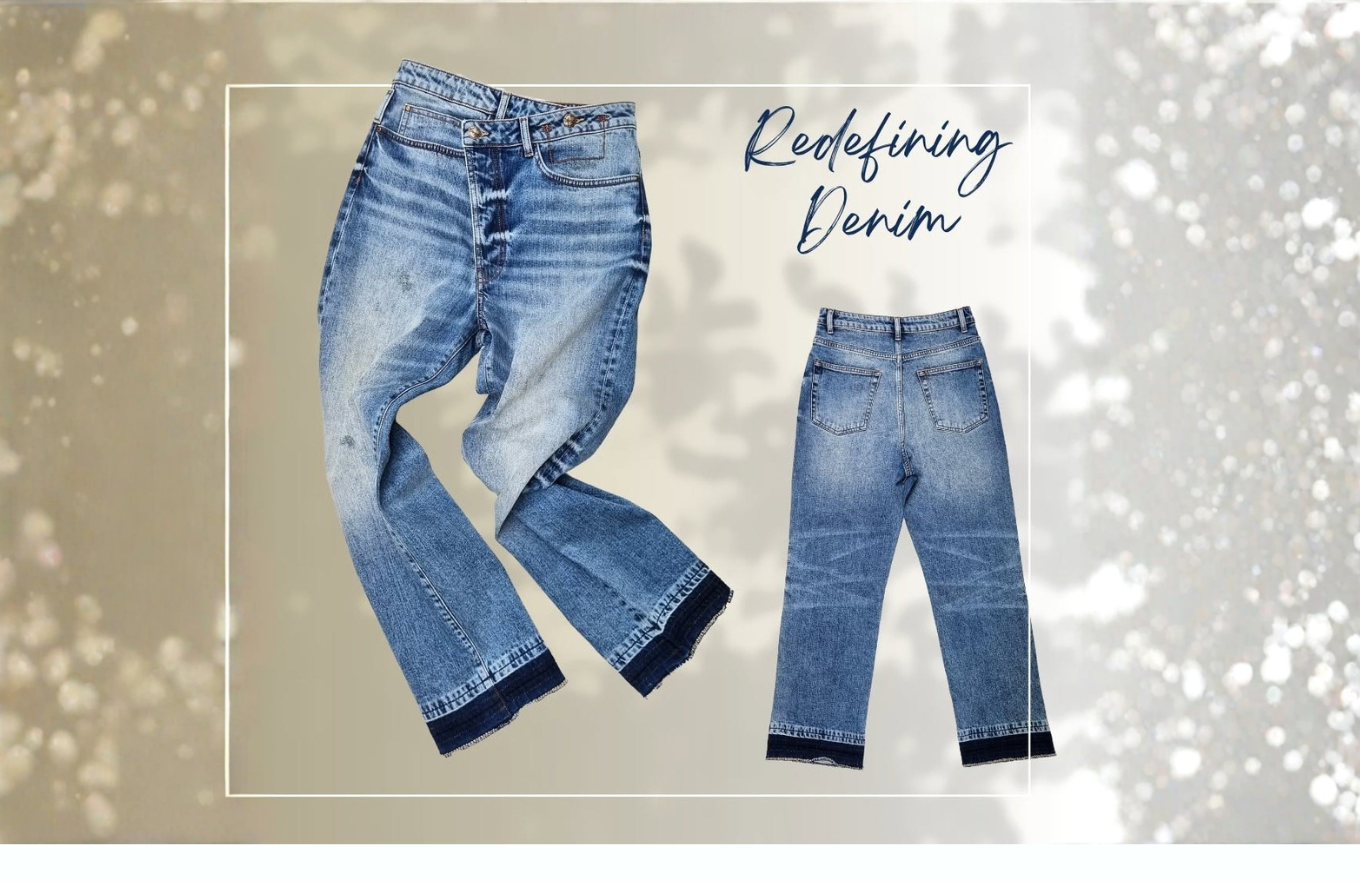
Fit errors are among the most expensive mistakes in denim. They lead to returns, markdowns, and lost customer trust. Buyers should evaluate how a supplier manages fit approval cycles and whether they document measurements, tolerances, and revisions properly.
Manufacturers like Samad Apparel invest in technical teams that understand global fit standards, reducing back-and-forth and ensuring smoother approvals for international buyers.
Clear communication is often overlooked, yet it defines the sourcing experience. A strong supplier asks the right questions early, flags risks honestly, and provides realistic timelines.
A reliable denim jeans supplier in Pakistan does not overpromise. They clarify constraints and suggest alternatives. This transparency builds trust and prevents last-minute crises. Many buyers discover that working with a responsive team saves more money than negotiating a few cents off unit cost.
Growth tests suppliers. A partner that performs well at 5,000 units may struggle at 50,000. Buyers should assess capacity planning, workforce stability, and production flexibility.
An established jeans manufacturer in Pakistan will demonstrate how they scale without sacrificing quality. This includes modular production lines, trained backup teams, and realistic lead-time planning. Samad Apparel has built its operations to support both boutique brands and large-volume programs without compromising execution.
As volumes grow, so do compliance requirements. Brands must ensure that suppliers meet international standards related to labor, safety, and quality documentation. Missing paperwork can halt shipments and damage brand credibility.
Professional manufacturers maintain updated compliance records and understand buyer audit expectations, reducing friction during onboarding and renewals.
Final inspections alone do not guarantee quality. The real work happens during cutting, stitching, washing, and finishing. Buyers should ask how quality is monitored throughout production.
A dependable denim jeans supplier in Pakistan integrates quality checks at multiple stages. This reduces rework and ensures that defects are caught early. Samad Apparel emphasizes inline quality monitoring to protect both timelines and outcomes.
Suppliers focused only on immediate orders often lack an investment mindset. Long-term partners think about efficiency improvements, skill development, and process refinement.
When evaluating a jeans manufacturer in Pakistan, buyers should look for signs of continuous improvement. These include updated machinery, trained technical staff, and openness to collaboration. These qualities indicate a supplier who will grow alongside the brand rather than hold it back.
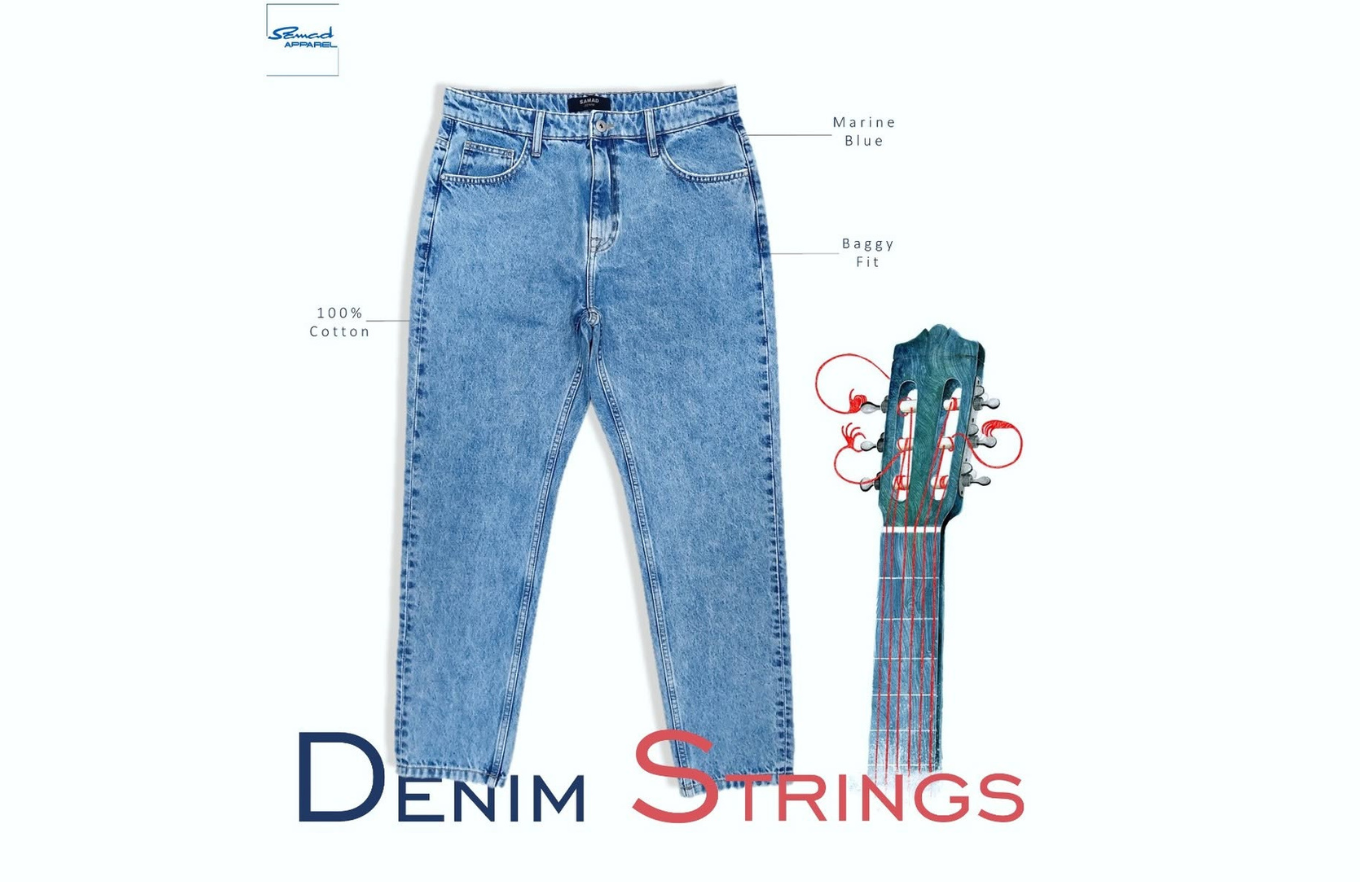
While innovation is important, experience cannot be replaced. Suppliers with a consistent export history understand global expectations and logistical realities.
Brands working with Samad Apparel often cite reliability and execution consistency as key reasons for long-term partnerships. A proven track record reduces risk and accelerates trust-building.
Connect with Samad Apparel today to evaluate denim manufacturing partnerships built for consistency, scale, and long-term growth.
Evaluating a denim jeans supplier in Pakistan requires looking far beyond pricing spreadsheets. True value lies in consistency, communication, scalability, and operational discipline. Brands that invest time in understanding these factors build stronger supply chains and protect their margins over time. Pakistan continues to stand out not because it is cheap, but because the right manufacturers offer reliability that supports sustainable brand growth.
Assess production consistency, sampling accuracy, communication clarity, scalability, and quality systems rather than focusing only on unit cost.
Yes, experienced manufacturers with structured processes and export expertise are well-suited for long-term, growth-oriented partnerships.
Consistency protects brand reputation, reduces returns, and prevents costly production delays that often outweigh initial price savings.


