

Common Sourcing Mistakes Made When Selecting an Apparel Manufacturer in Pakistan
Choosing the right apparel manufacturer in Pakistan can define the success or failure of a clothing brand’s production strategy. Pakistan has earned a global reputation for textile expertise, strong supply chains, and competitive manufacturing capabilities. However, sourcing decisions require careful evaluation and strategic planning. Many international buyers rush the selection process and overlook critical operational factors that influence product quality, delivery timelines, and long-term collaboration.
The result is often delayed shipments, inconsistent standards, and avoidable financial losses. A thoughtful sourcing approach helps brands avoid these costly mistakes. Companies like Samad Apparel demonstrate how structured manufacturing systems and transparent communication create reliable partnerships for global apparel production. Understanding the most common sourcing mistakes can help brands make informed decisions when evaluating manufacturing partners in Pakistan’s competitive textile industry.
Sourcing is more than simply finding a factory that can produce garments. It involves assessing production capabilities, compliance standards, supply chain efficiency, and communication practices. A reliable apparel manufacturer in Pakistan must deliver consistent quality while maintaining operational transparency and efficient logistics.
Pakistan’s textile sector offers strong advantages, including integrated cotton supply chains and experienced labor. These strengths support high-quality production of woven garments in Pakistan for global fashion brands. However, selecting the wrong manufacturing partner can disrupt product development timelines and damage brand credibility.
Businesses that conduct thorough research and establish clear expectations are more likely to build sustainable manufacturing partnerships.
One of the most common mistakes when choosing an apparel manufacturer in Pakistan is focusing exclusively on price. While competitive pricing is attractive, extremely low quotations often signal compromises in materials, workmanship, or compliance standards.
Poor quality fabrics, inconsistent stitching, and inadequate finishing can damage a brand’s reputation in global markets. Buyers who prioritize long-term value rather than short-term cost savings are more likely to build stable supply chains.
Samad Apparel emphasizes balanced production strategies that maintain both affordability and quality, ensuring brands receive garments that meet international expectations.
A reliable manufacturer should demonstrate strong quality control systems, experienced technical teams, and modern production facilities. These factors ensure that garments maintain consistency across large production volumes.
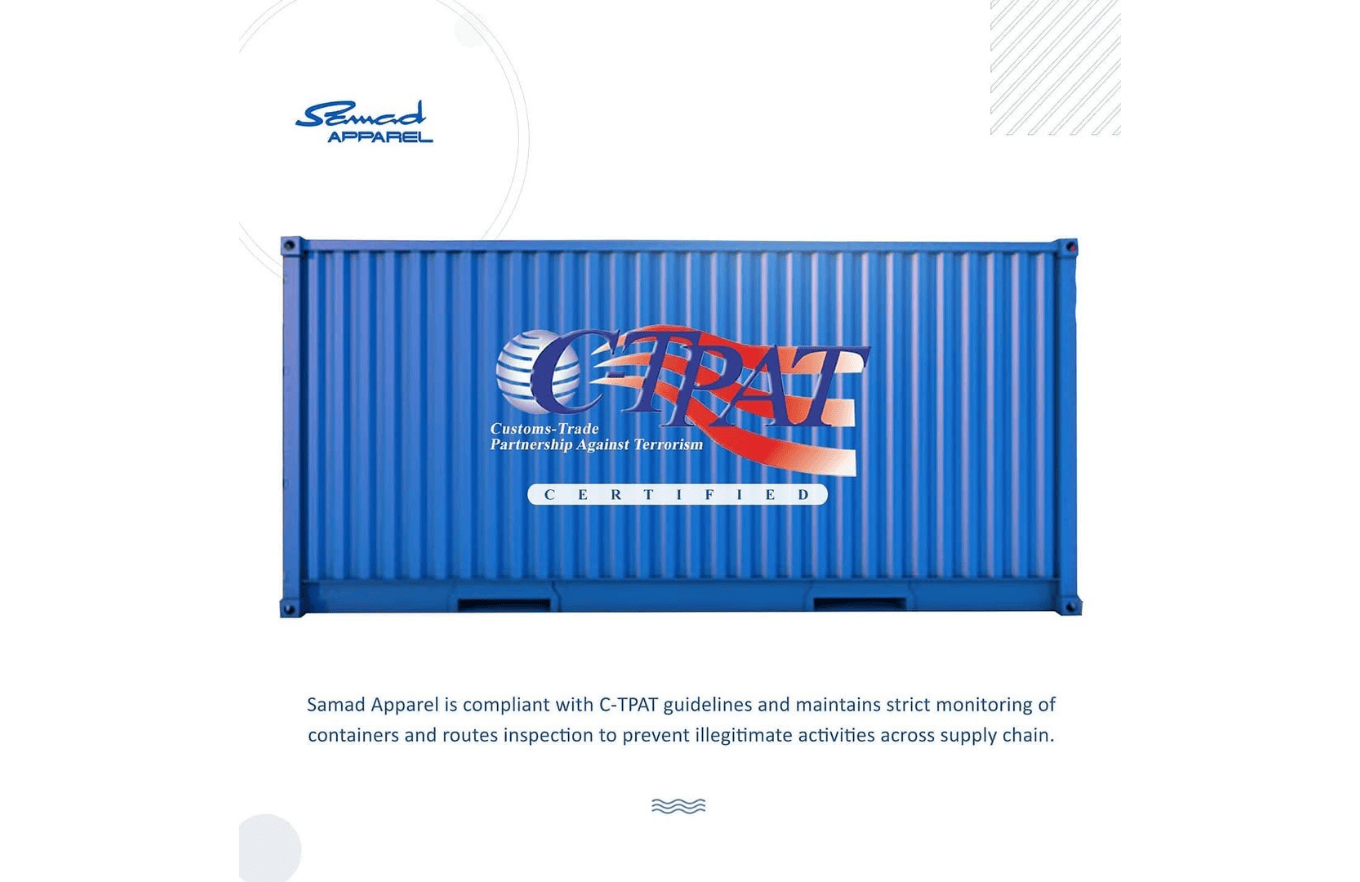
Global retailers require strict compliance with labor, safety, and environmental regulations. Brands that overlook these certifications risk facing supply chain disruptions and reputational damage.
Responsible production practices are particularly important in sectors producing woven garments in Pakistan, where international buyers often require verified sustainability and labor standards.
Working with transparent manufacturers helps ensure compliance with international trade requirements.
Buyers should always request documentation related to workplace safety, labor practices, and environmental management systems. These certifications assure that production facilities meet global regulatory expectations.
Samad Apparel maintains strong compliance protocols, which strengthen trust with international clients.
Not every apparel manufacturer in Pakistan can manage large-scale orders or tight production deadlines. Buyers sometimes commit to factories without fully understanding their operational capacity.
Production bottlenecks occur when facilities accept orders beyond their capacity. This leads to delays, rushed work, and compromised quality.
Factories with modern machinery, skilled workforce management, and efficient workflow planning can maintain stable output levels. Samad Apparel focuses on optimizing production planning systems to deliver orders on time while maintaining quality control.
Effective communication is essential when working with overseas manufacturers. Misunderstood specifications, unclear deadlines, or missing documentation can create significant production challenges.
An apparel manufacturer in Pakistan should maintain open communication channels with buyers, ensuring quick responses and regular production updates.
Clear communication helps align expectations regarding materials, sizing, labeling, and shipping schedules. Brands that work closely with experienced teams often experience smoother production cycles.
Samad Apparel prioritizes transparent communication with clients, ensuring clarity throughout every stage of the manufacturing process.

Fabric selection directly affects durability, comfort, and visual appeal. Many buyers underestimate the complexity of textile sourcing when working with manufacturers.
Pakistan’s textile industry has strong expertise in producing woven garments in Pakistan, making it essential for brands to partner with manufacturers that understand fiber quality, fabric performance, and finishing techniques.
Comprehensive sampling and fabric testing help ensure that garments meet buyer expectations before full production begins. Reliable manufacturers encourage detailed sampling stages to prevent errors during bulk manufacturing.
Pakistan’s textile sector benefits from vertical integration, including spinning, weaving, dyeing, and garment manufacturing. Brands that work with manufacturers connected to these supply chains experience smoother production processes.
A well-connected apparel manufacturer in Pakistan can coordinate material sourcing, processing, and garment assembly more efficiently.
Export management, documentation accuracy, and shipping coordination are equally important. Efficient logistics reduce delivery delays and ensure timely product arrival in international markets.
Samad Apparel maintains integrated supply chain operations that support reliable production and smooth export processes.
Successful sourcing is rarely transactional. Strong partnerships encourage collaboration, innovation, and continuous improvement.
Manufacturers that understand a brand’s long-term goals can optimize production planning, improve product development, and maintain consistent quality standards.
Brands that establish long-term relationships with manufacturers often experience improved efficiency and reduced operational risk. Samad Apparel focuses on building sustainable partnerships that support both brand growth and manufacturing stability.
Contact Samad Apparel today to partner with a trusted manufacturing team delivering quality, transparency, and reliability.
Selecting the right manufacturing partner requires careful evaluation and strategic thinking. While Pakistan’s textile industry offers strong production capabilities, sourcing mistakes can disrupt supply chains and affect product quality. Buyers who prioritize transparency, compliance, communication, and technical expertise are more likely to build successful partnerships. By understanding common pitfalls and adopting structured sourcing practices, brands can unlock the full potential of working with an experienced apparel manufacturer in Pakistan. Companies like Samad Apparel illustrate how responsible manufacturing, technical expertise, and collaborative relationships contribute to reliable global apparel production.
Brands should evaluate production capacity, compliance certifications, fabric expertise, communication systems, and supply chain integration before selecting a manufacturing partner.
Woven garments in Pakistan are known for durable fabrics, skilled craftsmanship, and strong textile supply chains that support large-scale export production.
Brands can reduce sourcing risks by conducting factory audits, reviewing certifications, testing product samples, and maintaining consistent communication with manufacturing teams.


