
Denim Manufacturers in Pakistan: A Sourcing Guide for Brands
Finding the right denim supplier can shape everything from product quality and margins to delivery performance and brand reputation. For fashion brands entering new sourcing markets, Denim Manufacturers in Pakistan offer an interesting combination of manufacturing expertise, textile resources, competitive production capabilities, and export experience. However, choosing a production partner should involve much more than comparing quotations.
A strong sourcing decision requires a closer look at fabric development, washing capabilities, quality systems, production capacity, compliance, communication, and scalability. In this article, we are going to examine the key factors brands should consider when evaluating denim suppliers in Pakistan and how to turn an initial factory search into a reliable long-term sourcing relationship.
Pakistan has a well-established textile ecosystem that supports multiple stages of denim production. This integrated structure can give international brands greater control over sourcing, development, and manufacturing.
The country has experience across cotton processing, yarn production, fabric manufacturing, dyeing, finishing, and garment production. This connected supply chain can help reduce unnecessary movement between suppliers and improve coordination during development.
For brands, that can translate into a more streamlined production journey. Instead of treating denim manufacturing as an isolated process, buyers can work within an ecosystem that supports fabric and garment development together.
Cost remains an important consideration for any fashion brand. Pakistan can offer competitive manufacturing economics while supporting large-scale production requirements.
However, the lowest quotation should never automatically win the order. A cheaper unit price can lose its advantage when poor quality, excessive defects, delayed shipments, or inconsistent sizing create additional costs.
Choosing a supplier requires a structured evaluation. Several operational factors can reveal whether a manufacturer is prepared to support your brand beyond a single order.
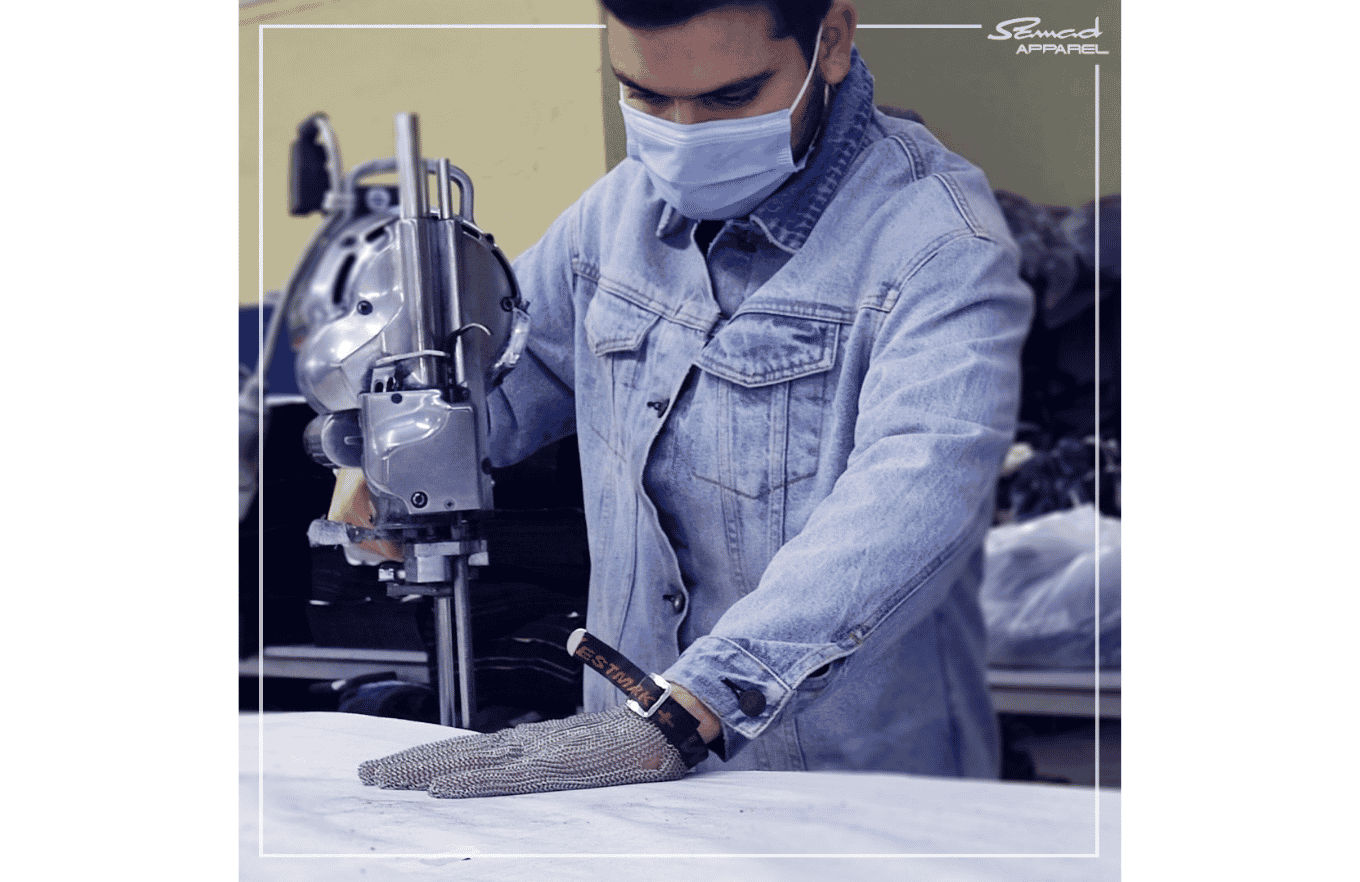
Denim is not simply about selecting a blue fabric. Weight, composition, stretch percentage, construction, hand feel, color, shrinkage, and finishing all influence the final product.
Ask potential suppliers about their fabric development capabilities and whether they can reproduce approved specifications consistently. Sampling should also be treated as a technical process rather than merely a visual exercise.
Washing can dramatically change the appearance and feel of denim. Stone washing, enzyme treatments, softening, bleaching, and other finishing techniques require careful control.
A capable supplier should understand how washing affects measurements, shade variation, strength, and overall garment appearance. Brands should evaluate wash samples before moving into bulk production.
Quality should not be treated as something checked only at the end of production. Reliable denim sourcing depends on controls throughout the manufacturing process.
A structured quality system can monitor fabric defects, cutting accuracy, stitching, measurements, washing results, finishing, labeling, and packing.
For brands working with Jeans Manufacturers in Pakistan, asking how quality is measured at each stage can provide more useful information than simply asking whether a factory has quality control.
A supplier should also be able to explain how defects are recorded, corrected, and prevented from recurring. That level of transparency can indicate whether quality management is genuinely embedded in production.
A supplier may successfully produce a small sample order but struggle when volumes increase. Brands should therefore evaluate both current capacity and the manufacturer's ability to scale.
Production planning, machinery availability, workforce organization, lead times, and material sourcing all influence scalability.
Samad Apparel, for example, can be evaluated not only on product development but also on how effectively its manufacturing capabilities can support changing order requirements.
The right partner should be able to accommodate growth without allowing quality or delivery standards to decline.

Sustainability has moved from a marketing preference toward a serious sourcing consideration. Brands increasingly want suppliers that can demonstrate responsible production practices.
When evaluating Denim Manufacturers in Pakistan, buyers should examine practical areas such as water management, chemical handling, energy efficiency, waste reduction, and responsible material sourcing.
Certifications can provide useful evidence, but brands should also understand the processes behind them. Sustainable sourcing works best when environmental considerations are incorporated into everyday production rather than added only to product descriptions.
Even a technically capable factory can become difficult to manage if communication is inconsistent.
Brands should establish expectations around sampling, approvals, measurements, revisions, production schedules, and shipment milestones from the beginning.
A reliable supplier should communicate potential problems early rather than waiting until a deadline is approaching. This is particularly important when brands are managing seasonal collections or coordinating multiple markets.
Samad Apparel recognizes that effective sourcing involves more than manufacturing garments. Clear coordination between buyers and production teams can make development smoother and reduce avoidable delays.
Comparing supplier prices line by line can be misleading. Brands should consider what is included within the quoted cost.
A complete evaluation should consider fabric quality, washing, trims, packaging, quality assurance, minimum order quantities, lead times, development costs, and shipping requirements.
A slightly higher quotation may offer better consistency, stronger communication, fewer defects, and more dependable delivery. Those factors can ultimately create greater commercial value.
The strongest sourcing relationships develop through repeated performance. Once a supplier demonstrates reliable quality, communication, and delivery, brands can gradually build greater collaboration around new designs and collections.
Long-term cooperation can create opportunities for better product development, improved forecasting, streamlined approvals, and stronger production planning.
Samad Apparel can serve as part of this broader sourcing conversation by supporting brands that are looking beyond a one-order relationship and seeking dependable manufacturing collaboration.
Selecting a denim supplier should be approached as a business decision rather than a simple purchasing exercise. Fabric expertise, washing capabilities, quality control, capacity, sustainability, communication, and pricing all contribute to the real value of a manufacturing partner.
For brands considering Pakistan as a sourcing destination, the strongest approach is to assess suppliers through samples, technical discussions, production evidence, and clear commercial expectations. When these elements align, Pakistan can offer a compelling foundation for developing consistent and commercially competitive denim collections.
Connect with Samad Apparel today to discuss your denim sourcing requirements and build a dependable manufacturing partnership for your next collection.
Successful denim sourcing depends on choosing a supplier that understands both the product and the business behind it. Pakistan's established textile ecosystem, production capabilities, and denim expertise create opportunities for brands seeking competitive and scalable manufacturing.
The real advantage comes from looking beyond price and evaluating quality, communication, flexibility, sustainability, and long-term reliability. With the right due diligence, brands can turn supplier selection into a strategic advantage and build denim collections with greater confidence.
Brands should evaluate fabric quality, washing capabilities, production capacity, quality control, compliance, lead times, communication, pricing, and scalability before placing bulk orders.
Yes. Suppliers with strong production systems, export experience, quality controls, and international compliance capabilities can support brands serving different global markets.
Brands can request development samples, conduct fabric and garment testing, review production processes, evaluate quality documentation, and approve pre-production samples before bulk manufacturing.


