
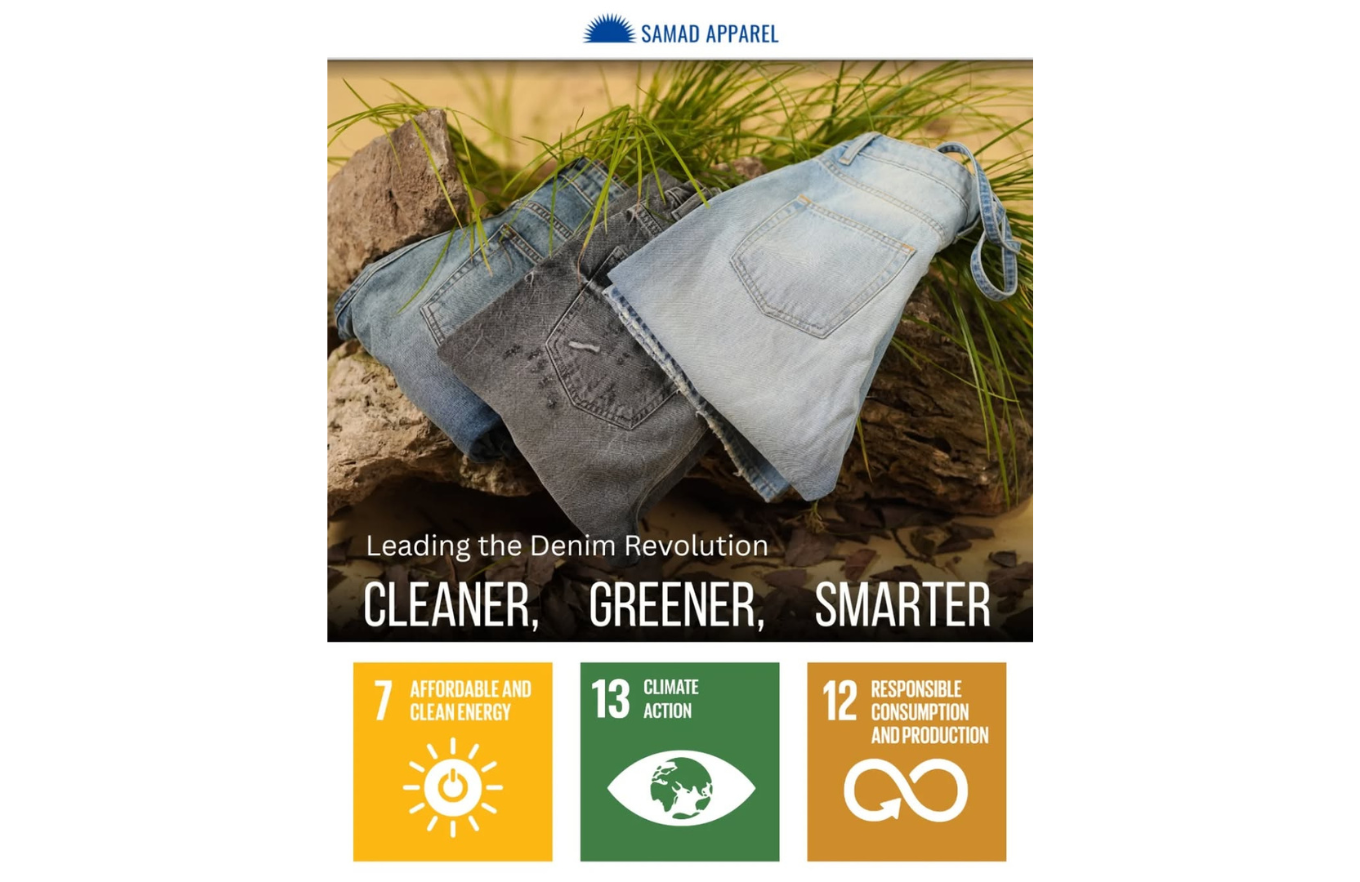
Exploring Sustainable Apparel Opportunities for Pakistan Apparel Exporters
The global apparel industry is moving through a clear shift, and sustainable apparel is no longer a niche discussion reserved for early adopters. It has become a central expectation for brands, retailers, and consumers alike. For companies sourcing internationally, sustainability now influences supplier selection, pricing strategies, and long-term partnerships. This change presents a meaningful opportunity for Pakistan apparel exporters who are ready to align with evolving global standards.
Sustainable apparel is increasingly tied to credibility, risk management, and brand trust. Buyers are no longer asking whether suppliers can support responsible production; they are asking how quickly and consistently it can be delivered at scale. For exporters in Pakistan, this shift opens doors to stronger positioning, deeper relationships, and access to markets that prioritize accountability alongside quality.
Sustainability has moved from a marketing claim to a sourcing requirement. Global brands face mounting pressure from regulators, investors, and end consumers to demonstrate responsible supply chains. As a result, sustainable apparel now plays a direct role in supplier evaluation, contract renewals, and long-term capacity planning.
For a Pakistani apparel exporter, this shift changes how value is defined. Price and speed still matter, but transparency, compliance, and operational consistency now carry equal weight. Buyers want partners who understand responsible manufacturing expectations and can integrate them smoothly into production workflows. Exporters who adapt early gain credibility and reduce friction in negotiations, audits, and onboarding processes.
Pakistan has long been recognized for its textile strength and manufacturing depth. What is changing is how exporters translate this foundation into sustainable apparel offerings that meet global benchmarks. Rather than positioning themselves as raw material innovators, leading exporters are focusing on responsible execution, process discipline, and reliable sourcing networks.
This distinction matters. Brands are not always looking for suppliers to invent new materials. They are looking for partners who can responsibly manage inputs, reduce waste, maintain labor standards, and deliver consistent quality. Companies such as Samad Apparel have demonstrated how exporters can align operational excellence with sustainability expectations without overpromising or misrepresenting their role in the value chain.
The opportunity in sustainable apparel lies in execution, not slogans. Exporters that succeed focus on integrating sustainability into daily operations rather than treating it as a separate initiative. This includes responsible sourcing of fabrics, efficient production planning, clear documentation, and transparent communication with buyers.
Many global brands now prefer exporters who can support sustainability goals through reliable manufacturing practices rather than experimental development. A Pakistan apparel exporter that understands compliance frameworks, audit readiness, and long-term consistency becomes easier to work with. Samad Apparel, for example, has built trust by aligning production processes with buyer expectations while maintaining realistic timelines and quality benchmarks.
Sustainable apparel is often viewed as a cost driver, but exporters increasingly see it as a commercial advantage. Compliance reduces order volatility, strengthens buyer loyalty, and improves forecasting accuracy. Brands are more likely to place repeat orders with exporters who minimize reputational risk and operational surprises.
For Pakistan apparel exporters, this stability can translate into better capacity utilization and stronger planning cycles. Instead of chasing one-off orders, exporters can focus on building long-term programs with predictable volumes. Samad Apparel has leveraged this approach to deepen relationships with international clients who value consistency as much as cost efficiency.
One of the most important aspects of sustainable apparel sourcing is clarity. Buyers value honesty about capabilities more than ambitious claims that cannot be supported. Exporters are not expected to be fabric developers or sustainability inventors. They are expected to be dependable manufacturing partners.
Successful Pakistan apparel exporters clearly define their role within the supply chain. They demonstrate how they manage sourcing responsibly, maintain ethical production standards, and deliver traceable outputs. This approach builds confidence and reduces friction during audits and compliance reviews. Samad Apparel’s positioning reflects this mindset by focusing on execution strength rather than overstated innovation claims.
Transparency is becoming one of the most valuable assets in sustainable apparel sourcing. Buyers want visibility into production processes, timelines, and compliance status. Exporters who can provide clear documentation and open communication gain an edge in competitive sourcing environments.
For a Pakistani apparel exporter, transparency also simplifies internal operations. Clear reporting structures, defined responsibilities, and standardized procedures reduce errors and improve efficiency. This operational maturity supports sustainable apparel goals while strengthening overall performance. Companies like Samad Apparel show how transparency can enhance both credibility and operational control.
The future of sustainable apparel sourcing favors exporters who think beyond short-term gains. Global brands are consolidating supplier bases and prioritizing long-term partnerships. This creates space for Pakistan apparel exporters who can scale responsibly and maintain consistency across seasons.
As sustainability regulations tighten in major markets, exporters who are already aligned will face fewer disruptions. Sustainable apparel becomes less about adaptation and more about continuity. Samad Apparel’s experience highlights how steady alignment with buyer expectations can lead to durable growth rather than reactive adjustments.
Sustainable apparel is not a single transaction; it is an ongoing relationship. Exporters who invest in communication, process alignment, and compliance readiness position themselves as strategic partners. This reduces price pressure and increases collaboration opportunities.
For Pakistan apparel exporters, the goal is not to chase trends but to embed sustainability into how business is done. This approach supports resilience and relevance in a changing global market.
Sustainable apparel has become a defining factor in global sourcing decisions, and Pakistani apparel exporters are well-positioned to benefit from this shift. By focusing on responsible manufacturing, transparency, and consistent execution, exporters can unlock new opportunities and strengthen buyer relationships. The path forward does not require overpromising innovation but delivering reliability with integrity. As global demand continues to evolve, sustainable apparel will remain a powerful driver of long-term sourcing stability for exporters ready to lead with substance.
Contact us today to explore reliable, export-ready, sustainable apparel manufacturing solutions tailored for global brands.
Sustainable apparel helps a Pakistani apparel exporter build trust with global buyers, reduce compliance risks, and secure long-term sourcing partnerships.
No. Sustainable apparel also includes ethical production, transparency, efficiency, and consistent compliance throughout the manufacturing process.
Global brands value Pakistan apparel exporters for their manufacturing depth, scalability, and ability to meet sustainable apparel standards reliably.


