

How Does Sustainable Apparel Reduce Your Wardrobe's Carbon Footprint?
Fashion has a greater impact on the environment than many people realize. From raw material sourcing to garment production and transportation, every stage contributes to carbon emissions. As consumers and brands become more environmentally conscious, the demand for clothing that balances style, quality, and responsibility continues to grow. Choosing garments produced with sustainable practices has become one of the most practical ways to reduce environmental impact without sacrificing performance or design.
Today, Sustainable Apparel is helping reshape the fashion industry by lowering emissions throughout the manufacturing process while delivering premium-quality garments. Through responsible sourcing, energy-efficient production, and longer-lasting products, manufacturers are creating clothing with a significantly smaller environmental footprint. In this article, we are going to explain how sustainable apparel helps reduce your wardrobe's carbon footprint and why it has become an essential choice for modern brands and consumers.
Every piece of clothing requires energy, water, raw materials, transportation, and manufacturing resources before reaching consumers. Traditional production methods often consume excessive resources, resulting in higher greenhouse gas emissions.
Several stages contribute to a garment's overall carbon footprint, including:
● Raw material cultivation
● Fabric manufacturing
● Dyeing and finishing
● Garment production
● Packaging and transportation
● Product disposal
Reducing emissions requires improvements across every stage rather than focusing on a single manufacturing process.
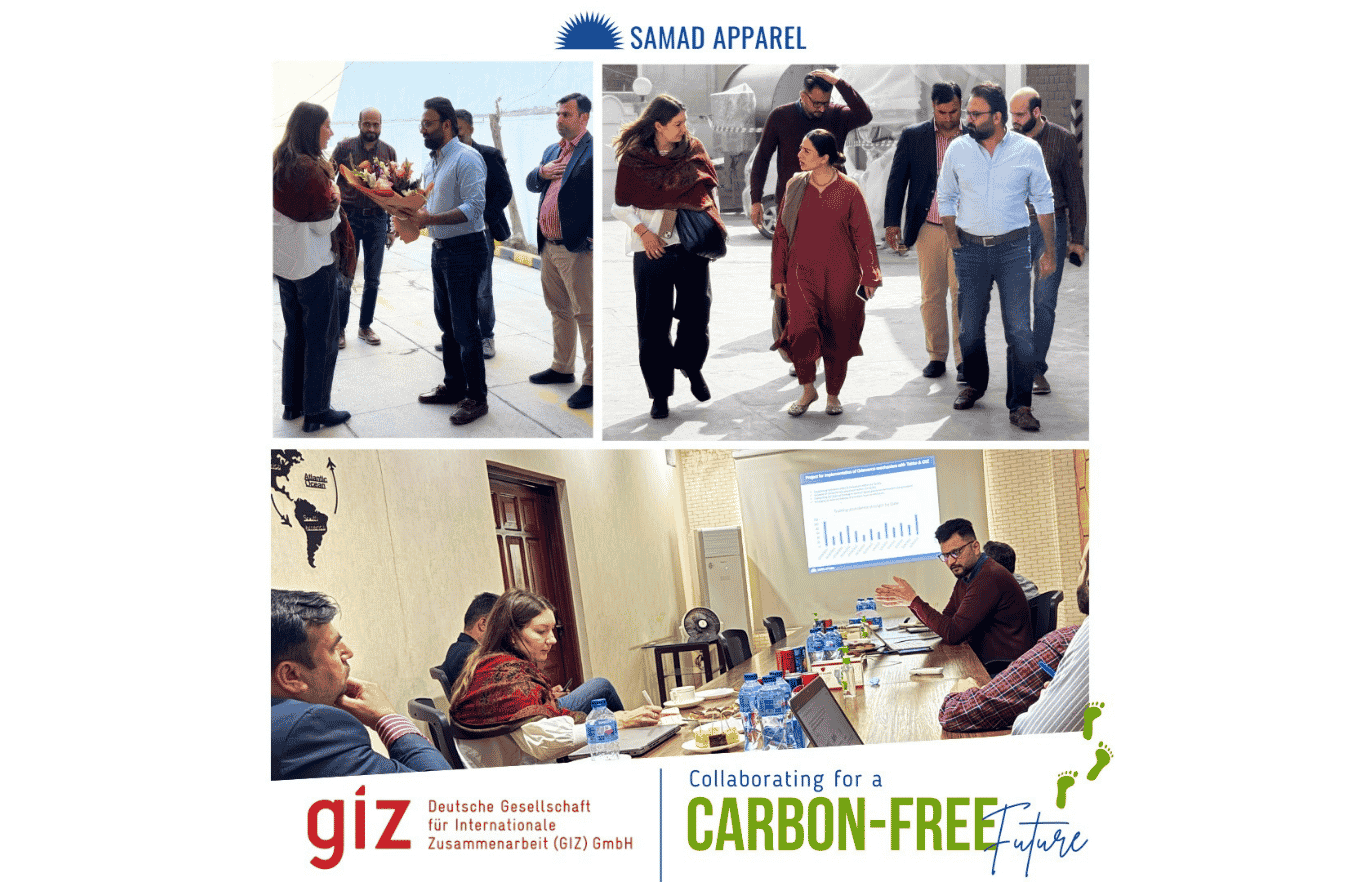
One of the most effective ways to reduce carbon emissions begins with selecting responsible raw materials. Organic cotton, recycled fibers, and responsibly sourced textiles require fewer natural resources compared to conventional alternatives.
These materials offer several advantages:
● Lower water consumption
● Reduced chemical use
● Improved soil health
● Lower greenhouse gas emissions
● Better resource efficiency
Manufacturers that prioritize responsible materials create garments that support environmental goals while maintaining exceptional comfort and durability.
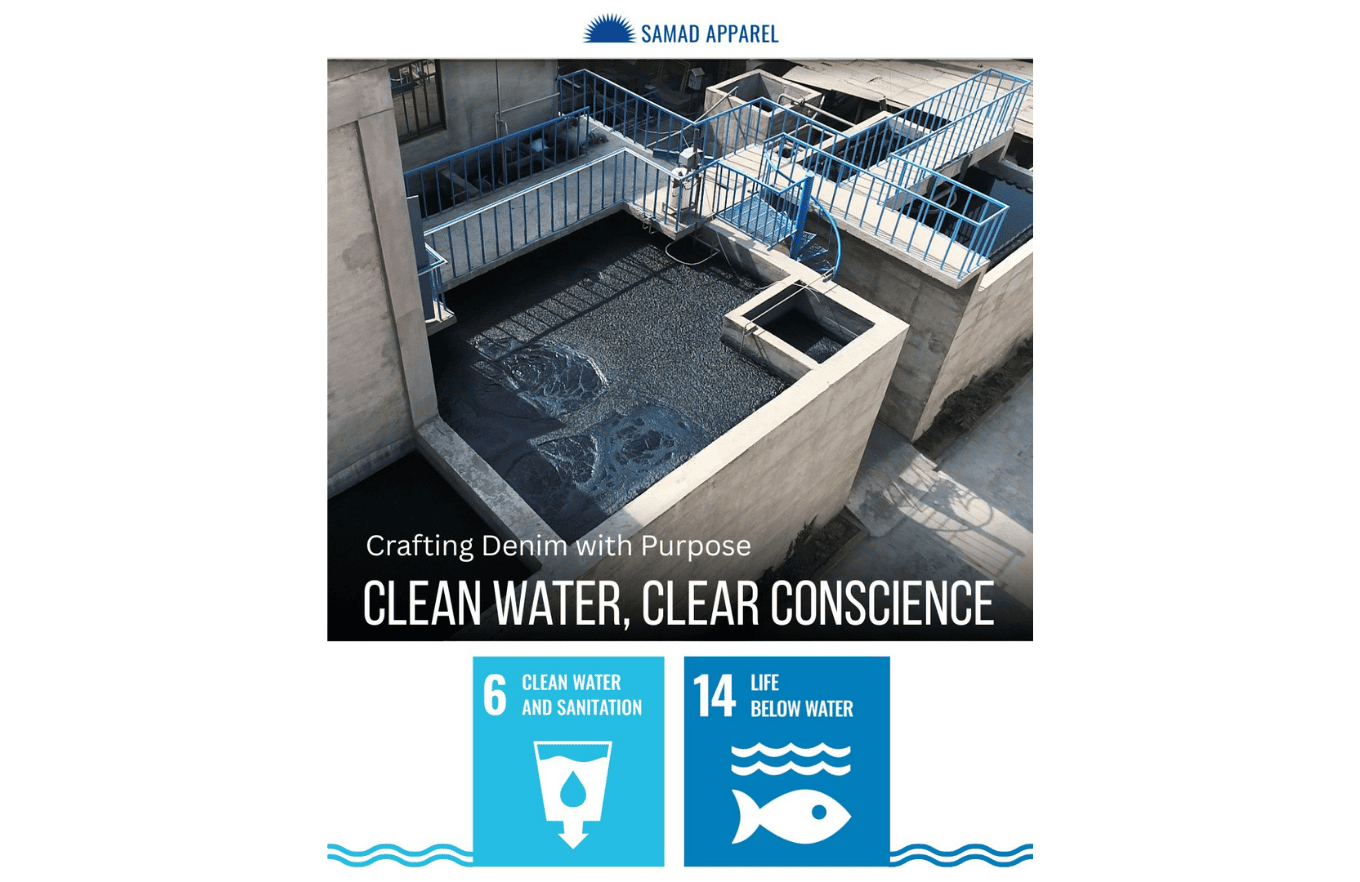
Modern production facilities increasingly rely on advanced technologies that improve efficiency while minimizing waste. Optimized production planning allows manufacturers to reduce unnecessary energy consumption and material loss.
Key improvements include:
● Energy-efficient machinery
● Optimized fabric utilization
● Reduced production waste
● Water-saving technologies
● Improved quality management
Moreover, efficient manufacturing also helps brands lower operational costs while maintaining premium product quality.
Samad Apparel integrates responsible manufacturing practices with advanced production systems, helping global brands develop apparel that meets international quality expectations while supporting long-term sustainability goals.
One often-overlooked aspect of reducing carbon emissions is garment longevity. Clothing that lasts longer requires fewer replacements, reducing demand for additional manufacturing and transportation.
Durable garments provide several long-term benefits:
● Less textile waste
● Lower replacement frequency
● Better value for consumers
● Reduced production demand
● Smaller environmental footprint
High-quality craftsmanship plays an important role in ensuring garments remain functional and attractive through years of regular use.

Brands seeking to reduce their environmental impact should carefully evaluate manufacturing partners. Responsible production goes beyond using eco-friendly materials and includes efficient operations, ethical sourcing, and continuous quality improvement.
Important factors to consider include:
● Responsible sourcing practices
● Modern manufacturing facilities
● Consistent quality control
● Resource-efficient production
● Transparent manufacturing processes
Working with experienced Apparel Manufacturers in Pakistan allows brands to meet growing market expectations while maintaining high production standards. Furthermore, selecting manufacturers with established sustainability programs creates long-term value across the supply chain.
Reducing carbon emissions is no longer only an environmental objective. It has become a business strategy that strengthens brand reputation, improves customer trust, and supports international growth.
Key advantages include:
● Stronger brand credibility
● Better compliance with global standards
● Increased customer loyalty
● Improved supply chain resilience
● Long-term operational efficiency
Samad Apparel continues helping global brands achieve these objectives through responsible manufacturing, premium craftsmanship, and innovative production capabilities.
Lowering a wardrobe's carbon footprint begins with smarter manufacturing decisions and responsible material choices. Sustainable production not only reduces environmental impact but also improves product quality, operational efficiency, and long-term business value. Most importantly, brands that invest in responsible manufacturing today are better prepared for tomorrow's evolving fashion industry while meeting growing consumer expectations.
Partner with Samad Apparel to produce premium sustainable collections through responsible manufacturing, innovative production, and dependable global apparel solutions.
It uses responsible materials, efficient production methods, reduced waste, and durable construction to lower environmental impact throughout a garment's lifecycle.
Many manufacturers combine advanced production capabilities, responsible sourcing, and international quality standards to support environmentally responsible apparel manufacturing.
Brands should evaluate material sourcing, production efficiency, quality management, sustainability initiatives, and proven experience in responsible apparel manufacturing.


