

How to Benchmark Apparel Manufacturers in Pakistan Against Alternatives?
Choosing a manufacturing destination is rarely as simple as comparing two price quotes. A lower unit cost can lose its appeal when lead times stretch, quality varies, or communication becomes difficult. On the other hand, a higher quote may offer advantages that become visible only after sampling, production, shipping, and quality control. This is why benchmarking Apparel Manufacturers in Pakistan requires a broader view of the entire sourcing equation. In this article, we are going to examine the factors brands should compare when assessing Pakistan against alternative manufacturing markets. We will also look beyond basic pricing and explore production capacity, quality, lead times, materials, sustainability, communication, and the total cost involved in bringing a garment from concept to customer.
A manufacturer's quoted price is only one part of the financial picture. A meaningful benchmark should consider fabric costs, trims, sampling, quality control, packaging, freight, duties, rework, and potential delays.
For example, Supplier A might offer a lower garment price but require longer shipping or additional quality inspections. Supplier B could quote slightly more while reducing rework and providing smoother production coordination. The actual comparison should therefore focus on landed cost rather than simply the factory quotation.
This approach gives brands a clearer understanding of what they are really paying to bring each product to market.

Quality comparisons become difficult when suppliers are evaluated using different samples or specifications. The fairest approach is to provide comparable technical requirements, fabrics, measurements, construction details, and finishing expectations.
Sampling can reveal important differences in stitching consistency, fabric behavior, seam construction, fit, color accuracy, and finishing. These details matter because a visually attractive sample does not automatically guarantee consistency across a large production run.
When comparing Apparel Manufacturers in Pakistan with suppliers elsewhere, brands should therefore assess both sample quality and the systems used to maintain that quality during bulk production.
Capacity should be measured against the brand's actual requirements rather than a manufacturer's maximum theoretical output.
A growing fashion business may begin with a modest order and later require several times that volume. The important question is whether the manufacturer can accommodate that growth while maintaining production standards and delivery schedules.
Brands should also consider how many production lines may be available, how complex garments are handled, and whether capacity changes during seasonal demand. These factors can make a major difference when comparing Pakistan with other sourcing destinations.
Speed matters, but predictable planning matters too. A supplier promising an extremely short timeline may not necessarily be the best operational fit if the schedule leaves little room for sampling, approvals, material sourcing, or quality checks.
A useful benchmark should map the complete timeline from order confirmation through shipment. Fabric procurement, lab dips, sample approval, bulk production, inspection, packaging, and logistics should all be considered.
Moreover, brands should ask how manufacturers handle changes. A supplier's response to revised quantities, material delays, or design adjustments can reveal more about practical production capability than an advertised lead time.
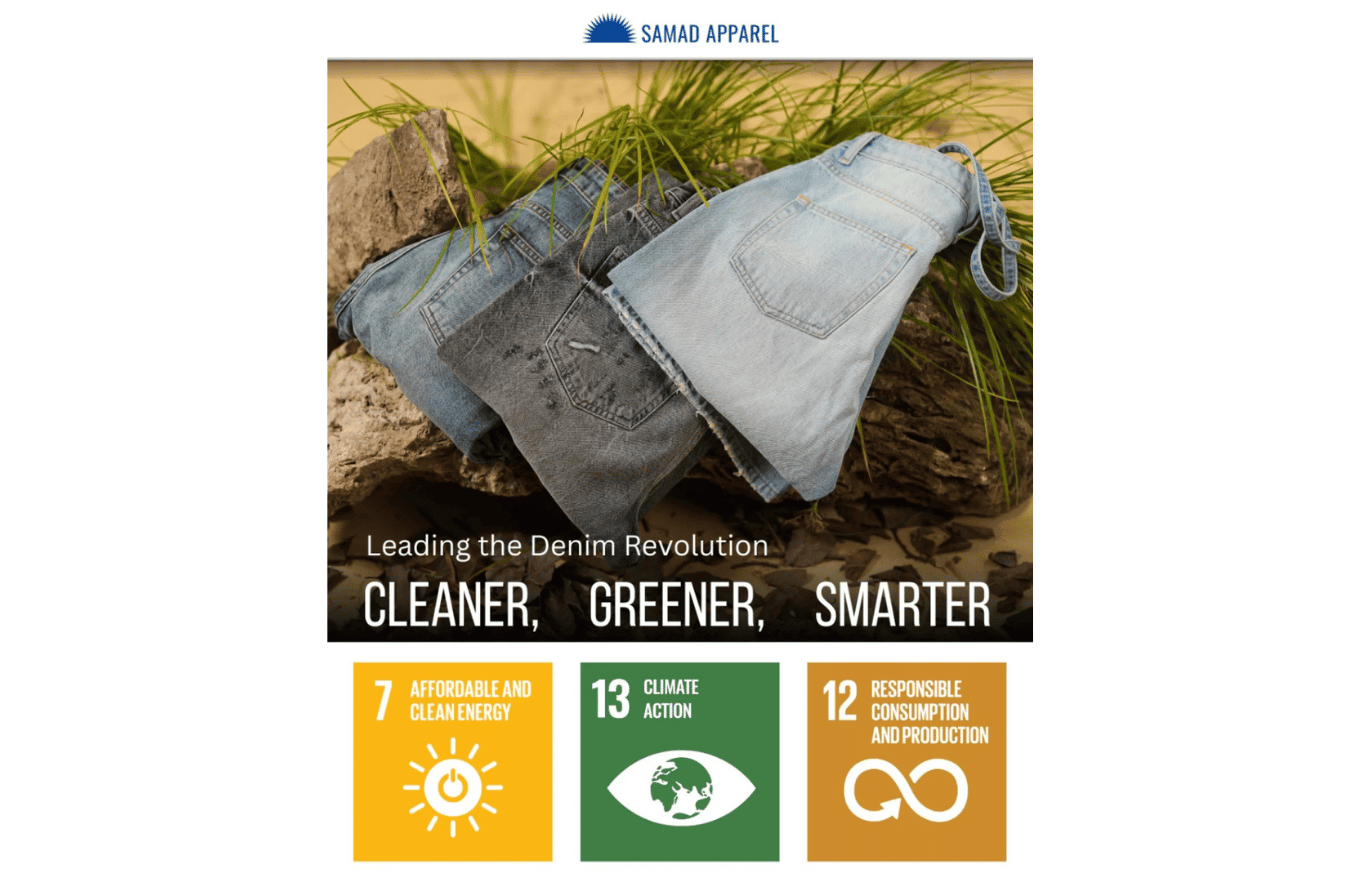
Sustainability has become another important comparison point. Brands evaluating suppliers should examine material options, waste reduction, resource efficiency, production processes, and transparency rather than relying solely on sustainability claims.
A manufacturer offering Sustainable Apparel capabilities may help businesses align product development with changing customer and buyer expectations. However, brands should still ask how those practices are implemented and what documentation or production information can be provided.
Furthermore, responsible manufacturing should be evaluated alongside commercial practicality. Material availability, minimum quantities, durability, and production costs all influence whether a sustainability strategy works at scale.
Manufacturing relationships involve constant decisions, especially during product development. Communication quality can affect approvals, revisions, sampling, production schedules, and final specifications.
Brands should compare how quickly suppliers respond, how clearly technical information is communicated, and whether development teams can identify production issues before bulk manufacturing begins.
Samad Apparel can provide brands with a manufacturing relationship that considers product development, production requirements, quality expectations, and commercial objectives together.
Pakistan should not be benchmarked against another manufacturing destination using one universal scorecard. Every market has different strengths shaped by its textile infrastructure, labor environment, material availability, logistics, specialization, and export networks.
Instead, brands should identify which factors matter most for their particular product. A denim label may prioritize fabric expertise and finishing capabilities, while a performance-wear company may place greater emphasis on technical construction and specialized materials.
Samad Apparel recognizes that sourcing decisions depend on the product, volume, timeline, and brand requirements rather than a one-size-fits-all formula.
The most useful comparison combines measurable information with product-specific testing. Brands can assess landed cost, sample quality, production capacity, lead time, material availability, sustainability practices, communication, and scalability using the same requirements for every supplier.
This creates a more balanced picture and prevents one attractive figure from dominating the decision.
Most importantly, benchmarking should continue after the first order. Actual delivery performance, defect rates, communication, and production consistency provide valuable evidence that initial quotations cannot show.
Comparing manufacturing destinations requires more than placing competing quotations side by side. Cost, quality, capacity, lead times, sustainability, communication, logistics, and scalability all contribute to the real sourcing equation. When brands evaluate Apparel Manufacturers in Pakistan using consistent product requirements and total-cost considerations, they can build a clearer picture of how each option fits their business model. The strongest benchmarking process is evidence-based and product-specific, allowing businesses to assess both immediate requirements and future growth. Samad Apparel can support brands seeking a structured approach to apparel manufacturing and long-term sourcing planning.
Ready to benchmark your sourcing options? Contact Samad Apparel to compare production capabilities, costs, quality, lead times, and sustainable apparel solutions for your brand.
Brands should compare equivalent product specifications while reviewing landed cost, sample quality, production capacity, lead times, material availability, quality control, communication, logistics, and scalability.
The most useful method is to compare total landed costs rather than factory prices alone, including materials, production, freight, duties, quality control, packaging, and potential rework.
Brands can assess sustainable apparel capabilities through material choices, waste reduction, resource efficiency, production processes, transparency, certifications where relevant, and the manufacturer's ability to apply these practices at scale.


