

Is Your Apparel Manufacturer in Pakistan Meeting Quality Standards?
Choosing the right clothing supplier can make or break a fashion brand’s reputation. A garment may look impressive in a product photo, but poor stitching, inconsistent sizing, weak fabric, or unreliable finishing can quickly turn customer satisfaction into costly returns. That is why quality should be evaluated before a bulk order reaches production.
An Apparel Manufacturer in Pakistan can offer strong textile expertise, competitive production capabilities, and access to an established supply chain, but not every supplier operates at the same quality level. For brands sourcing internationally, checking manufacturing standards is essential for protecting product consistency and long-term business relationships. In this blog, we are going to examine the key areas that reveal whether your supplier is genuinely meeting the quality expectations your brand requires.
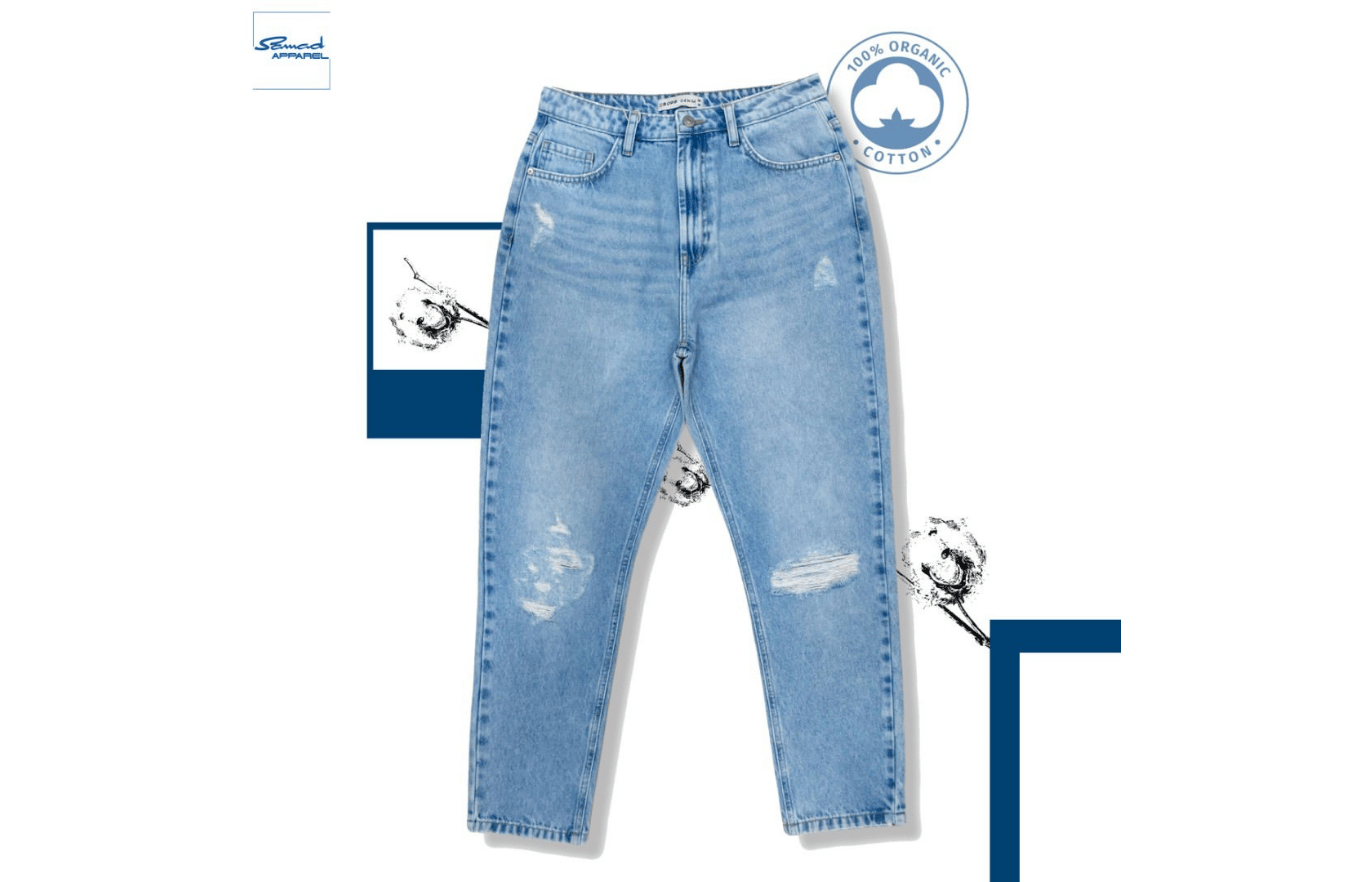
Quality begins long before a garment reaches the sewing floor. The fabric, trims, thread, buttons, zippers, labels, and other components directly influence the finished product.
A reliable supplier should be able to explain where materials come from and how they are assessed before production begins. Fabric weight, composition, color consistency, shrinkage, and durability should be checked according to the specifications agreed with the buyer.
For brands sourcing Woven Garments in Pakistan, raw material control becomes particularly important because woven fabrics can behave differently during cutting, stitching, washing, and finishing. A professional supplier should maintain clear material specifications and inspection procedures.
A strong sample is encouraging, but it does not guarantee that an entire production run will match it. This is where quality control becomes critical.
Manufacturers should have inspection procedures throughout production rather than checking garments only at the final stage. In-process inspections can identify stitching problems, incorrect measurements, fabric defects, or construction issues before hundreds or thousands of pieces are completed.
Important checkpoints may include:
● Fabric inspection before cutting
● Measurement verification
● Stitching and seam inspection
● Color and shade comparison
● Finishing inspection
● Final garment checking
Samad Apparel emphasizes production consistency because international buyers need every shipment to reflect the approved specifications, not just the initial sample.
Visual inspection is important, but some quality characteristics require proper testing. Depending on the product, brands may need to evaluate colorfastness, shrinkage, fabric strength, seam performance, dimensional stability, and other technical characteristics.
Testing helps manufacturers identify potential problems before products reach consumers. It also provides buyers with measurable information rather than relying solely on visual judgment.
A dependable Apparel Manufacturer in Pakistan should understand which tests are appropriate for the product category and target market. This is particularly important when garments are being supplied to retailers with strict technical specifications.

Sizing inconsistencies are among the easiest ways to create customer dissatisfaction. A difference of just a few centimeters in key areas can affect how a garment fits and performs.
Professional manufacturers should work from approved measurement charts and maintain accurate specifications throughout cutting and sewing. Critical measurements should be checked during production rather than assumed to remain consistent.
Brands should also confirm tolerances before production begins. Clear tolerance requirements give both the buyer and supplier an objective reference for evaluating finished garments.
For Woven Garments in Pakistan, accurate cutting and controlled construction are especially important because structured woven fabrics often require greater dimensional precision.
A garment can meet fabric and construction requirements yet still fail to create a premium impression if finishing is neglected. Loose threads, uneven pressing, poor folding, incorrect labels, or damaged packaging can reduce perceived product value.
Final inspection should therefore cover the complete presentation of the garment. Labels should be correctly positioned, threads should be trimmed, garments should be properly pressed, and packaging should follow the buyer’s instructions.
Moreover, packaging requirements should be documented before production. This prevents avoidable mistakes when goods are prepared for shipment.
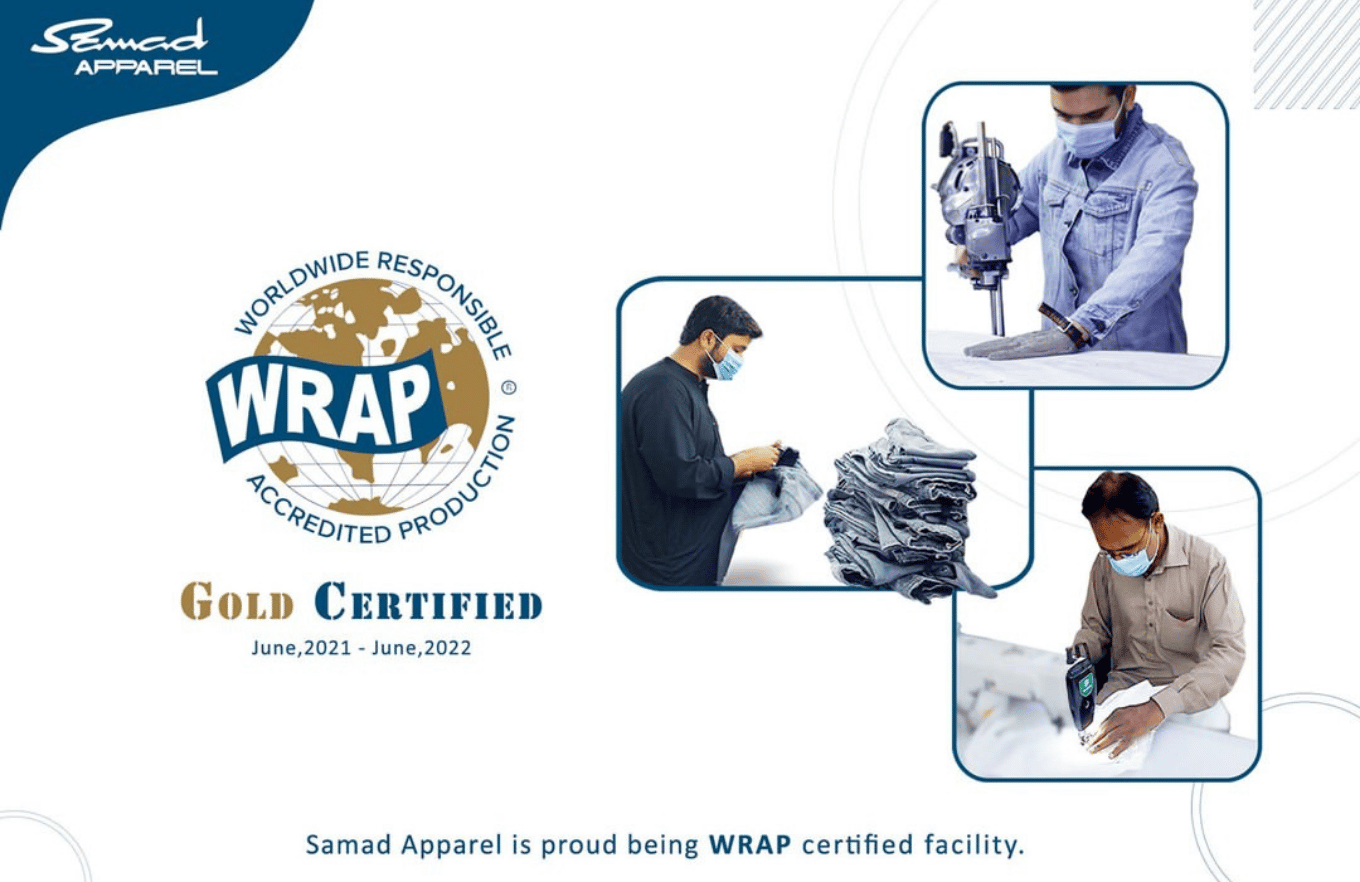
International brands increasingly expect suppliers to demonstrate responsible manufacturing practices. Depending on the destination market and product category, buyers may require documentation related to materials, production processes, testing, social compliance, or environmental practices.
A quality-focused supplier should be willing to explain its procedures and provide relevant documentation when requested.
This is where Samad Apparel can provide value to brands seeking a manufacturing partner that understands the importance of quality, consistency, and professional production requirements.
Quality management is not about pretending that problems never happen. Even experienced manufacturers can encounter production issues. What separates a dependable supplier is how quickly and professionally those issues are identified and corrected.
Ask how the manufacturer handles defects, rejected materials, production deviations, and customer complaints. A structured corrective-action process can prevent the same issue from appearing in future orders.
Communication should also remain clear throughout production. Brands should receive timely updates regarding sampling, approvals, manufacturing progress, inspections, and shipment preparation.
Choosing a supplier based solely on price can create hidden costs. Rejected shipments, product returns, delayed launches, inconsistent sizing, and customer complaints can quickly outweigh an initially attractive quotation.
A reliable Apparel Manufacturer in Pakistan should therefore be evaluated through a combination of product quality, production capability, communication, testing, compliance, and consistency.
The same principle applies when selecting suppliers for Woven Garments in Pakistan. A manufacturer should be capable of delivering the agreed specifications repeatedly, not simply producing an impressive first sample.
Quality standards should never be treated as a final inspection checklist. They should be integrated into every stage of apparel production, from material selection and cutting to stitching, testing, finishing, packaging, and shipment.
For international brands, the right manufacturing partner can turn quality control into a competitive advantage. By asking the right questions, reviewing production processes, and verifying standards before placing bulk orders, buyers can reduce risks and build stronger supply relationships.
Samad Apparel offers brands a quality-focused approach to apparel manufacturing, helping turn product specifications into consistent, market-ready garments.
Partner with Samad Apparel for reliable apparel manufacturing, consistent quality control, and professional production support for global fashion brands.
Request samples, production specifications, quality procedures, testing information, factory capabilities, and relevant compliance documentation before approving a large production order.
Important checks include fabric inspection, measurement accuracy, stitching quality, color consistency, shrinkage, seam performance, finishing, labeling, and final garment inspection.
Review previous production samples, ask about in-process inspections, establish measurable tolerances, request quality reports, and confirm how the supplier handles defects and corrective actions.


