

Materials and Methods Used in Sustainable Apparel Manufacturing in Pakistan
The shift toward sustainable apparel is transforming how the textile industry operates, especially in regions like Pakistan, where manufacturing plays a major economic role. An apparel manufacturer in Pakistan today is no longer focused solely on volume and cost efficiency but also on responsible sourcing and eco-conscious production methods. Buyers are increasingly demanding transparency in materials, reduced environmental impact, and ethical labor practices.
Companies such as Samad Apparel are adapting to these expectations by integrating sustainability into their core processes. From fabric selection to finishing techniques, every stage of production is being refined to minimize waste and conserve resources. Understanding the materials and methods behind sustainable apparel manufacturing helps brands make informed sourcing decisions while aligning with global environmental standards and long-term business goals.
Sustainable apparel manufacturing focuses on reducing environmental impact while maintaining product quality and efficiency. In Pakistan, the textile sector has evolved significantly, with many manufacturers adopting eco-friendly technologies and materials. An apparel manufacturer in Pakistan working in the sustainable segment prioritizes water conservation, energy efficiency, and responsible sourcing. Samad Apparel is one example of a manufacturer integrating such practices into its operations. The goal is not just production but responsible production that aligns with global sustainability expectations.
Global markets are increasingly shifting toward sustainable apparel, driven by consumer awareness and regulatory requirements. Brands now prefer suppliers who can demonstrate environmentally responsible practices. This has encouraged an apparel manufacturer in Pakistan to adopt cleaner production methods and sustainable materials. Samad Apparel has aligned with this trend by incorporating eco-conscious strategies across its supply chain.

Material selection is the foundation of sustainable apparel production. An apparel manufacturer in Pakistan focused on sustainability, carefully chooses fabrics that minimize environmental harm while maintaining durability and comfort. These materials reduce resource consumption and support long-term ecological balance.
Organic cotton is widely used in sustainable apparel due to its reduced environmental footprint. It is grown without synthetic pesticides or fertilizers, making it safer for both the environment and workers. Many manufacturers, including Samad Apparel, incorporate organic cotton into their production lines to meet international sustainability standards.
Recycled polyester and blended fabrics are becoming increasingly popular. These materials are derived from post-consumer waste such as plastic bottles or discarded garments. An apparel manufacturer uses these fabrics to reduce landfill waste and promote circular production models. Samad Apparel integrates recycled materials into selected product lines to support eco-friendly manufacturing.
Traditional dyeing processes consume large amounts of water and chemicals. Sustainable alternatives are now being adopted by a modern apparel manufacturer to reduce environmental impact. These methods ensure vibrant colors while minimizing pollution.
Low-impact dyes and natural dyes are commonly used in sustainable apparel production. These dyes require less water and produce fewer harmful byproducts. Samad Apparel applies controlled dyeing techniques that comply with environmental guidelines, ensuring safe and efficient color processing.
Denim and garment washing are essential processes in apparel manufacturing. Sustainable methods such as enzyme washing and ozone washing reduce water usage significantly. An apparel manufacturer implementing these techniques can lower its environmental footprint while maintaining product quality. Samad Apparel utilizes advanced washing systems designed to conserve water and reduce chemical usage.
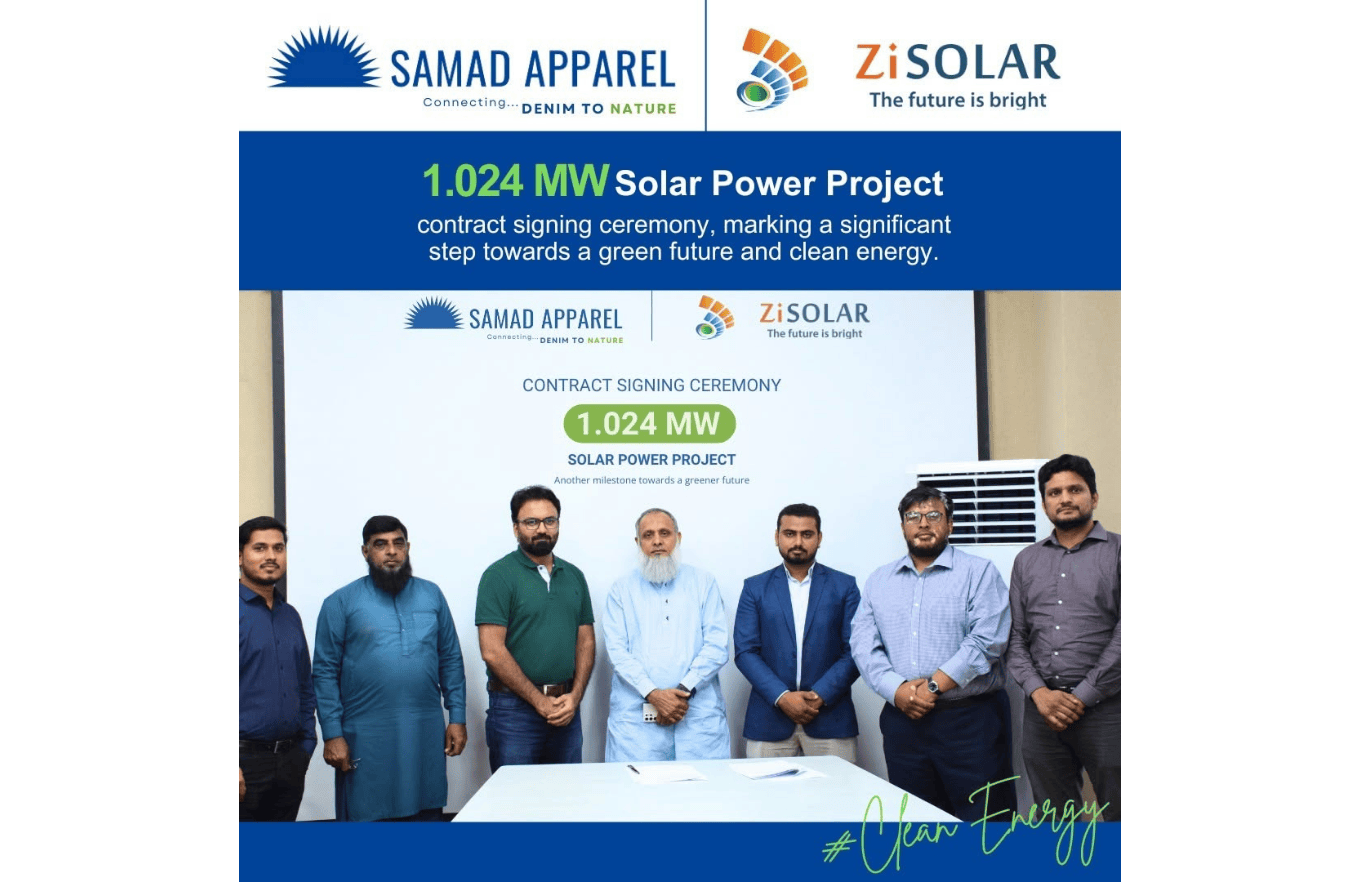
Energy consumption is another critical factor in sustainable manufacturing. Modern factories aim to reduce reliance on non-renewable energy sources. The manufacturer focuses on sustainability and invests in energy-efficient machinery and optimized production layouts. Samad Apparel incorporates energy-saving technologies to reduce overall consumption during production cycles.
Solar energy is increasingly being adopted in textile manufacturing facilities. By integrating renewable energy, manufacturers reduce carbon emissions and operational costs. Samad Apparel has explored sustainable energy solutions as part of its commitment to environmentally responsible production practices.
Effective waste management is essential in sustainable apparel manufacturing. Fabric scraps, chemical residues, and packaging materials must be handled responsibly.
Samad Apparel implements structured waste management systems that prioritize recycling and resource optimization.
Pattern optimization and efficient cutting techniques help reduce fabric waste during production. Advanced software tools assist in maximizing fabric utilization. Samad Apparel uses these techniques to ensure minimal waste generation while maintaining precision in garment production.
Sustainability extends beyond production to the entire supply chain. An apparel manufacturer in Pakistan committed to sustainability ensures ethical sourcing of raw materials and responsible logistics. Samad Apparel collaborates with suppliers who adhere to environmental and social standards, creating a transparent and responsible supply chain.
Sustainable manufacturing also involves fair labor practices. Workers must be treated ethically, with safe working conditions and fair wages. Well, a manufacturer that follows sustainability principles ensures compliance with international labor standards. Samad Apparel maintains ethical workplace policies as part of its operational framework.
Technology plays a key role in improving efficiency and reducing environmental impact. Automation, digital sampling, and smart production systems help an apparel manufacturer in Pakistan streamline operations. Samad Apparel uses modern tools to enhance precision, reduce errors, and support sustainable manufacturing goals.
Digital sampling reduces the need for physical prototypes, saving materials and time. This method supports sustainable apparel development by minimizing waste during the design phase. Samad Apparel incorporates digital processes to improve efficiency and reduce environmental impact.
Contact Samad Apparel today to explore sustainable apparel manufacturing solutions tailored to your brand’s quality and environmental goals.
The adoption of sustainable materials and methods is reshaping the apparel industry in Pakistan. From organic fabrics and recycled textiles to eco-friendly dyeing processes and energy-efficient production, an apparel manufacturer in Pakistan is increasingly aligning with global sustainability standards. Companies like Samad Apparel demonstrate how innovation, responsibility, and efficiency can work together to create high-quality, sustainable apparel while minimizing environmental impact. As demand continues to grow, businesses that prioritize sustainability in their sourcing and production decisions will be better positioned for long-term success in an evolving global market.
Common materials include organic cotton, recycled polyester, and eco-friendly blended fabrics used by an apparel manufacturer in Pakistan to reduce environmental impact.
Sustainability is achieved through eco-friendly materials, water-efficient dyeing, energy-saving machinery, waste management systems, and ethical labor practices.
Sustainable apparel helps reduce environmental impact, meet regulatory standards, and align with consumer demand for ethical and eco-conscious products.


