

The B2B Guide to Contracting Large-Scale Production with Denim Manufacturers in Pakistan
Large-scale denim production sounds straightforward until fabric specifications, wash effects, sizing, quality standards, timelines, and minimum order quantities enter the conversation. For B2B buyers, choosing reliable Denim Manufacturers in Pakistan can make the difference between a smooth production cycle and a costly manufacturing headache. In this article, we are going to examine the essential steps involved in contracting large denim orders, from supplier evaluation and product development to quality control and shipment planning. As this blog explains, successful sourcing is not simply about finding competitive pricing. It is about creating a clear manufacturing framework where expectations, responsibilities, technical specifications, and delivery milestones are aligned before production begins.
Before contacting manufacturers, buyers should prepare a detailed production brief. This should explain the denim weight, fiber composition, stretch requirements, colors, garment measurements, stitching details, trims, labels, packaging, and expected order volume.
Wash requirements deserve special attention because finishing can dramatically change the appearance, hand feel, and measurements of denim. Stone washing, enzyme washing, bleaching, and other treatments can produce very different results.
A clear tech pack gives the manufacturer a practical reference throughout production. Measurements, tolerance levels, artwork, construction details, and finishing instructions should be documented rather than communicated casually.
This reduces misunderstandings and makes sample approval much easier. Samad Apparel can help B2B buyers approach production with greater clarity by connecting design specifications with practical manufacturing requirements.
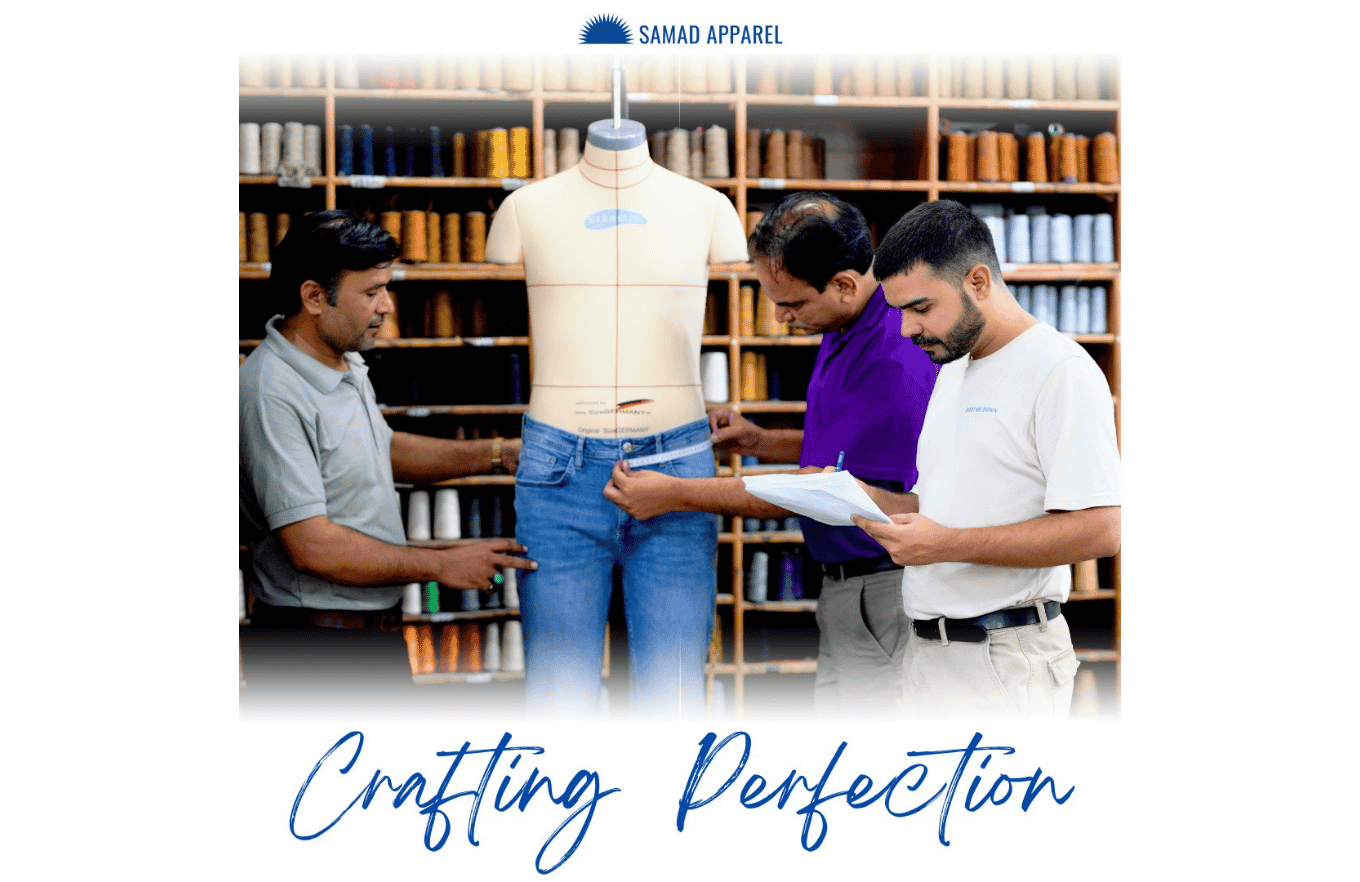
Not every factory is equipped for large-scale denim production. Buyers should examine manufacturing capacity, equipment, workforce capabilities, quality systems, fabric sourcing, washing facilities, and previous experience with comparable orders.
When evaluating Jeans Manufacturers in Pakistan, it is also useful to understand whether their capabilities match the complexity of the intended collection. A manufacturer experienced in basic five-pocket jeans may not necessarily be the right choice for highly detailed fashion denim involving multiple washes, embellishments, or specialized construction.
Furthermore, buyers should assess communication and production responsiveness. A technically capable supplier can still create problems if updates are slow or specifications are poorly understood.
Price is important, but it should never be the only consideration in a large B2B contract. Buyers should review minimum order quantities, payment schedules, sampling costs, production lead times, packaging requirements, shipping responsibilities, and procedures for handling quality issues.
A lower unit price may become expensive if defective garments, delayed shipments, or inconsistent sizing create additional costs. Most importantly, commercial terms should be documented clearly so both parties understand what has been agreed upon.
Samples are more than visual previews. They are an opportunity to test the complete product before committing to bulk manufacturing.
A professional sampling process should evaluate fit, fabric behavior, stitching, hardware, color, wash appearance, shrinkage, and overall construction. If adjustments are required, they should be finalized before bulk cutting begins.
For large orders, buyers should also approve a pre-production sample that represents the exact materials and construction intended for manufacturing. This creates a reference point for quality inspections later in the process.
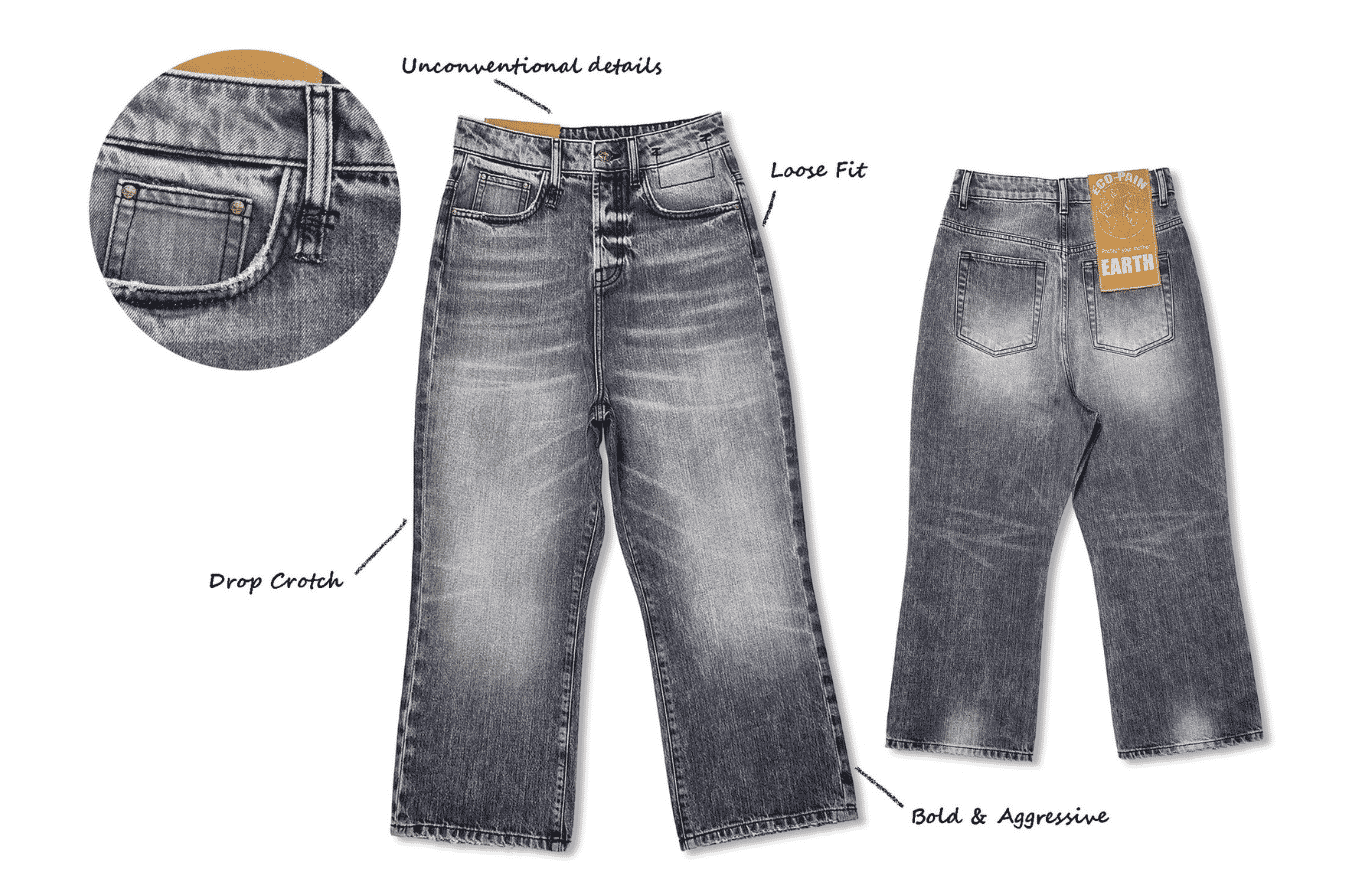
Quality should not be treated as something checked only at the end of production. It needs to be managed throughout the manufacturing cycle.
Fabric inspection can identify issues before cutting, while in-line inspections can catch stitching and construction problems during production. Final inspections can then verify measurements, appearance, labeling, packaging, and overall workmanship.
Experienced Jeans Manufacturers in Pakistan understand that consistency becomes increasingly important as order volumes increase. A small issue repeated across thousands of garments can quickly become a major commercial problem.
Large denim orders require realistic scheduling. Fabric procurement, sampling, cutting, sewing, washing, finishing, inspection, packing, and transportation all require time.
Buyers should therefore establish production milestones instead of focusing only on the final shipment date. Regular progress updates can reveal delays early enough for corrective action.
Moreover, contingency planning can help manage unexpected fabric shortages, production bottlenecks, or transportation disruptions without completely derailing the delivery schedule.
A successful first order can become the foundation for a valuable B2B partnership. When manufacturers understand a buyer's quality standards, preferred fabrics, construction methods, and communication style, future production can become more efficient.
Samad Apparel recognizes the value of consistent collaboration when brands need dependable denim manufacturing for recurring collections and larger volumes.
For buyers, the goal should be more than completing one purchase order. Strong partnerships can improve communication, product consistency, production planning, and scalability over time.
Contracting large-scale denim production requires preparation, technical clarity, careful supplier evaluation, and continuous quality management. Working with capable Denim Manufacturers in Pakistan can give B2B buyers access to established manufacturing expertise while supporting competitive and scalable production. From the first tech pack to final shipment, every stage matters. A structured sourcing strategy helps reduce avoidable risks and creates a stronger foundation for long-term denim business growth.
Ready to scale your denim collection with confidence? Contact Samad Apparel today for reliable production expertise, consistent quality, flexible sourcing, and professional B2B manufacturing support.
Buyers should evaluate production capacity, denim expertise, quality systems, material sourcing, washing capabilities, lead times, communication, and experience with similar order volumes.
They should approve detailed specifications and pre-production samples while using fabric, in-line, and final inspections to maintain consistent quality throughout bulk production.
Experienced manufacturers can provide scalable production, denim-specific expertise, quality control, customization, and coordinated processes for high-volume commercial orders.


