

The Environmental Impact of Sustainable Apparel You Need to Know
Fashion is no longer just about trends, colors, or seasonal collections. Today, consumers are paying close attention to how their clothes are made and the impact they have on the planet. Rising concerns about pollution, waste, and resource depletion are pushing brands to rethink their manufacturing strategies and adopt more responsible practices.
This shift has brought Sustainable Apparel into the spotlight as a practical solution to many environmental challenges associated with conventional fashion. From reducing carbon emissions to minimizing water consumption, sustainable practices are transforming the industry in meaningful ways. In this article, we will explore the environmental impact of sustainable fashion, the innovations driving this change, and why businesses are increasingly embracing responsible manufacturing.
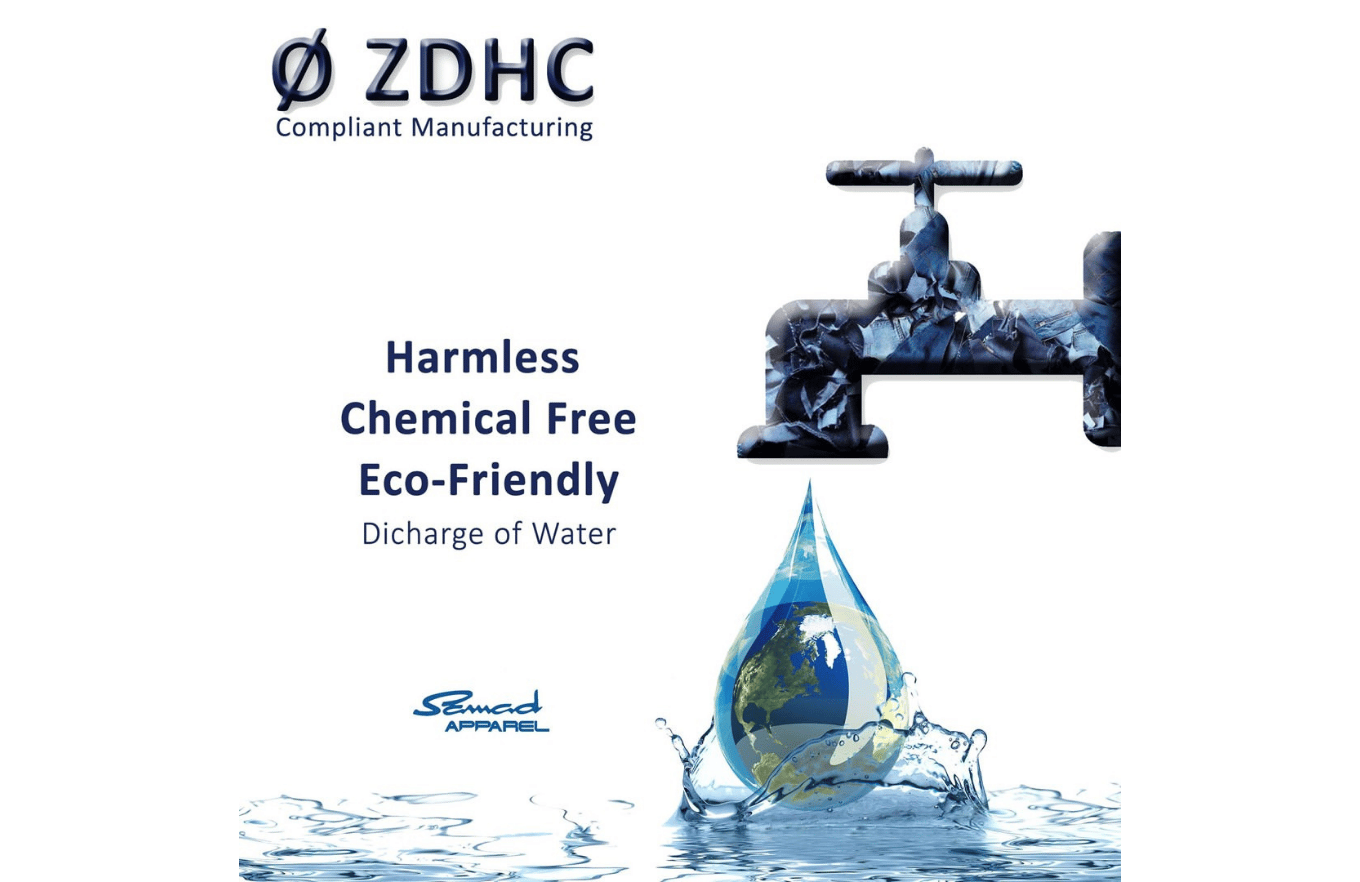
The fashion industry has long been associated with intensive resource consumption. Conventional manufacturing methods often rely on large amounts of water, energy, and chemicals, creating a significant environmental burden.
Several factors contribute to this issue:
● Excessive water use during dyeing and finishing processes
● High greenhouse gas emissions from factories and transportation
● Massive textile waste ends up in landfills
● Use of harmful chemicals that contaminate water sources
● Dependence on non-renewable resources
As consumer awareness grows, brands are realizing that sustainability is not just an ethical choice but a business necessity.
One of the most significant benefits of sustainable manufacturing is reduced water usage. Innovative dyeing technologies and water recycling systems help conserve this precious resource.
Factories that prioritize sustainability invest in processes that:
● Recycle wastewater
● Use low-water dyeing techniques
● Reduce freshwater dependency
● Monitor water consumption throughout production
These measures not only protect the environment but also improve operational efficiency.
Manufacturers are increasingly adopting renewable energy sources and energy-efficient machinery.
By integrating solar energy, optimized logistics, and energy-saving equipment, companies can significantly lower their carbon footprint. This transition creates a more resilient and environmentally responsible supply chain.
The choice of materials plays a crucial role in reducing environmental impact.
Common eco-friendly materials include:
● Organic cotton
● Recycled polyester
● Hemp fibers
● Tencel and Lyocell
● Recycled denim fabrics
These materials require fewer natural resources and produce less waste during manufacturing.
Moreover, consumers are becoming more educated about fabric origins and increasingly prefer garments made from environmentally responsible materials.
Sustainable products are designed to last longer, reducing the need for frequent replacement.
Brands are focusing on:
● Durable construction
● Timeless designs
● Repairable garments
● Recyclable materials
Long-lasting products help reduce textile waste and encourage responsible consumption.
The concept of circular fashion encourages materials to remain in use for as long as possible.
Many manufacturers are now:
● Recycling fabric scraps
● Repurposing production waste
● Using recycled fibers in new collections
● Creating take-back programs for used garments
This approach reduces landfill waste and supports a more sustainable fashion ecosystem.
Today's consumers expect transparency and accountability from fashion brands.
Research consistently shows that buyers are willing to support companies that:
● Use environmentally responsible materials
● Maintain ethical labor practices
● Reduce waste and emissions
● Provide supply chain transparency
As a result, sustainability is becoming a competitive advantage rather than simply a marketing message.
This trend has encouraged companies like Samad Apparel to continuously invest in environmentally conscious manufacturing systems and modern production technologies.
Technology is helping manufacturers achieve sustainability goals more efficiently than ever before.
Innovations include:
● AI-powered production planning
● Digital fabric printing
● Automated cutting systems
● Waterless dyeing technologies
● Real-time energy monitoring
These technologies improve precision, reduce waste, and optimize resource usage throughout production.
Furthermore, digital transformation allows manufacturers to track environmental performance and make data-driven improvements.
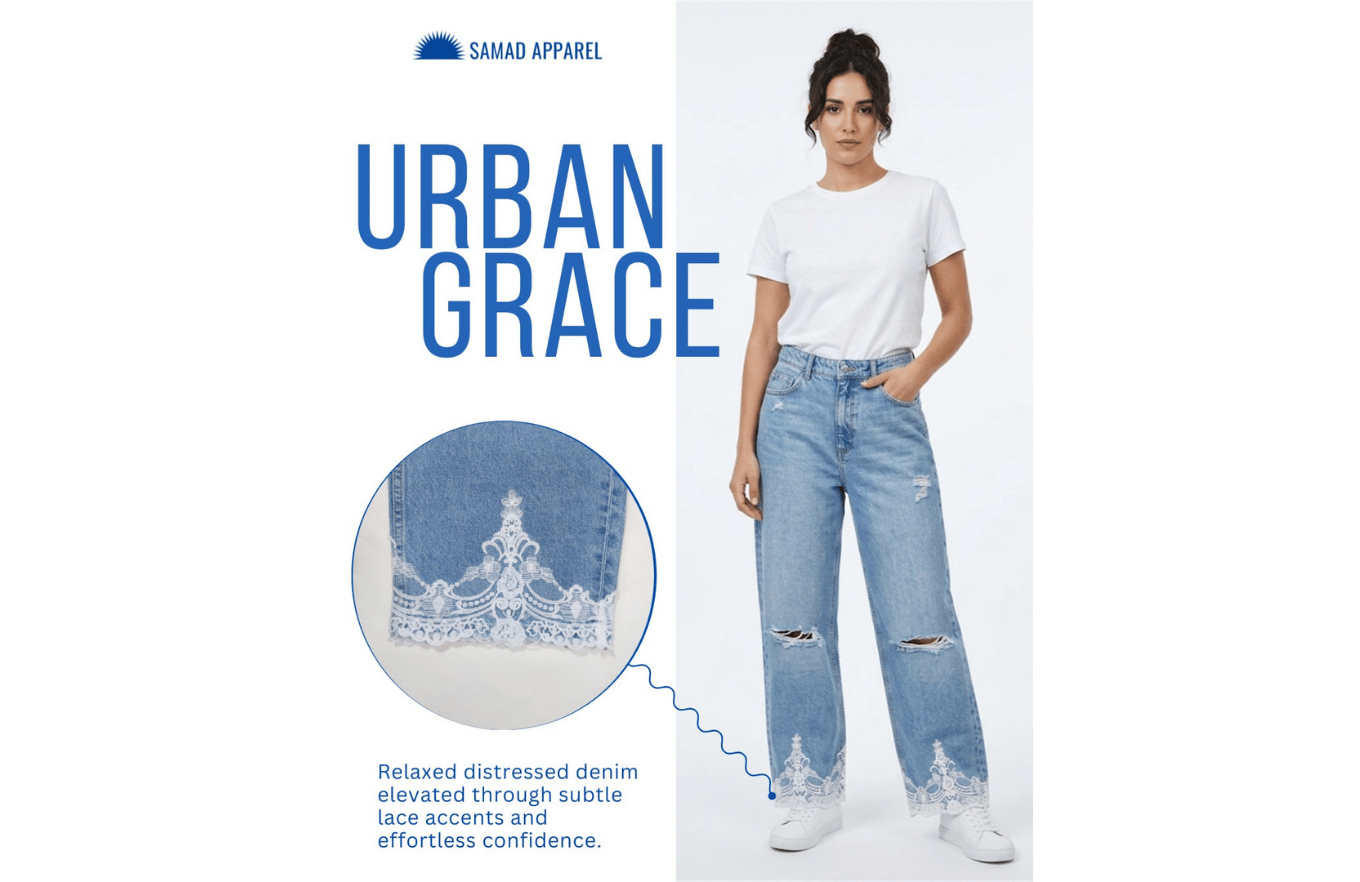
Brands are increasingly looking for suppliers who align with their environmental goals.
An experienced Apparel Manufacturer in Pakistan can provide:
● Environmentally responsible production methods
● Certified manufacturing facilities
● Efficient resource management
● High-quality output with reduced waste
Working with responsible manufacturers enables brands to strengthen their reputation while meeting consumer expectations.
Companies such as Samad Apparel are adapting to these changing market demands by integrating sustainability into various stages of production and supply chain management.
Despite progress, sustainable manufacturing faces several obstacles.
Some of the major challenges include:
● Higher initial investment costs
● Limited availability of certain eco-friendly materials
● Complex certification requirements
● Need for workforce training
● Consumer misconceptions about pricing
Most importantly, overcoming these barriers requires collaboration between manufacturers, brands, governments, and consumers.
The good news is that innovation continues to create new opportunities for sustainable growth across the apparel industry.
The future of fashion is increasingly connected to environmental responsibility.
Industry leaders are investing in:
● Renewable energy systems
● Closed-loop manufacturing
● Biodegradable textiles
● Carbon-neutral operations
● Advanced recycling technologies
As sustainability becomes a global priority, manufacturers that embrace innovation will be better positioned for long-term success.
Businesses working with a reliable Apparel Manufacturer in Pakistan can benefit from evolving technologies and environmentally responsible production practices that support both profitability and sustainability.
The environmental impact of fashion can no longer be ignored. Sustainable manufacturing offers practical solutions that reduce waste, conserve resources, and lower emissions while meeting changing consumer expectations. As technology advances and awareness grows, responsible production will continue shaping the future of the industry. Companies such as Samad Apparel are contributing to this transformation by embracing modern manufacturing practices that prioritize both quality and environmental stewardship.
Partner with Samad Apparel today to create high-quality apparel through responsible manufacturing practices that support your brand goals and long-term sustainability vision.
Sustainable production reduces water consumption, lowers carbon emissions, minimizes waste, and promotes the use of environmentally friendly materials.
An Apparel Manufacturer in Pakistan offers competitive production capabilities, skilled labor, and increasingly sustainable manufacturing solutions for global brands.
Organic cotton, recycled polyester, hemp, Tencel, recycled denim, and biodegradable fibers are among the most widely used sustainable materials today.


