

The Environmental Savings of Choosing Sustainable Apparel
The global fashion industry is undergoing a major shift where environmental responsibility is no longer optional but necessary. Among the most important changes is the rise of Sustainable Apparel, which focuses on reducing environmental harm through smarter production, better material choices, and efficient resource use.
Traditional garment manufacturing has long been associated with high water consumption, chemical usage, and waste generation. In contrast, modern production systems are being redesigned to reduce these impacts while still meeting global demand for quality clothing.
In countries like Pakistan, this transition is becoming increasingly visible as production systems evolve. The role of an Apparel Manufacturer in Pakistan is also changing, with greater emphasis on cleaner processes, efficient resource management, and compliance with global sustainability standards.
In this blog, we are going to explore how sustainable apparel contributes to environmental savings, what methods are being used in production today, and why it is becoming an essential part of global sourcing decisions.
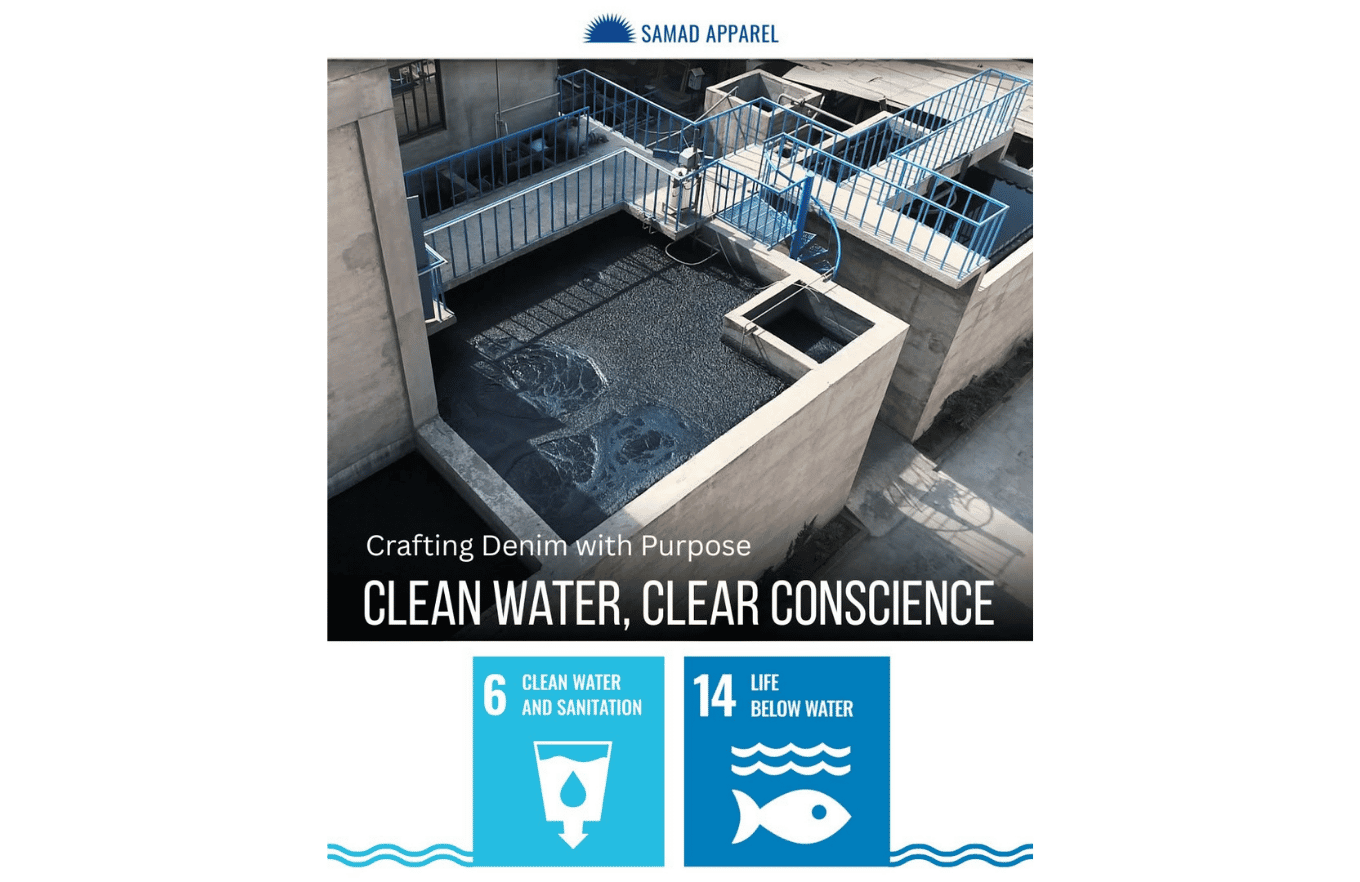
Water is one of the most heavily used resources in textile manufacturing. Sustainable systems aim to significantly reduce this dependency.
Modern production focuses on:
● Low-liquor dyeing systems
● Water recycling in washing units
● Controlled rinsing processes
These improvements help reduce water waste while maintaining fabric consistency. Moreover, they ensure long-term conservation of freshwater resources in textile-producing regions.
Chemical runoff from traditional textile processing can harm both ecosystems and human health. Sustainable methods aim to control and minimize this impact.
Manufacturers are increasingly shifting toward:
● Eco-certified dyes
● Non-toxic finishing agents
● Reduced chemical concentration systems
This shift improves environmental safety while also meeting stricter international compliance requirements. In many production setups, including those aligned with Apparel Manufacturer in Pakistan standards, chemical management has become a key operational focus.
Energy consumption plays a major role in environmental impact. Sustainable systems aim to reduce unnecessary energy usage across production stages.
Key improvements include:
● Energy-efficient machinery
● Balanced production scheduling
● Reduced idle machine time
These changes lead to lower emissions and better resource efficiency. Most importantly, they support long-term cost and energy sustainability across the supply chain.
Textile waste is one of the biggest environmental challenges in fashion manufacturing. Sustainable systems focus on reducing and reusing production waste.
Modern approaches include:
● Optimized cutting layouts
● Fabric reuse in secondary processes
● Recycling production leftovers
These methods help reduce landfill waste and improve material efficiency throughout production cycles.
Material selection plays a major role in environmental impact. Sustainable production prioritizes fabrics that require fewer resources.
Common materials include:
● Organic cotton
● Recycled polyester blends
● Low-impact dyed fabrics
These materials reduce water usage, chemical dependency, and energy consumption during production. In sourcing decisions, an Apparel Manufacturer in Pakistan often works with these materials as global buyers increasingly prioritize sustainability standards.
The impact of sustainable apparel is not limited to individual production cycles. It contributes to broader environmental improvements over time.
Key benefits include:
● Lower overall carbon emissions
● Reduced strain on water systems
● Improved waste management practices
These long-term improvements show why sustainable production is becoming a global requirement rather than a choice.
Manufacturers play a central role in driving environmental improvement through their production decisions and technologies.
Production facilities associated with Apparel Manufacturer in Pakistan networks are gradually adopting cleaner systems, better resource planning, and more efficient production workflows to align with global sustainability expectations.
This shift is helping brands build more responsible supply chains without compromising quality or scalability.
Connect with Samad Apparel to explore sustainable apparel solutions that improve efficiency, reduce environmental impact, and support responsible global sourcing with modern production systems designed for long-term business growth.
Sustainable apparel is reshaping the fashion industry by reducing water usage, lowering chemical pollution, improving energy efficiency, and minimizing waste. These improvements are creating a more responsible production ecosystem globally. As manufacturers continue to adapt, sustainability is becoming a core requirement in modern apparel sourcing strategies.
It reduces water consumption, chemical pollution, and energy usage while promoting cleaner production systems.
Because global buyers now require cleaner production methods and compliance with environmental standards in sourcing.
Organic cotton, recycled polyester, and low-impact fabric blends are widely used to reduce environmental impact.


