
The Evolution of Pakistan Apparel Exporter Capabilities in Recent Years
The Pakistani apparel exporting industry has undergone a remarkable transformation over the past decade, adapting to rapid shifts in global fashion, technology, and sustainability expectations. International buyers today demand speed, transparency, and responsible production practices, pushing exporters to modernize their operations. The traditional garment manufacturing model has evolved into a sophisticated system that combines design innovation, supply chain integration, and advanced production technology.
In recent years, the rise of sustainable apparel initiatives and digital manufacturing tools has further strengthened the country’s position in global markets. Companies like Samad Apparel have embraced these changes by improving production capabilities, investing in workforce development, and aligning with international standards. As a result, Pakistan’s apparel exporters are now recognized not only for competitive pricing but also for quality, efficiency, and long-term reliability.
Pakistan’s apparel export sector began gaining global attention during the expansion of the textile trade in the late twentieth century. Initially, manufacturers focused primarily on cost competitiveness and large-scale production.
Over time, international demand encouraged manufacturers to improve quality standards and compliance systems. A Pakistan apparel exporter gradually shifted from basic garment manufacturing to more value-driven production models that include design development, product engineering, and supply chain coordination.
Companies such as Samad Apparel represent this transition, showing how the industry has moved beyond simple manufacturing toward integrated global partnerships. This evolution has laid the groundwork for stronger export growth and international recognition.
Technology has played a crucial role in the evolution of a Pakistani apparel exporter. Modern design software allows manufacturers to create digital patterns, simulate garment structures, and produce accurate samples before initiating large-scale production.
These tools significantly reduce development time and improve communication with international buyers. Faster approvals mean shorter production cycles and better responsiveness to market trends.
Samad Apparel has integrated advanced design technologies that enable efficient product development while maintaining strict quality standards.
Automation and digital production monitoring systems are reshaping manufacturing floors. These technologies help factories maintain consistent quality while improving productivity.
A Pakistan apparel exporter that adopts smart manufacturing practices can reduce waste, optimize labor utilization, and maintain precise production timelines. These efficiencies contribute to stronger export competitiveness in global markets.
Environmental responsibility has become a defining factor in the global apparel industry. As consumer awareness grows, international brands increasingly prioritize ethical sourcing and environmentally friendly manufacturing.
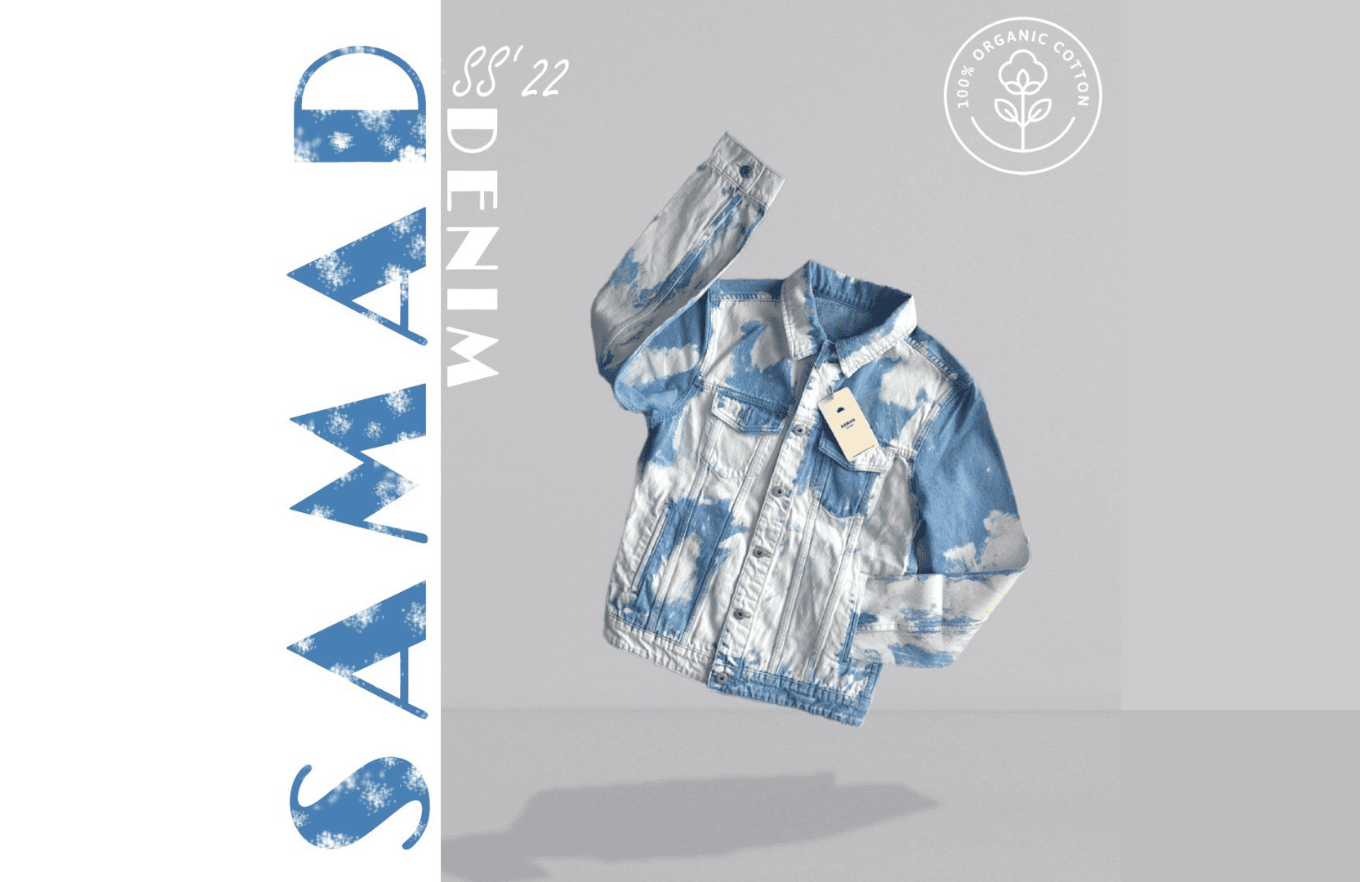
This shift has accelerated the adoption of sustainable apparel practices within Pakistan’s textile sector. Manufacturers are investing in eco-friendly materials, water-saving dyeing techniques, and renewable energy solutions.
Samad Apparel has taken proactive steps to incorporate sustainability initiatives into its operations, recognizing that responsible manufacturing strengthens long-term partnerships with global buyers.
Sustainable apparel strategies also improve operational efficiency by reducing resource consumption and waste, making sustainability both an environmental and economic advantage.
Modern export success depends on strong supply chain coordination. A Pakistan apparel exporter must manage multiple stages of production, from raw material sourcing to international logistics.
Close collaboration with fabric mills, accessory suppliers, and shipping partners allows exporters to maintain reliable delivery schedules. Digital supply chain management systems provide real-time visibility into production progress and inventory levels.
Samad Apparel has focused on building transparent supply chain networks that ensure consistent material quality and timely deliveries. This integrated approach improves operational control and strengthens buyer confidence.
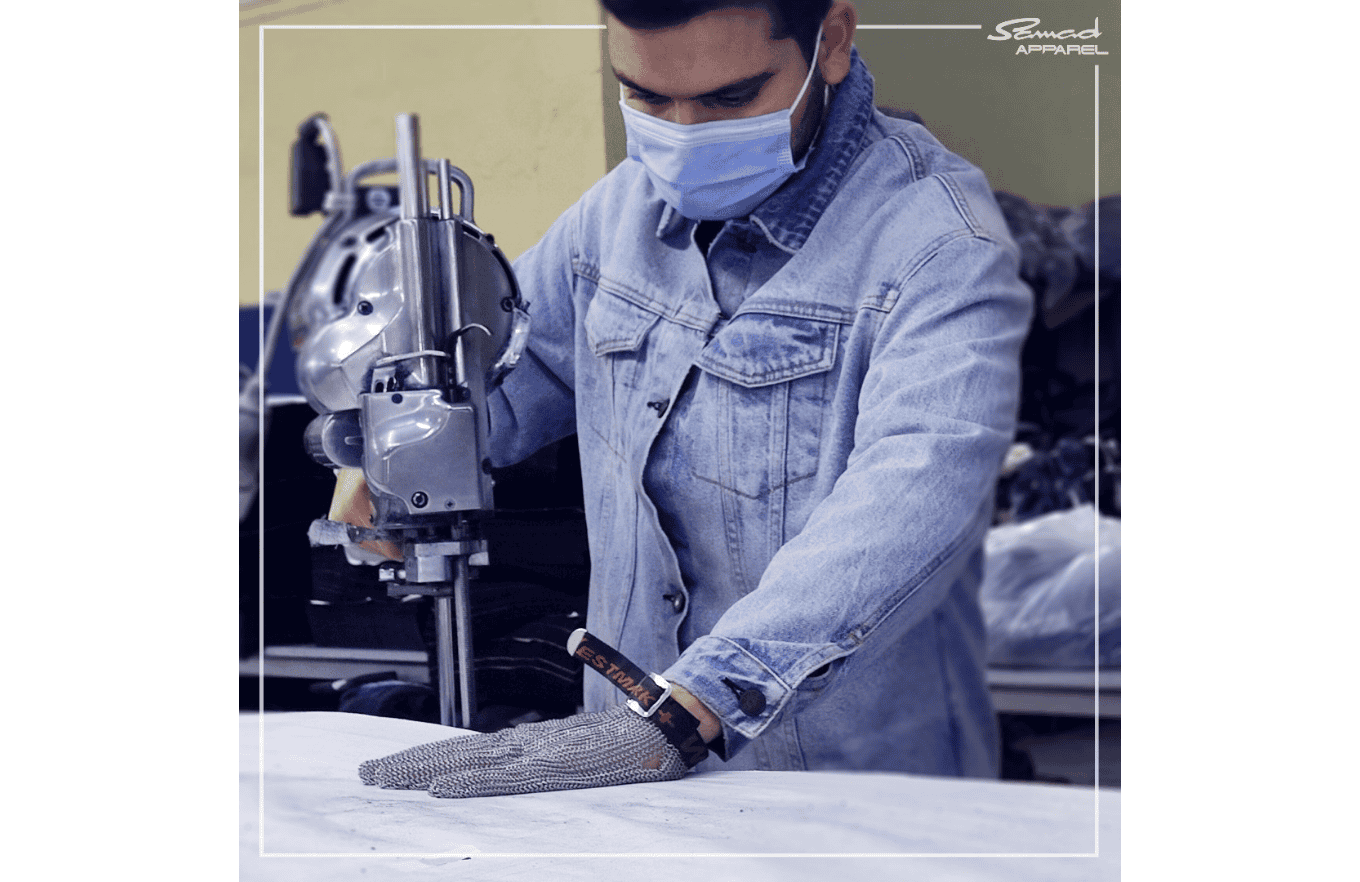
Human expertise remains a critical component of export growth. Skilled workers ensure precision in garment construction, finishing, and quality control.
Training programs have become increasingly important as manufacturing technologies evolve. Many exporters now invest in technical education and skill development to improve workforce productivity.
Samad Apparel has implemented continuous training initiatives to equip employees with modern manufacturing techniques. These efforts not only enhance operational efficiency but also create a motivated and capable workforce that supports export expansion.
Global buyers expect strict compliance with quality, safety, and ethical standards. As a result, a Pakistani apparel exporter must maintain rigorous inspection procedures throughout production.
Quality assurance systems involve multiple checkpoints that monitor fabric quality, stitching accuracy, finishing details, and packaging standards. Compliance audits also verify labor conditions, environmental practices, and workplace safety.
Samad Apparel has built strong quality management systems that align with international regulations, ensuring that exported garments consistently meet global expectations.
Export diversification has become a key strategy for Pakistan’s apparel industry. Manufacturers are expanding into new product categories, fashion segments, and regional markets.
Innovation in fabric development, garment construction, and sustainable apparel production has enabled exporters to offer higher-value products. This shift allows companies to compete in premium market segments rather than relying solely on price advantages.
A Pakistani apparel exporter that prioritizes innovation can adapt quickly to changing fashion trends and buyer demands. Samad Apparel continues to explore new product development strategies that support long-term export growth.

The evolution of a Pakistani apparel exporter is far from complete. Emerging technologies, shifting consumer preferences, and sustainability regulations will continue shaping the industry.
Manufacturers are increasingly focusing on digital transformation, automation, and environmentally responsible production systems. The integration of sustainable apparel initiatives is expected to become a central pillar of export competitiveness.
Samad Apparel represents how forward-thinking companies are preparing for the future by aligning innovation, efficiency, and responsible manufacturing practices.
Contact Samad Apparel today to explore reliable apparel export solutions tailored for global brands and markets.
The journey of a Pakistani apparel exporter reflects the resilience and adaptability of the country’s textile industry. From its early focus on basic manufacturing to its current emphasis on innovation and sustainability, the sector has evolved into a sophisticated global player. Technological advancements, workforce development, and the growing importance of sustainable apparel have significantly enhanced export capabilities. Companies like Samad Apparel illustrate how strategic investment and responsible practices can strengthen competitiveness in international markets. As global fashion continues to evolve, Pakistan’s apparel exporters are well-positioned to lead with efficiency, quality, and forward-thinking manufacturing solutions.
A Pakistan apparel exporter has evolved through technological upgrades, improved quality standards, and the adoption of sustainable apparel production practices.
Sustainable apparel improves environmental responsibility, meets global buyer expectations, and strengthens long-term export partnerships.
Samad Apparel contributes by investing in modern manufacturing technologies, skilled workforce development, and responsible production practices.


