

The Export Potential of Sustainable Apparel in Pakistan to EU and US Markets
Global fashion demand is shifting rapidly toward environmentally responsible sourcing, where sustainability is no longer a niche preference but a core requirement for international buyers. In this evolving landscape, Sustainable Apparel in Pakistan is gaining strong attention from major export destinations such as the EU and US due to improved compliance standards, production capabilities, and cost efficiency.
Pakistan’s textile sector has traditionally been a strong contributor to global apparel supply chains. Today, it is undergoing a transformation where sustainability, transparency, and efficiency are becoming key competitive factors. Many international buyers are now actively evaluating how a Pakistan Apparel Exporter can meet stricter environmental and ethical sourcing guidelines while maintaining scale and consistency.
In this blog, we are going to explore the export potential of sustainable apparel from Pakistan, the driving forces behind its growth, and how global markets are responding to this shift in sourcing strategy.
Consumer awareness in the EU and US markets has significantly increased, pushing brands to adopt responsible sourcing strategies.
Key drivers include:
● Increased environmental awareness
● Demand for transparent supply chains
● Preference for eco-certified garments
Moreover, regulatory frameworks in these regions are becoming stricter, encouraging brands to work only with compliant production partners.
This shift has opened new opportunities for Sustainable Apparel in Pakistan, especially as manufacturers align with international expectations.
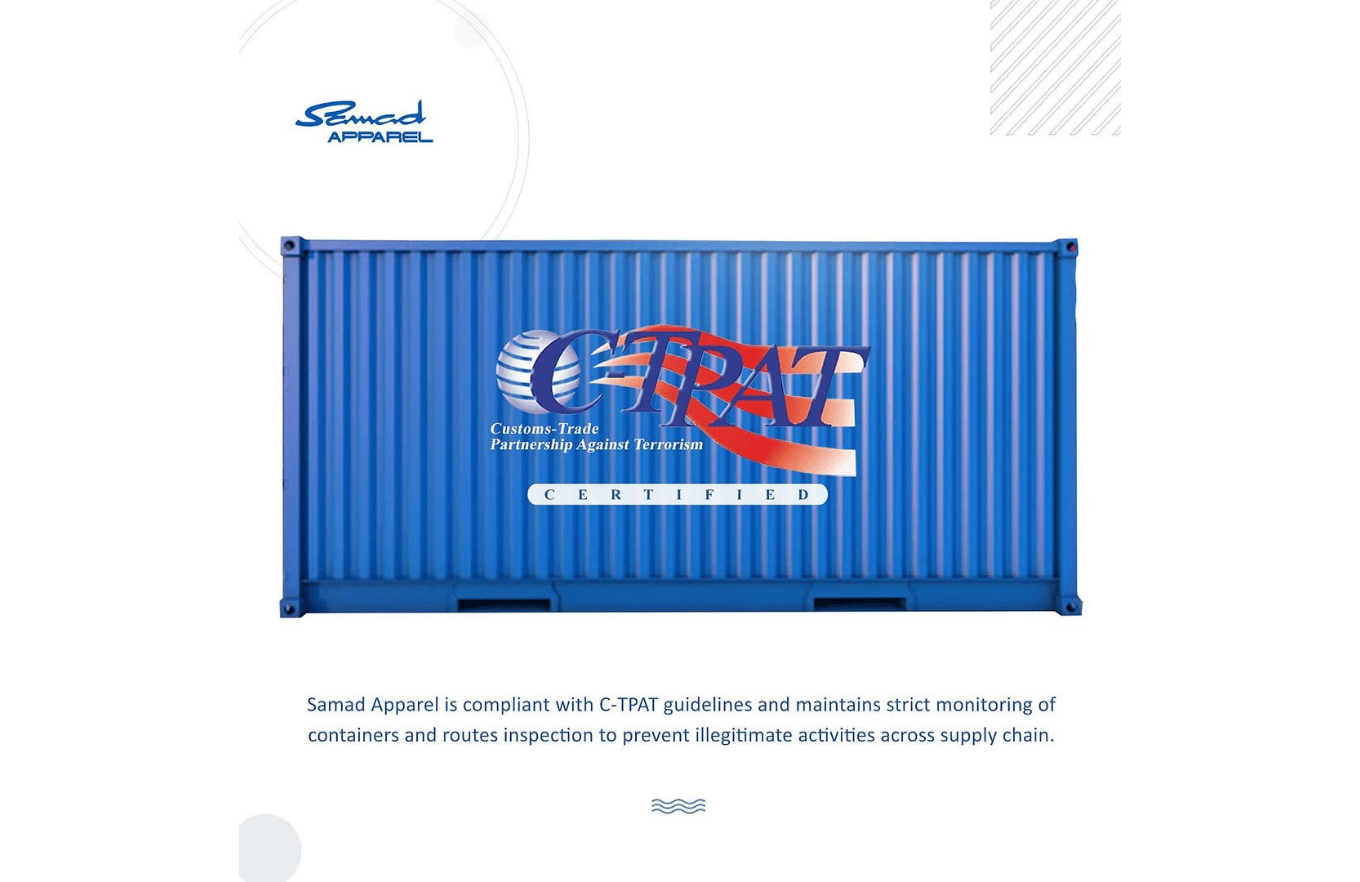
Pakistan’s textile industry has a strong foundation in cotton production, garment manufacturing, and export logistics, making it a competitive sourcing hub.
The industry benefits from:
● Integrated textile supply chains
● Skilled labor force
● Competitive production costs
Furthermore, manufacturers are increasingly investing in cleaner technologies and process improvements to meet global sustainability benchmarks.
A growing number of facilities operating under the Pakistan Apparel Exporter ecosystem are adapting to international certification requirements, which enhances their export readiness.
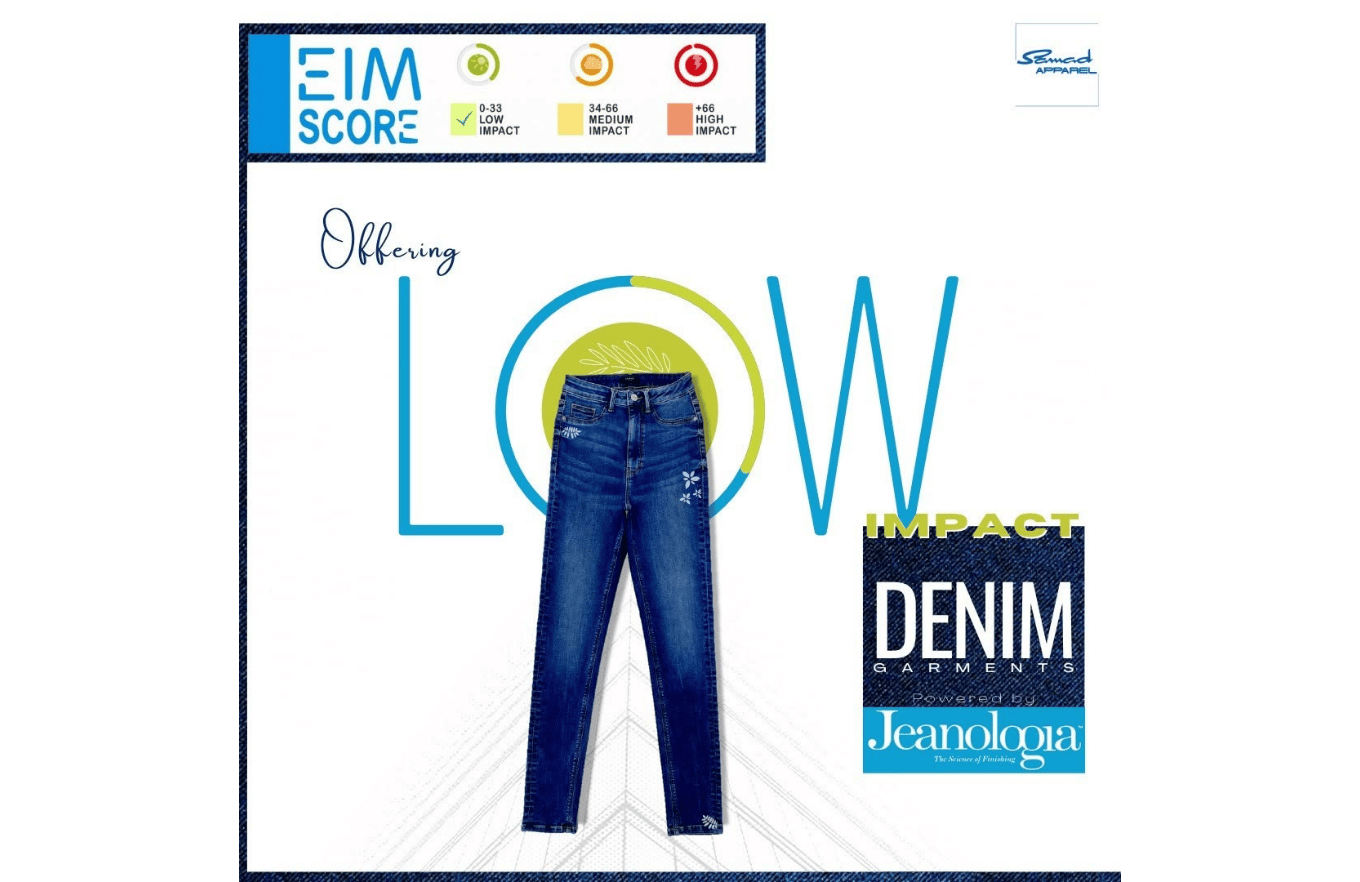
One of the most critical factors in export success is compliance with environmental and labor regulations.
Export-oriented manufacturers focus on:
● OEKO-TEX and GOTS standards
● Social compliance audits
● Chemical and wastewater control
These certifications ensure products meet strict EU and US import regulations. Most importantly, compliance builds trust with international buyers and strengthens long-term trade relationships.
Sustainable production methods are becoming essential for accessing premium export markets. These practices improve both environmental performance and operational efficiency.
Key practices include:
● Reduced water consumption in dyeing
● Energy-efficient machinery
● Waste recycling systems
These improvements help manufacturers align with global sustainability goals while maintaining production scalability.
In this evolving system, Sustainable Apparel in Pakistan is increasingly viewed as a strategic export category rather than a limited niche segment.
Price competitiveness alone is no longer enough. Buyers now prioritize sustainability, reliability, and traceability.
Pakistan offers several advantages:
● Cost-effective production without quality compromise
● Strong cotton-based textile foundation
● Flexible manufacturing capacity for bulk orders
Additionally, exporters who integrate sustainability into their operations are better positioned to secure long-term contracts in Europe and North America.
Within this context, a Pakistan Apparel Exporter that adopts responsible sourcing practices gains a clear advantage in competitive bidding and brand partnerships.
Samad Apparel, for example, continues to align production systems with international sustainability expectations to strengthen its global export positioning.
Innovation is playing a key role in enhancing export efficiency and sustainability performance.
Modern systems include:
● Digital production tracking
● Automated quality control
● Resource optimization tools
These technologies help reduce waste, improve accuracy, and ensure consistent quality across large-scale orders.
Most importantly, they allow manufacturers to respond quickly to changing global demand patterns, especially in fast-moving EU and US markets.

The future of apparel exports from Pakistan is closely tied to sustainability adoption. As global regulations tighten, only compliant and efficient suppliers will remain competitive.
The continued growth of Sustainable Apparel in Pakistan reflects a broader shift toward responsible manufacturing that supports both economic growth and environmental protection.
Exporters who invest in cleaner systems and global certifications are expected to see stronger demand and improved market access in the coming years.
Connect with Samad Apparel to explore sustainable apparel solutions, strengthen export opportunities, and build long-term partnerships with EU and US markets through responsible and efficient manufacturing practices today.
Sustainable apparel is becoming a powerful driver of export growth for Pakistan. With increasing demand from EU and US markets, manufacturers are adapting to stricter standards, improved production systems, and environmentally responsible practices. This transformation is positioning Pakistan as a competitive and reliable sourcing destination for global apparel buyers seeking long-term sustainable partnerships.
Because global buyers prioritize eco-friendly production, compliance standards, and responsible sourcing from reliable manufacturing hubs.
Strong compliance, cost efficiency, quality consistency, and adoption of sustainable production systems.
It helps meet international regulations, increases buyer trust, and opens access to premium global markets.


