

The Financial Long-Term Benefits of Manufacturing Sustainable Apparel
What if making clothing more responsibly could also make better financial sense? For fashion brands, sustainability is no longer limited to environmental commitments or customer expectations. It can influence production costs, material efficiency, inventory decisions, and long-term brand value. That is where Sustainable Apparel enters the conversation as a practical business strategy rather than simply a marketing direction. In this article, we are going to examine how responsible manufacturing can create financial advantages over time, from reducing material waste to improving operational efficiency. We will also look at why manufacturers and brands should evaluate sustainability through the lens of long-term business performance, not just the initial cost of production.
At first glance, sustainable manufacturing may appear more expensive because responsible materials, specialized processes, or improved production systems can require additional investment. However, looking only at the upfront price can hide the bigger financial picture.
Efficient production reduces unnecessary consumption of fabrics, water, energy, packaging, and other resources. When these savings accumulate across larger production volumes, the difference can become commercially meaningful.
For example, better pattern planning can help reduce unused fabric during cutting. Improved production scheduling can minimize idle machinery and unnecessary processing. These changes may seem small individually, but repeated across thousands of garments, they can significantly influence overall manufacturing expenses.
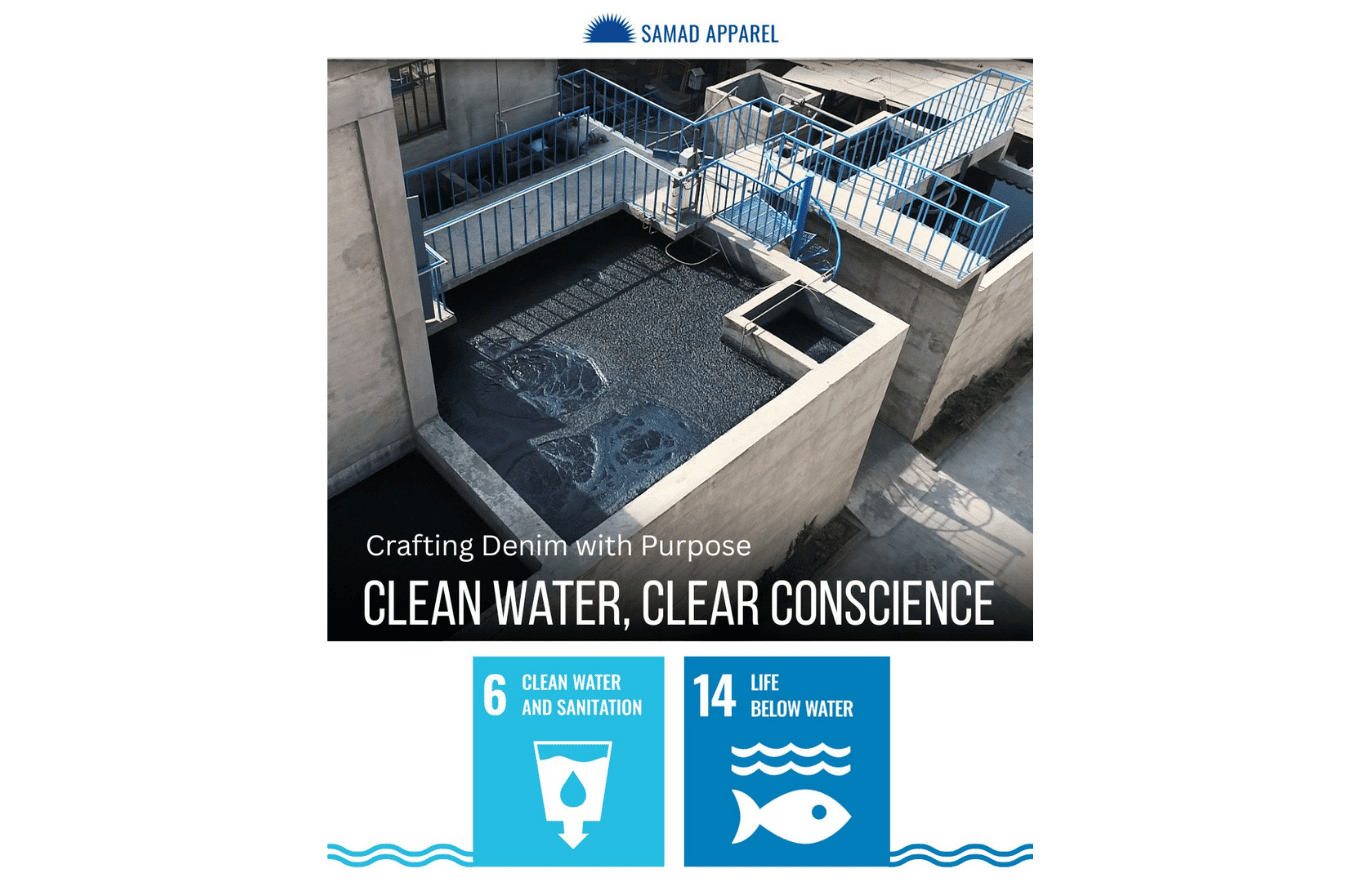
Fabric waste is one of the clearest areas where responsible manufacturing can support financial efficiency. Every piece of unused material represents resources that were purchased but never converted into a finished product.
Modern cutting techniques, optimized patterns, accurate measurements, and better production planning can improve fabric utilization. Instead of simply asking how much a roll of fabric costs, brands can consider how much usable product they actually obtain from it.
Moreover, waste reduction can improve production forecasting. When material requirements become more predictable, businesses can make purchasing decisions with greater accuracy and reduce unnecessary stock.
Sustainability and quality can work together when manufacturing processes are carefully controlled. Poor-quality garments often create additional expenses through returns, replacements, rework, customer complaints, and lost repeat business.
Durable fabrics and thoughtful construction can help brands create products that remain useful for longer. Consistent quality control can also reduce defects before products reach customers.
This is particularly important for businesses building long-term collections. Working with experienced Apparel Manufacturers in Pakistan can give brands access to established production expertise while allowing them to evaluate quality, material performance, and manufacturing requirements before committing to larger volumes.

Financial benefits do not always appear directly on a manufacturing invoice. Brand perception can also influence commercial performance.
Consumers increasingly pay attention to how products are made, what materials are used, and whether brands demonstrate responsible business practices. A well-executed sustainability strategy can give businesses meaningful differentiation in crowded markets.
Furthermore, stronger sustainability credentials may support relationships with retailers and international buyers that have their own environmental or sourcing requirements. For manufacturers, this can create opportunities to work with brands seeking more responsible production capabilities.
Samad Apparel understands that sustainable manufacturing needs to make sense beyond a single collection. When responsible practices are integrated into production planning, brands can work toward stronger value creation over the longer term.
Sustainable production becomes increasingly valuable when viewed over multiple seasons rather than one order. Investments in efficient machinery, digital production planning, improved material handling, and workforce training can produce benefits repeatedly.
Energy-efficient equipment, for instance, may require greater initial investment but can reduce operating expenses over its useful life. Similarly, better inventory systems can help businesses avoid excessive purchasing and reduce the financial burden of unused materials.
Most importantly, these improvements can make sustainability part of everyday operational efficiency rather than an additional activity sitting outside the core manufacturing process.
The financial impact of sustainable manufacturing also depends heavily on the supplier chosen. A capable manufacturing partner can help identify where materials, time, and production capacity are being unnecessarily consumed.
Brands should therefore evaluate suppliers according to more than their quoted unit price. Production capabilities, material knowledge, quality management, scalability, waste-control processes, and communication can all affect the final cost of doing business.
Experienced Apparel Manufacturers in Pakistan can play an important role here by helping brands translate sustainability goals into practical production decisions.
Fashion businesses operating on tight margins cannot afford to treat every sustainability decision as an isolated expense. The stronger approach is to examine its effect across sourcing, manufacturing, logistics, product quality, customer retention, and future growth.
When businesses reduce waste, improve resource utilization, and create durable products, they can potentially control several cost areas simultaneously. Sustainable practices can therefore become part of a broader financial strategy.
Samad Apparel approaches this shift by connecting responsible production with practical manufacturing requirements, helping brands consider sustainability alongside quality, efficiency, and commercial objectives.
The financial case for Sustainable Apparel becomes clearer when businesses look beyond immediate production prices. Efficient material usage, reduced waste, stronger quality, improved resource management, and better long-term supplier relationships can all contribute to healthier manufacturing economics. The benefits may not appear overnight, but their cumulative effect can become significant as production scales and collections evolve. For brands planning sustainable growth, the key is to treat responsible manufacturing as an investment in smarter operations rather than simply an additional expense. With thoughtful planning and the right production partner, sustainability can support both business resilience and future commercial opportunities.
Ready to build financially smarter sustainable collections? Contact Samad Apparel to discuss efficient production, responsible materials, waste reduction, and long-term manufacturing solutions for your brand.
Sustainable manufacturing can reduce costs through better fabric utilization, lower material waste, improved resource efficiency, reduced defects, and more accurate production planning across larger order volumes.
It can support profitability by controlling avoidable production expenses, improving product quality, strengthening customer value, and creating opportunities with buyers seeking responsible sourcing practices.
Brands should assess manufacturing capabilities, material expertise, quality control, production efficiency, scalability, waste management, communication, and the supplier’s ability to support long-term sustainability objectives.


