

The Rise of Sustainable Apparel in Pakistan in the Post-COVID Era
The COVID-19 pandemic changed the global fashion industry in ways few could have imagined. Brands began reassessing their sourcing strategies, consumers became more conscious of environmental impact, and manufacturers started prioritizing responsible production. The conversation shifted from simply producing more to producing better, creating new opportunities for ethical and eco-friendly businesses across emerging markets.
Amid this transformation, Sustainable Apparel in Pakistan has gained remarkable momentum. Manufacturers are investing in cleaner technologies, responsible sourcing, and transparent supply chains to meet changing market expectations. The shift is no longer temporary. It is shaping the future of fashion and creating exciting opportunities for businesses seeking long-term growth. In this article, we will explore how this transformation began, what is driving it, and where the industry is headed next.
Before COVID, price and speed often dominated purchasing decisions. After the pandemic, consumers became increasingly interested in the story behind a product. Questions about labor practices, environmental impact, and ethical sourcing became common.
Brands that once focused solely on affordability started embracing sustainability as part of their identity. This shift pushed manufacturers around the world to rethink their production processes and invest in greener alternatives.
Consumers now expect brands to share information about sourcing, manufacturing, and sustainability goals. Companies that openly communicate their values are earning greater trust and building stronger customer relationships.
Manufacturers in Pakistan recognized this trend early and began aligning operations with international sustainability standards.

Pakistan already had a well-established textile and apparel industry before the pandemic. The country possesses expertise in spinning, weaving, dyeing, and garment manufacturing, creating a strong foundation for sustainable transformation.
This infrastructure enabled manufacturers to adopt eco-friendly technologies faster than many expected. Investments in water-saving systems, renewable energy, and waste reduction became increasingly common.
International buyers began searching for suppliers capable of balancing sustainability with scalability. This demand encouraged manufacturers to innovate and improve production standards.
Companies such as Samad Apparel have embraced this transition by focusing on responsible manufacturing practices while maintaining product quality and operational efficiency.
Manufacturers are increasingly using:
● Organic cotton
● Recycled fibers
● Low-impact dyes
● Biodegradable packaging materials
These materials reduce environmental impact while meeting the expectations of environmentally conscious consumers.
Factories are investing in:
● Solar energy systems
● Energy-efficient machinery
● Heat recovery technologies
● Smart production monitoring
These investments lower operating costs while reducing carbon emissions.
Water scarcity has become a major global concern. Manufacturers are adopting technologies such as:
● Water recycling systems
● Low-liquor dyeing processes
● Effluent treatment plants
● Rainwater harvesting systems
These practices help conserve resources while ensuring compliance with international environmental standards.
Technology has become a powerful enabler of sustainability. Manufacturers now use digital systems to monitor production, reduce waste, and improve supply chain visibility.
Automation helps optimize fabric utilization, minimize defects, and enhance operational efficiency. As a result, sustainable production becomes more scalable and economically viable.
Manufacturers increasingly rely on data to identify areas for improvement.
Some key applications include:
● Tracking energy consumption
● Measuring water usage
● Monitoring emissions
● Improving inventory management
Moreover, real-time analytics allow businesses to respond quickly to changing market demands while maintaining sustainability goals.
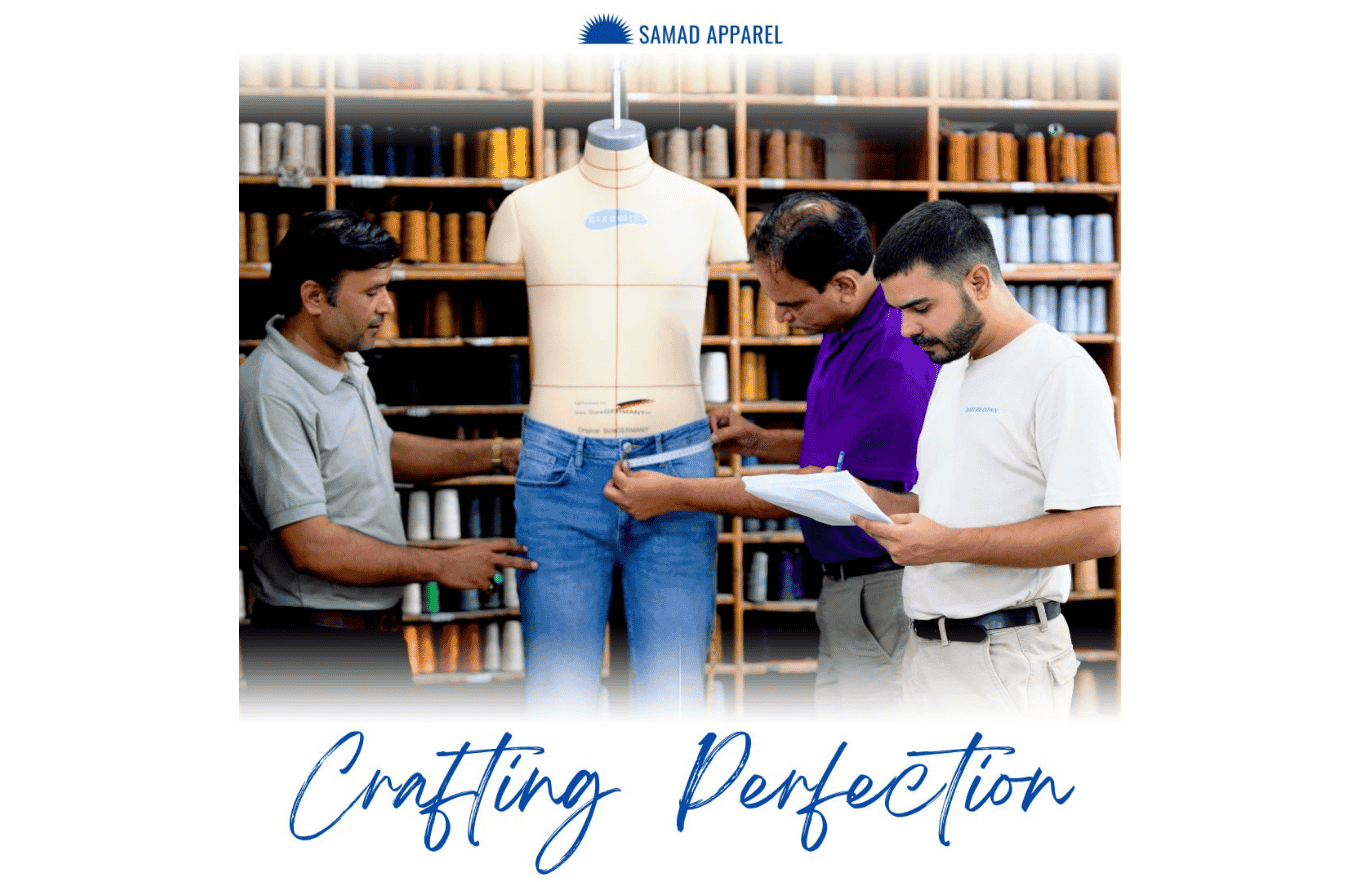
Transitioning toward sustainable manufacturing often requires significant investments in technology and infrastructure.
Challenges include:
● Upgrading machinery
● Implementing environmental certifications
● Training employees
Establishing new sourcing networks
Smaller manufacturers may struggle to make these investments immediately.
Global regulations surrounding sustainability continue to evolve. Manufacturers must remain informed about:
● Carbon reporting requirements
● Environmental certifications
● Labor compliance standards
● Supply chain transparency expectations
Staying ahead of these requirements is essential for maintaining competitiveness.
Global brands increasingly prioritize sustainability when selecting manufacturing partners. A reliable Pakistan Apparel Exporter can now differentiate itself through responsible sourcing and ethical manufacturing practices.
This growing demand creates opportunities for Pakistani manufacturers to strengthen their position in international markets.
Some of the country's strongest advantages include:
● Integrated textile supply chains
● Skilled workforce
● Competitive production costs
● Increasing sustainability investments
● Strong export experience
These strengths position Pakistan as an attractive destination for global sourcing.
The future of apparel manufacturing will be shaped by innovation, responsibility, and collaboration.
Manufacturers are expected to focus on:
● Circular fashion models
● Carbon-neutral production
● Recycled textile innovations
● Ethical labor practices
● Smart manufacturing technologies
Furthermore, brands are likely to seek long-term partnerships with suppliers who can consistently deliver sustainable products without compromising quality.
Forward-thinking companies such as Samad Apparel are helping define what responsible manufacturing looks like in the modern era. By investing in innovation and sustainable practices, they are contributing to a stronger and more resilient industry.
Most importantly, sustainability is no longer viewed as an optional strategy. It has become a central element of long-term business success.
The post-COVID era has accelerated a profound transformation in the global fashion industry. Consumers are demanding greater accountability, brands are prioritizing ethical sourcing, and manufacturers are investing in cleaner and smarter production methods.
Sustainable Apparel in Pakistan stands at the center of this transformation, offering manufacturers and brands a pathway toward responsible growth and long-term competitiveness. As innovation continues to reshape the industry, companies that embrace sustainability today will be better prepared to lead tomorrow. Samad Apparel remains committed to supporting this vision through responsible manufacturing and continuous improvement.
Partner with Samad Apparel today to build sustainable apparel solutions that integrate innovation, quality, and responsible manufacturing for lasting global success.
A Pakistani Apparel Exporter gains stronger market credibility, improved compliance with international standards, and increased opportunities to work with global fashion brands.
The future involves greater adoption of renewable energy, circular fashion models, advanced technologies, and responsible production systems that align with global sustainability goals.


