

The Role of Denim Manufacturers in Pakistan in Sustainable Denim Production
Fashion is evolving faster than ever, and sustainability has become one of the biggest priorities for brands aiming to stay competitive. Consumers are no longer satisfied with stylish products alone. They want garments produced responsibly, using ethical manufacturing practices and environmentally conscious materials. As a result, businesses across the apparel industry are rethinking how denim is designed, manufactured, and delivered to the global market.
This shift has placed Denim Manufacturers in Pakistan at the center of sustainable innovation. By combining advanced production technologies with responsible sourcing and efficient manufacturing processes, they are helping brands meet changing consumer expectations without compromising quality.
In this article, we will explore how Pakistan's denim industry is supporting sustainable production, the innovations shaping its future, and why international brands increasingly view the country as a preferred sourcing destination.
The denim industry has traditionally been associated with high water consumption, energy-intensive production, and chemical-heavy finishing processes. However, changing environmental regulations and growing consumer awareness have encouraged manufacturers to adopt more responsible production methods.
Today's apparel brands understand that sustainability is no longer simply a branding strategy. It has become an important business requirement that influences purchasing decisions, investor confidence, and long-term market competitiveness.
Modern denim manufacturers focus on balancing three essential goals:
● Producing premium-quality garments
● Reducing environmental impact
● Maintaining cost-effective production
This balanced approach creates long-term value for both manufacturers and fashion brands.

Pakistan has steadily strengthened its reputation as one of the world's leading textile and apparel-producing countries. The country's vertically integrated textile industry allows manufacturers to control multiple production stages, from spinning and weaving to garment finishing.
Several factors contribute to this growing global reputation:
● Strong cotton supply chain
● Skilled manufacturing workforce
● Advanced denim production facilities
● Competitive production costs
● Expanding sustainability investments
These advantages enable manufacturers to deliver consistent quality while adapting to evolving global standards.
Samad Apparel continues to contribute to this progress by investing in modern production capabilities that align with international quality expectations and responsible manufacturing practices.
Sustainability depends heavily on continuous innovation. Manufacturers are adopting technologies that improve efficiency while reducing environmental impact throughout the production cycle.
Water usage has historically been one of denim manufacturing's greatest environmental challenges. Today, manufacturers are implementing recycling systems, low-water washing methods, and advanced finishing technologies that significantly reduce water consumption.
These improvements not only conserve valuable natural resources but also lower operational costs over time.
Chemical management has become another important focus area. Modern facilities increasingly utilize environmentally responsible dyes and finishing techniques that reduce wastewater contamination while maintaining premium product appearance.
Furthermore, laser finishing and ozone washing technologies have replaced several traditional chemical-intensive treatments, allowing manufacturers to create fashionable finishes with considerably lower environmental impact.
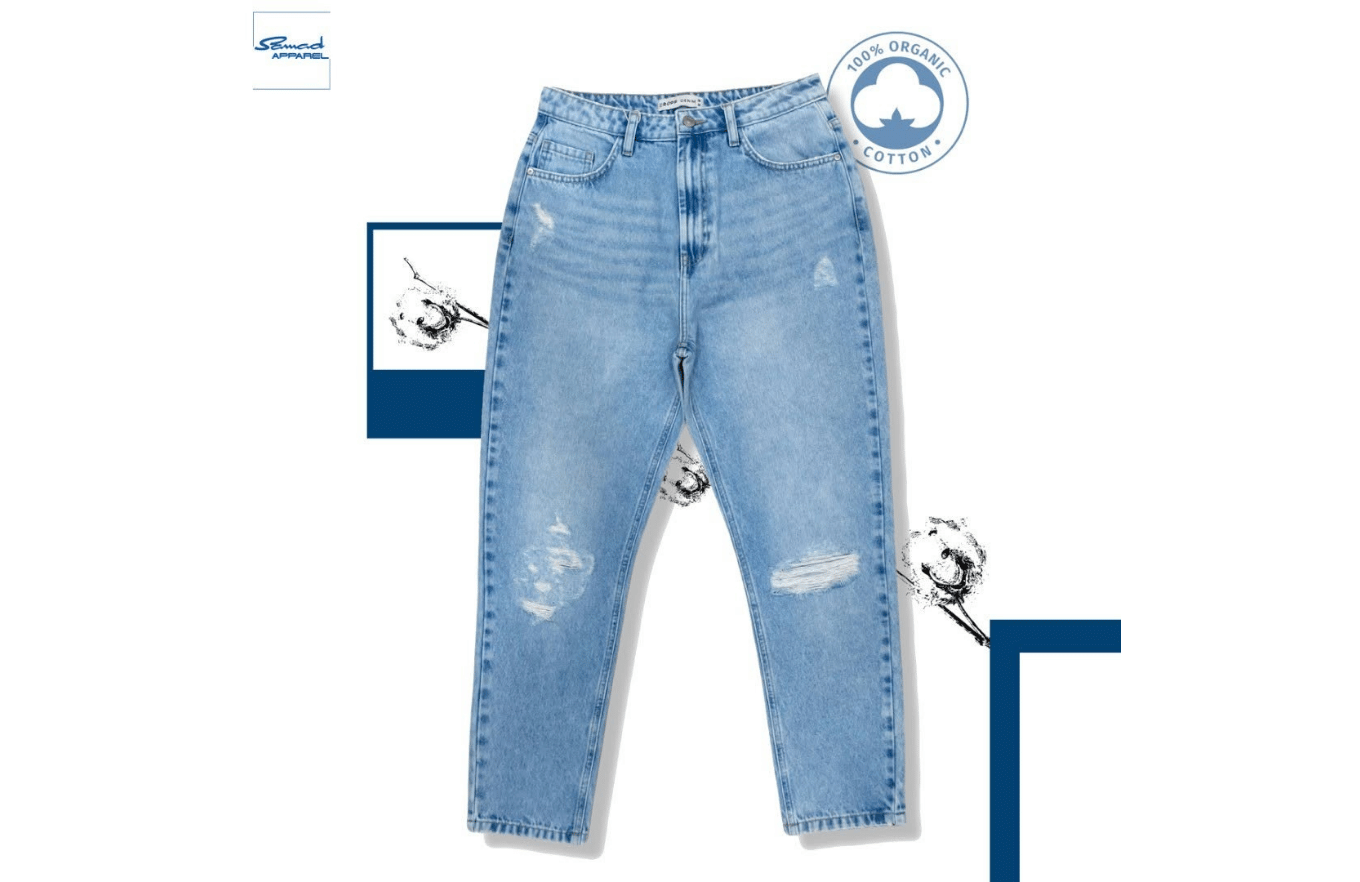
Sustainability begins long before garments reach the production floor. Choosing the right raw materials plays a significant role in reducing environmental impact and improving product quality.
Many manufacturers now prioritize materials such as:
● Organic cotton
● Recycled cotton fibers
● Better Cotton Initiative (BCI) cotton
● Recycled polyester blends
● Low-impact trims and accessories
Responsible sourcing also improves supply chain transparency, giving brands greater confidence in the products they bring to market.
An experienced Jeans Manufacturer in Pakistan understands that premium denim starts with selecting high-quality raw materials supported by responsible sourcing practices.
One common misconception is that sustainable manufacturing requires sacrificing product quality. In reality, responsible manufacturing often improves consistency by introducing stricter quality control systems and better production planning.
Manufacturers now integrate sustainability into every production stage, including:
● Fabric inspection
● Cutting accuracy
● Digital pattern optimization
● Automated quality monitoring
● Final garment inspection
These improvements reduce waste while increasing manufacturing precision, creating better products for international brands.
Samad Apparel demonstrates how modern production systems can successfully combine sustainability, innovation, and premium craftsmanship without compromising performance or reliability.
Global fashion brands are increasingly selecting manufacturing partners that can meet strict environmental and social compliance requirements. Beyond product quality, they expect transparency, consistency, and measurable sustainability efforts throughout the supply chain.
An experienced manufacturing partner delivers value through:
● Reliable production planning
● Ethical labor practices
● Consistent product quality
● Efficient inventory management
● Scalable manufacturing capabilities
● Compliance with international buyer requirements
Moreover, sustainable manufacturing creates stronger long-term partnerships because brands gain confidence in both production reliability and corporate responsibility.
Samad Apparel works closely with international clients by combining technical expertise with responsible manufacturing practices that support evolving market expectations.
Although significant progress has been made, manufacturers still face several challenges while transitioning toward greener production models.
Eco-friendly materials, advanced machinery, and sustainable technologies often require larger initial investments. Manufacturers must carefully balance these costs while remaining competitive.
International regulations continue to evolve. Manufacturers must regularly update processes to comply with environmental, chemical, and labor standards across multiple export markets.
Brands increasingly request complete visibility into sourcing and production. Building transparent supply chains requires collaboration with trusted suppliers at every stage.
Despite these challenges, manufacturers that embrace sustainability are better positioned for long-term growth.
The future of denim manufacturing depends on continuous innovation. Companies investing in research, automation, and environmentally responsible technologies will remain competitive in global markets.
Some important trends shaping the future include:
● Artificial intelligence for production planning
● Digital product development
● Smart inventory management
● Renewable energy integration
● Circular manufacturing initiatives
● Waste reduction through recycling technologies
Most importantly, innovation allows manufacturers to improve operational efficiency while reducing their environmental footprint, benefiting both businesses and consumers.
Selecting the right supplier is one of the most important decisions for any fashion brand. A dependable partner should offer more than production capacity. They should provide expertise, transparency, and long-term value.
When evaluating manufacturers, consider whether they offer:
● Proven industry experience
● Modern production facilities
● Ethical manufacturing practices
● Strong quality assurance systems
● Sustainable sourcing initiatives
● Flexible production capabilities
● Reliable communication throughout projects
Working with an established Jeans Manufacturer in Pakistan gives brands access to technical expertise, efficient production, and dependable quality while supporting long-term business growth.
The denim industry is undergoing one of its most significant transformations. Sustainability is no longer viewed as an optional feature but as an essential element of responsible manufacturing.
As technology advances and consumer expectations continue evolving, manufacturers that invest in cleaner production, responsible sourcing, and innovation will lead the industry's future. Pakistan's textile sector is well-positioned to support this transition by combining decades of manufacturing expertise with forward-thinking production strategies.
Through continuous investment in people, technology, and sustainability initiatives, companies like Samad Apparel continue contributing to a stronger, more responsible global denim supply chain.
Sustainability has become a defining factor in modern denim manufacturing. Companies that prioritize innovation, responsible sourcing, and efficient production are creating lasting value for brands and consumers alike. As global demand for environmentally responsible fashion continues to grow, Pakistan's denim industry remains well-equipped to deliver premium products while supporting a more sustainable future. Manufacturers that embrace continuous improvement today will shape the next generation of denim production.
Partner with Samad Apparel for innovative denim manufacturing solutions that combine sustainability, premium quality, and dependable production to help your brand grow globally.
They combine advanced manufacturing capabilities, skilled craftsmanship, competitive production, and increasing investments in sustainable technologies that meet international quality standards.
A reliable manufacturer supports brands through responsible sourcing, efficient production processes, quality assurance, and environmentally conscious manufacturing practices that reduce overall environmental impact.
Brands should evaluate production expertise, sustainability initiatives, quality control systems, compliance standards, transparency, and the ability to consistently deliver premium denim products at scale.


