

The Secret to Quality Woven Garments from Apparel Manufacturers in Pakistan
What really makes a woven garment feel premium? It is not simply the fabric or the design. Quality is created through a series of careful decisions, from selecting the right material to cutting, stitching, finishing, and inspecting every piece. For brands working with Apparel Manufacturers in Pakistan, understanding these processes can help them make smarter sourcing decisions and develop products that perform well in real-world use. Pakistan's strong textile ecosystem provides access to diverse fabrics, experienced production teams, and modern manufacturing capabilities.
In this article, we will look at the key factors behind reliable woven clothing and explain how manufacturers turn fabrics and designs into polished, commercially ready products.
A garment's quality starts with the material. Fabric influences comfort, durability, appearance, drape, color retention, and how a garment behaves after washing.
Woven fabrics can include cotton, poplin, twill, linen blends, canvas, and various blended constructions. Each option offers different characteristics, making the selection process important for the intended product.
A lightweight fabric may be suitable for summer shirts, while heavier twill can provide the structure required for workwear or outerwear.
Experienced manufacturers consider fabric weight, texture, construction, shrinkage, and end use before production begins. This approach helps ensure Woven Garments in Pakistan are developed around actual product requirements rather than simply available materials.
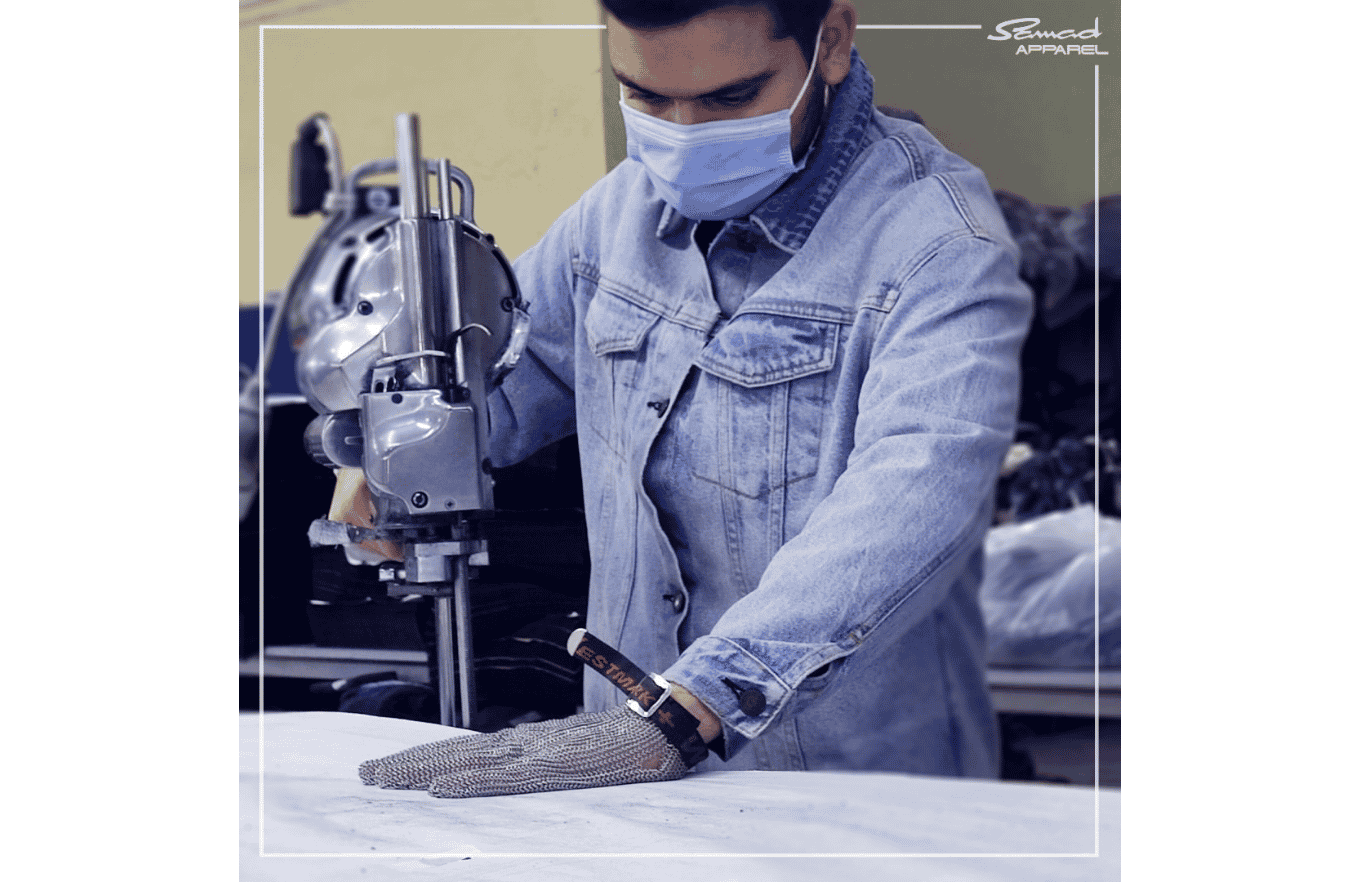
Once the fabric has been selected, accurate cutting becomes essential.
Even excellent fabric can result in poor garments if pattern pieces are cut inconsistently. Accurate cutting helps maintain measurements, proportions, panel alignment, and overall garment shape.
A sample can look perfect, but brands ultimately need the same quality across an entire production run.
Reliable cutting procedures and pattern controls reduce variations between garments. They can also minimize unnecessary fabric waste, supporting both production efficiency and cost management.
Stitching is one of the clearest indicators of garment craftsmanship.
Seam strength, stitch density, collar construction, cuffs, button placement, reinforcement points, and thread selection all contribute to how a garment performs. These details may appear small, but they directly influence durability and customer satisfaction.
Samad Apparel places importance on controlled production processes because consistent workmanship cannot depend entirely on final inspection.
A properly constructed collar should retain its shape. Seams should remain secure during regular movement and washing. Buttons should be firmly attached, while hems should remain clean and even.
These details help transform a basic garment into a product that feels professionally manufactured.
Quality control should not begin only when finished garments are ready for shipment.
Strong production systems involve checks at multiple stages, including fabric inspection, cutting, sewing, measurements, finishing, and final packing.
Identifying a defect during production is generally easier than correcting hundreds of completed garments.
Manufacturers can monitor fabric defects, measurement variations, stitching issues, color differences, and finishing problems before they become widespread. This creates a more controlled production environment and helps protect the consistency of the final order.
Finishing is where many quality details come together.
Pressing, thread trimming, washing, labeling, folding, and packaging all influence how the finished garment reaches the customer. Depending on the product, specialized washing or finishing treatments can also affect texture and appearance.
For retail and online brands, presentation matters. A well-finished garment creates a stronger first impression and supports the perceived value of the product.
Modern machinery can improve precision and production efficiency, but equipment alone does not create excellent garments.
Experienced production teams understand how different fabrics behave and how construction techniques affect the final product. Technology can improve repeatability, while human expertise helps manage variations and solve production challenges.
This combination gives Apparel Manufacturers in Pakistan greater flexibility when handling different designs, materials, and production requirements.
Price is important, but it should not be the only consideration.
Brands should examine sample quality, manufacturing capacity, fabric sourcing, quality-control procedures, communication, production timelines, and the supplier's ability to maintain standards during bulk manufacturing.
A good sample is only the starting point. Buyers should ask how the manufacturer manages bulk production, handles material variations, checks measurements, and resolves quality issues.
For businesses sourcing Woven Garments in Pakistan, understanding these processes can help identify a supplier capable of supporting long-term production rather than simply completing one order.
Customers expect garments to deliver consistent quality every time they purchase from a brand.
Samad Apparel focuses on production consistency because reliable manufacturing can help brands reduce quality problems, manage inventory more effectively, and build stronger customer confidence.
Furthermore, a consistent manufacturing partner can make future product development smoother because established processes and specifications can be repeated across collections.
The secret to quality woven clothing is not one particular machine, fabric, or technique. It is the combination of appropriate materials, precise cutting, skilled stitching, controlled production, careful finishing, and continuous quality inspection.
For brands working with Apparel Manufacturers in Pakistan, understanding these factors makes supplier evaluation much more practical. Samad Apparel demonstrates how attention to manufacturing details can turn a design concept into a dependable finished product that meets commercial expectations.
Ready to source reliable woven garments? Partner with Samad Apparel for quality fabrics, skilled production, precise finishing, and consistent manufacturing tailored to your brand’s needs.
Quality woven garments depend on suitable fabrics, accurate cutting, strong stitching, consistent measurements, careful finishing, and effective quality control.
Fabric affects comfort, durability, appearance, drape, shrinkage, and performance, making it one of the most important decisions during product development.
Brands should review samples, production capabilities, quality-control procedures, communication, lead times, fabric sourcing, and bulk-order consistency before choosing a manufacturing partner.


