

Top Certifications to Look for in a Sustainable Apparel Manufacturer
An apparel manufacturer in Pakistan plays a critical role in the global fashion supply chain, supplying garments to major brands across Europe, the United States, and beyond. As sustainability becomes a defining priority for fashion buyers, certifications have become essential indicators of responsible production. Within the first stages of selecting a reliable partner, brands often evaluate whether an apparel manufacturer in Pakistan follows internationally recognized environmental and ethical standards.
These certifications confirm compliance with strict guidelines on labor practices, material sourcing, chemical usage, and environmental protection. Forward-thinking manufacturers like Samad Apparel have embraced these frameworks not simply to meet requirements but to build long-term credibility in the market. Understanding the certifications that define sustainable apparel production helps brands identify trustworthy manufacturers capable of delivering quality while protecting people and the planet.
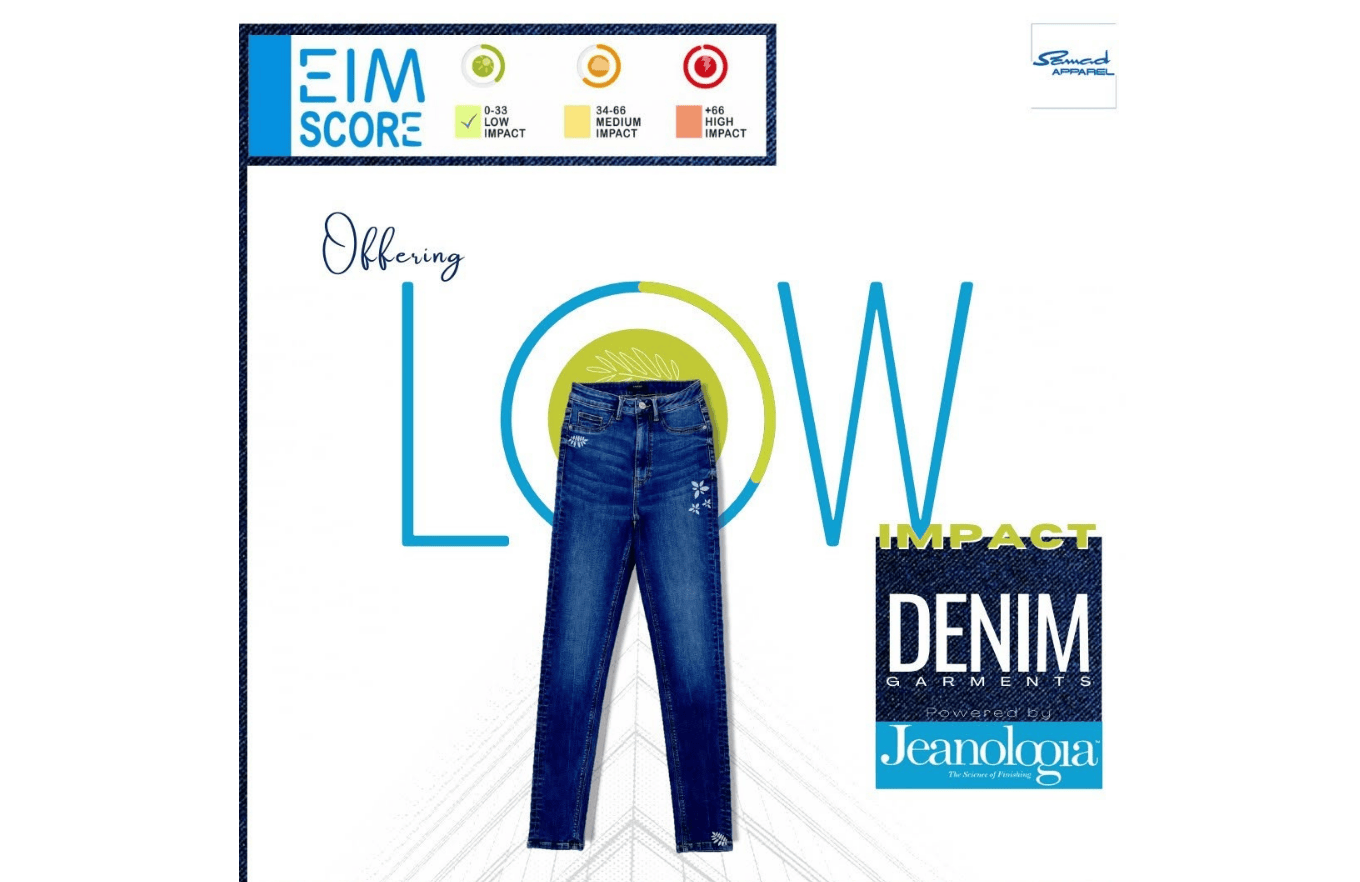
Certifications act as a formal validation system that proves a manufacturer adheres to internationally recognized standards. In the modern fashion ecosystem, sustainability is no longer a marketing claim. Buyers require documented proof that garments are produced responsibly.
For an apparel manufacturer in Pakistan, certifications provide credibility in competitive export markets. International retailers rely on verified compliance to ensure that their supply chains meet ethical sourcing guidelines. Certifications confirm that factories follow responsible environmental practices, maintain fair working conditions, and use safe materials.
Companies producing sustainable apparel also benefit internally from certification programs. They introduce structured management systems that improve efficiency, reduce waste, and strengthen operational transparency. This combination of environmental responsibility and business discipline creates a powerful advantage in the global apparel trade.
Manufacturers such as Samad Apparel understand that certifications serve both as a trust signal for buyers and as a roadmap for continuous operational improvement.
_.png)
The Global Organic Textile Standard is widely recognized as one of the most important certifications for sustainable apparel manufacturing. It verifies that textiles are made from organically grown fibers while meeting strict environmental and social criteria during processing.
For an apparel manufacturer in Pakistan, GOTS certification ensures that organic cotton garments are produced without harmful chemicals and under ethical labor conditions. The certification tracks materials from farm to finished garment, providing complete traceability.
This transparency is particularly important for international fashion brands seeking to prove their commitment to sustainable apparel. When a factory meets GOTS standards, it signals that the manufacturer can maintain responsible practices throughout the entire supply chain.
Manufacturers like Samad Apparel often pursue such certifications to align their operations with global sustainability expectations.
OEKO-TEX Standard 100 certification focuses on product safety. It verifies that textiles are tested for harmful substances and meet strict human health requirements.
For consumers, this certification confirms that clothing is safe to wear. For brands, it assures that products comply with international chemical regulations.
An apparel manufacturer in Pakistan holding OEKO-TEX certification demonstrates strong chemical management practices. From dyes to finishing agents, every component used in production must pass rigorous laboratory testing.
This certification also supports the broader movement toward sustainable apparel by encouraging responsible chemical usage throughout textile production.
The Global Recycled Standard validates the use of recycled materials in textile production. As fashion brands increasingly adopt circular economy strategies, recycled fibers have become a key component of sustainable apparel.
An apparel manufacturer in Pakistan with GRS certification proves that recycled materials are verified and traceable throughout the production process. The certification also evaluates environmental practices, chemical management, and social compliance.
Recycled polyester and regenerated cotton fabrics are becoming increasingly popular among global brands seeking to reduce environmental impact. Through certifications like GRS, manufacturers demonstrate their commitment to resource efficiency and waste reduction.
Companies such as Samad Apparel continue to integrate recycled materials into their operations as sustainability standards evolve.
Worldwide Responsible Accredited Production (WRAP) certification focuses on social compliance within manufacturing facilities. It ensures that factories maintain safe working conditions, fair wages, and ethical employment practices.
For an apparel manufacturer in Pakistan, WRAP certification strengthens credibility among international buyers who prioritize responsible sourcing. The certification evaluates areas such as workplace safety, employee rights, and legal compliance.
Factories that meet WRAP standards demonstrate a strong commitment to worker welfare and ethical business operations. This aligns directly with the growing global demand for sustainable apparel produced under humane conditions.
Manufacturers like Samad Apparel often implement robust compliance frameworks that support these international labor standards.
ISO certifications provide structured systems for managing quality, environmental impact, and operational processes.
ISO 9001 focuses on quality management systems. It ensures that production processes follow consistent procedures that maintain product reliability.
ISO 14001 addresses environmental management. It helps manufacturers monitor energy use, waste generation, and environmental impact.
For an apparel manufacturer in Pakistan, ISO certifications demonstrate a commitment to professional management practices. These frameworks improve efficiency while supporting sustainable apparel production.
Manufacturers that integrate ISO standards typically experience better process control and stronger relationships with global buyers.
The Business Social Compliance Initiative (BSCI) is another widely recognized compliance framework. It focuses on ethical working conditions and responsible supply chain management.
BSCI audits evaluate workplace safety, fair wages, and labor rights. They also encourage continuous improvement through structured monitoring and training programs.
An apparel manufacturer in Pakistan that participates in BSCI programs signals a commitment to responsible sourcing. This assurance is particularly important for European brands that require strict social compliance within their supplier networks.
Factories producing sustainable apparel increasingly integrate BSCI principles to maintain transparency and ethical accountability.
Certifications are not just regulatory requirements. They represent a strategic advantage for manufacturers competing in international markets.
An apparel manufacturer in Pakistan that maintains multiple certifications demonstrates reliability, transparency, and operational discipline. Buyers prefer partners who can provide documented proof of compliance with environmental and ethical standards.
Manufacturers like Samad Apparel leverage certification frameworks to enhance credibility, attract global brands, and maintain consistent production quality. These certifications also encourage innovation in sustainable apparel practices.
As consumer awareness grows, certification-backed manufacturing will become a defining factor in global apparel sourcing decisions.
Partner with Samad Apparel today to source certified sustainable apparel with reliable manufacturing expertise and global compliance standards
The future of fashion depends heavily on responsible manufacturing practices supported by credible certification systems. For brands searching for a reliable apparel manufacturer in Pakistan, certifications provide valuable assurance that production meets international sustainability and ethical standards. From environmental certifications like GOTS and GRS to labor-focused frameworks such as WRAP and BSCI, each certification plays a vital role in shaping responsible textile production. Manufacturers such as Samad Apparel illustrate how combining these certifications with operational excellence can strengthen trust in global markets. As demand for sustainable apparel continues to rise, certified manufacturers will remain at the forefront of innovation, transparency, and responsible growth within the global fashion industry.
Brands should verify certifications such as GOTS, OEKO-TEX, WRAP, ISO standards, and GRS to ensure environmental responsibility, ethical labor practices, and safe textile production.
Certifications provide verified proof that manufacturers follow strict environmental, chemical, and labor standards, ensuring responsible production throughout the supply chain.
Certified manufacturers demonstrate compliance with global standards, increasing buyer trust and strengthening their position in competitive international apparel markets.


