

Understanding Organic vs. Recycled Fibers Used in Premium Sustainable Apparel
Premium fashion is no longer judged only by how beautiful a garment looks. Today's customers are also asking where materials come from, how products are made, and whether quality can coexist with responsible production. Sustainable Apparel brings these questions directly into the design process, making fiber selection more important than ever. Organic and recycled fibers are two leading options, but they solve different challenges and offer distinct advantages. In this article, we are going to compare both choices, examine their practical benefits, and explain how brands can select materials according to product requirements, customer expectations, and manufacturing goals. As this blog explores, making the right fiber decision is less about following a trend and more about building a smarter, more responsible product.
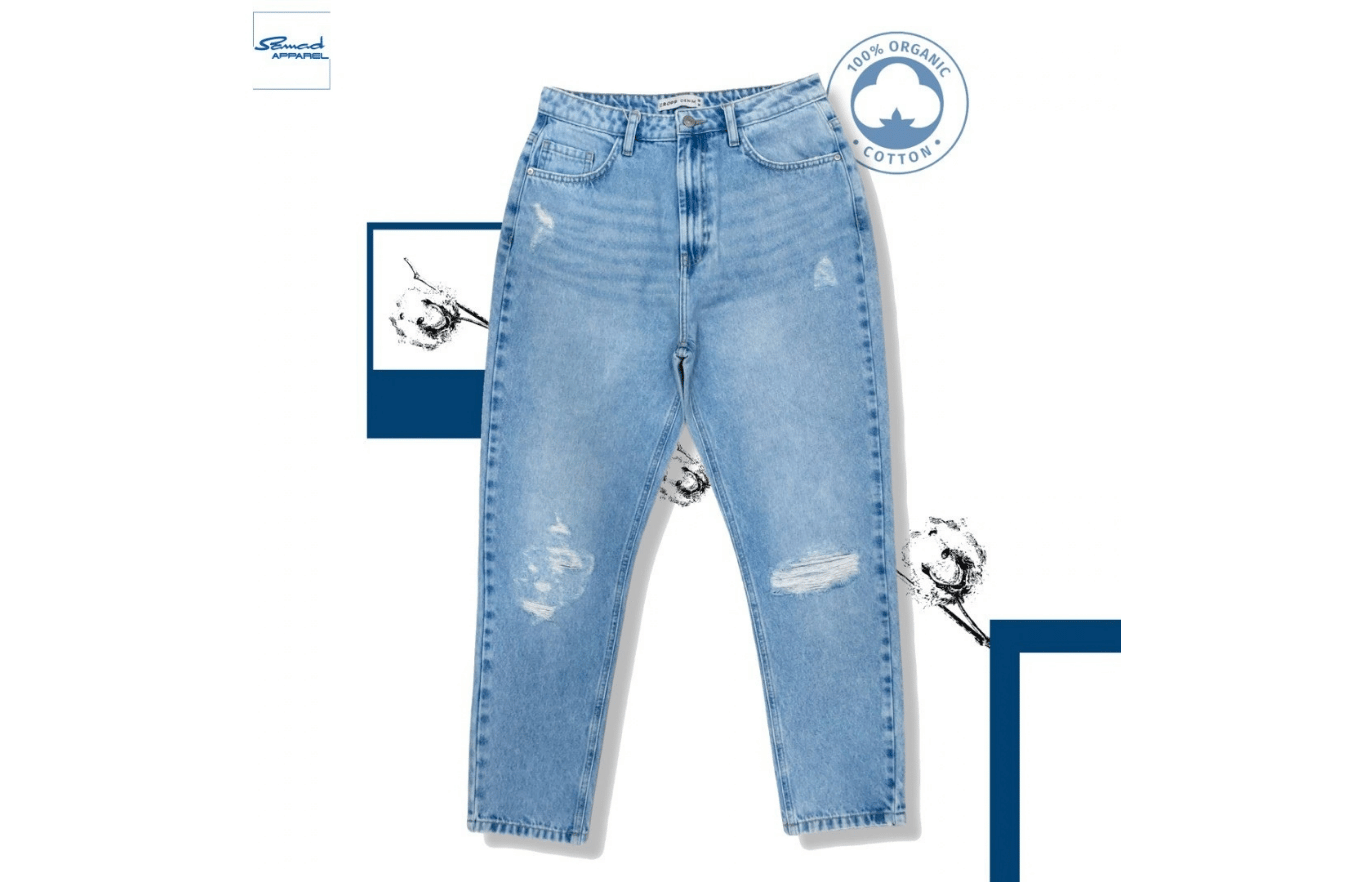
Organic fibers are produced from agricultural sources grown according to defined organic farming standards. Organic cotton is one of the most recognized examples in apparel, particularly for brands seeking natural materials with a responsible sourcing story.
Organic cotton can offer softness, breathability, and comfort while fitting naturally into premium casualwear, basics, and lifestyle collections. Its appeal also comes from the farming practices associated with certified organic production, which can place greater emphasis on responsible agricultural management.
However, organic does not automatically mean environmentally perfect. Farming still requires land, water, energy, and transportation. Brands should therefore evaluate certifications, sourcing transparency, farming practices, and the complete supply chain rather than relying on the word “organic” alone.
Organic fibers are particularly suitable when a brand prioritizes natural textures, comfort, breathability, and a premium hand feel. They can be an excellent choice for products where softness and skin comfort are central to the customer experience.
For manufacturers, the key is maintaining consistent fiber quality from sourcing through finished production. Samad Apparel can help brands consider material performance alongside the visual and tactile qualities expected from premium garments.
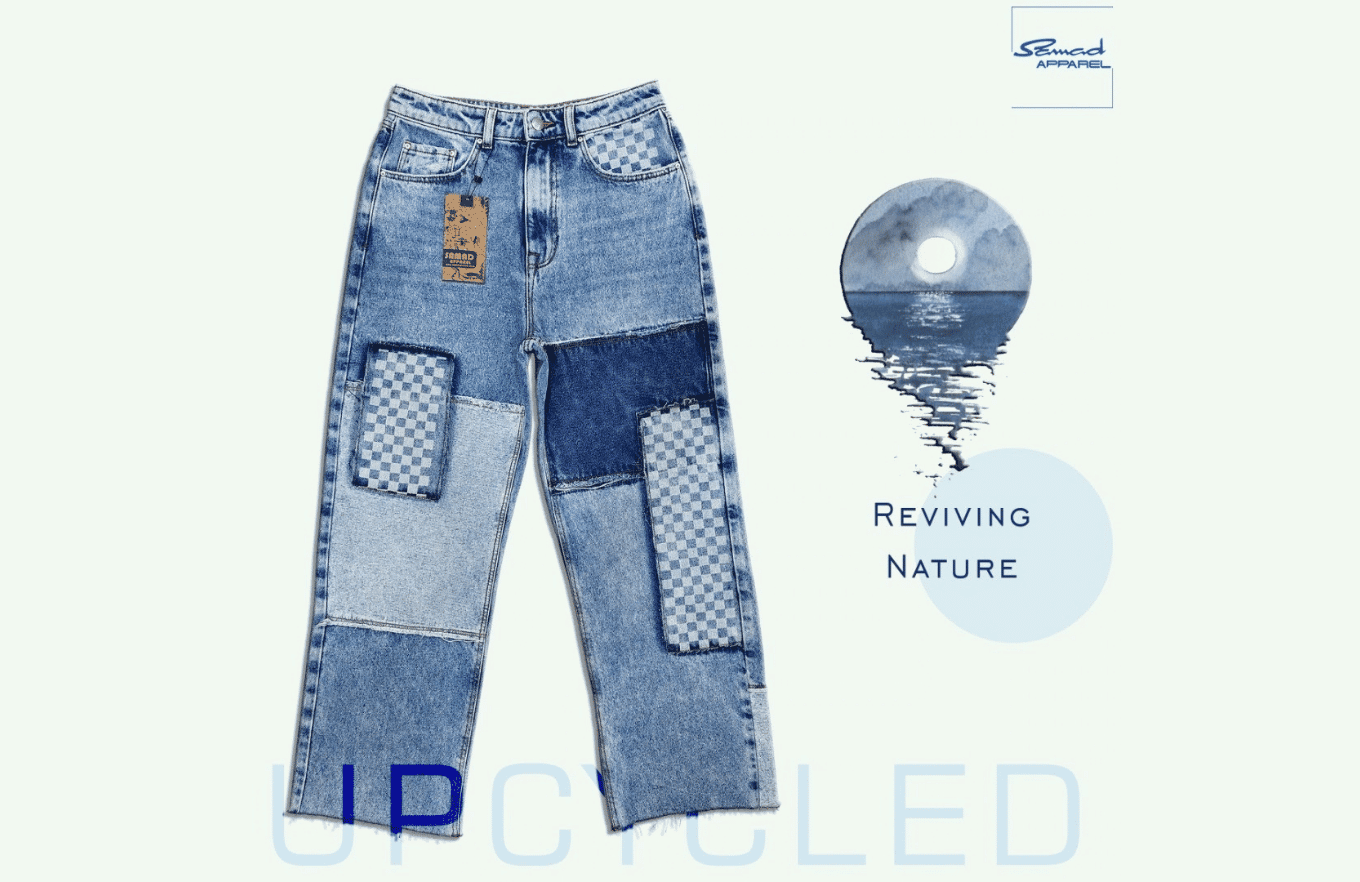
Recycled fibers take an entirely different route. Instead of relying exclusively on newly produced raw materials, they are created from existing textile or non-textile resources that are processed into usable fibers.
Recycled polyester, for example, can be produced from recovered plastic materials, while recycled cotton can come from pre-consumer or post-consumer textile waste. This approach supports resource efficiency by giving existing materials another useful purpose.
The performance characteristics can also make recycled fibers attractive for activewear, outerwear, uniforms, and contemporary fashion collections. Furthermore, recycled materials can support brands seeking to communicate a circular approach to product development.
The strongest appeal of recycled fibers is their potential to reduce reliance on virgin resources. However, the actual environmental benefit depends on the material, recycling process, energy inputs, transportation, and certification behind it.
This is why sourcing transparency matters. Brands should look beyond attractive sustainability claims and ask manufacturers and suppliers about material origin, certifications, composition, and production processes.
There is no universal winner between organic and recycled fibers. The better choice depends on the garment, target audience, performance requirements, and sourcing strategy.
Organic fibers can work exceptionally well where natural comfort and softness are priorities. Recycled fibers may be more appropriate when durability, performance, or resource recovery is central to the product concept.
Most importantly, brands should consider the entire product lifecycle rather than judging sustainability from one material characteristic. A durable garment that remains useful for years may offer greater practical value than a product replaced frequently simply because it uses a preferred fiber.

Choosing the right fiber is only the beginning. Turning that material into a premium garment requires expertise in fabric handling, construction, finishing, quality control, and production consistency.
Brands working with experienced Apparel Manufacturers in Pakistan can benefit from manufacturing knowledge that connects material selection with actual garment performance. A supplier may look excellent on paper, but the real test comes when a fabric moves through sampling, cutting, stitching, washing, finishing, and final inspection.
Moreover, communication between designers and manufacturers can prevent costly mistakes. Clear specifications and early sampling allow brands to evaluate shrinkage, color consistency, texture, durability, and fit before committing to larger production quantities.
Samad Apparel understands how important this connection can be for brands developing premium collections with responsible material choices.
A strong sourcing strategy starts by asking practical questions. What will the garment be used for? How long should it last? Which texture does the customer expect? What certifications support the material claim? Can the chosen fiber be sourced consistently at the required volume?
These questions help brands avoid selecting materials purely because they are currently popular. A thoughtful approach creates products where sustainability, functionality, aesthetics, and commercial value work together.
For emerging and established labels alike, responsible sourcing becomes more effective when material decisions are backed by reliable manufacturing capabilities. Samad Apparel can support this process by helping brands approach premium apparel production with greater attention to quality and material performance.
Organic and recycled fibers both have an important place in modern responsible fashion. Their benefits differ, and neither should automatically be treated as the perfect solution for every garment. Successful sourcing comes from understanding the material, evaluating its complete lifecycle, and matching it with the product's purpose. With thoughtful planning and the right manufacturing partner, brands can create premium collections that balance performance, quality, and responsible production.
Ready to create premium collections with smarter material choices? Contact Samad Apparel for dependable manufacturing expertise, quality-focused production, and responsible apparel solutions tailored to your brand's needs.
Organic cotton comes from organically grown crops, while recycled fibers are processed from existing materials. Both can support responsible fashion when properly sourced and verified.
Yes, recycled fibers can provide excellent performance and durability when the material is carefully selected and processed according to appropriate quality standards.
Experienced Apparel Manufacturers in Pakistan can help brands evaluate materials, develop samples, maintain production consistency, and select manufacturing processes suited to responsible apparel collections.


