
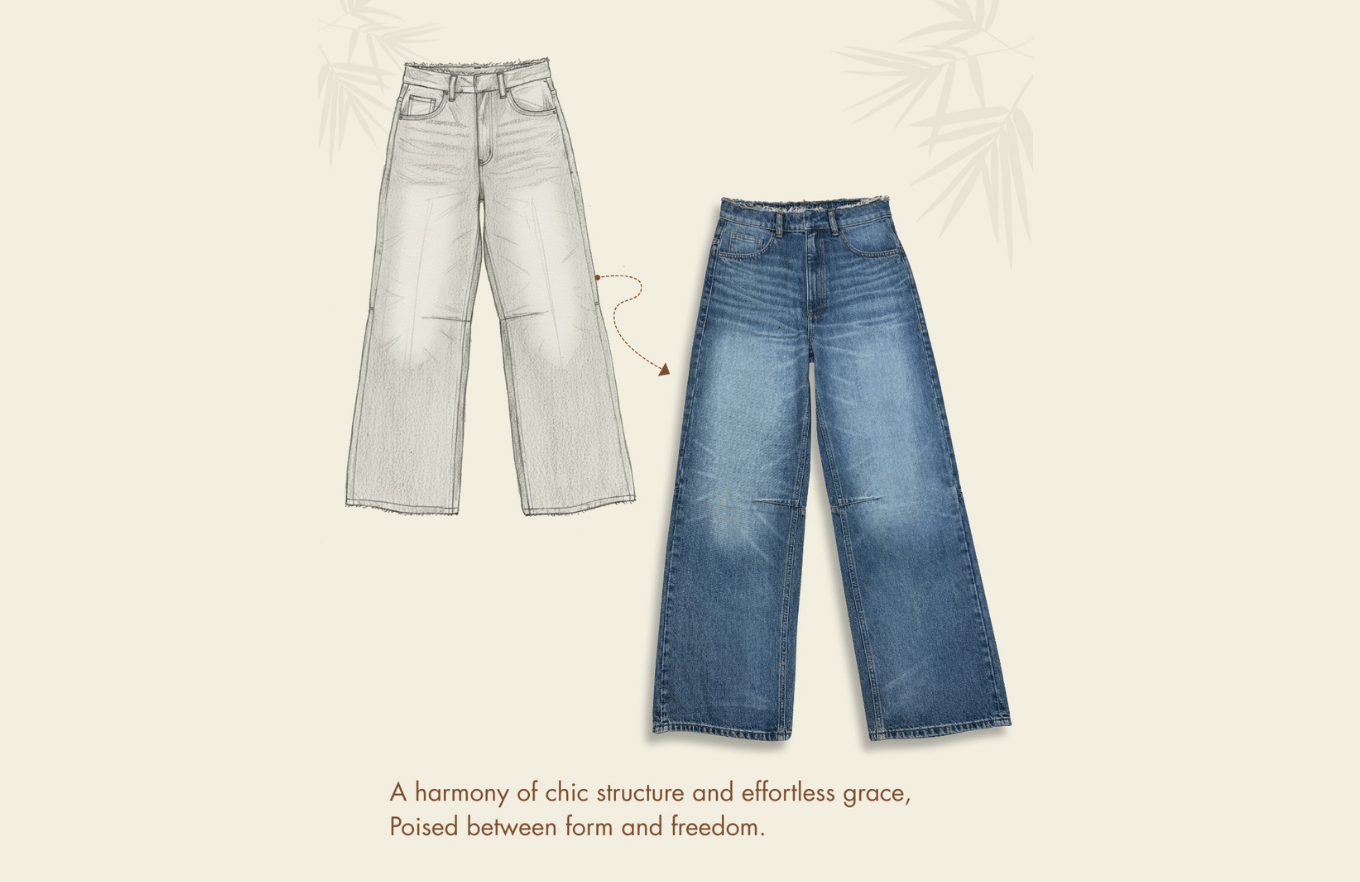
5 Common Myths About Sustainable Apparel Debunked by Samad Apparel
The fashion industry is changing faster than ever, and brands are under increasing pressure to balance quality, innovation, and environmental responsibility. As consumer expectations evolve, businesses are looking beyond traditional manufacturing methods to embrace smarter and more responsible production practices. Yet, despite this shift, several misconceptions continue to influence how people perceive eco-conscious fashion, preventing many brands from realizing its true business value.
Today, Sustainable Apparel has become far more than a trend. It represents a practical approach to creating durable, high-quality garments while reducing environmental impact and improving manufacturing efficiency. In this article, we are going to debunk five of the most common myths surrounding sustainable fashion and explain why leading manufacturers are embracing this new standard for global apparel production.
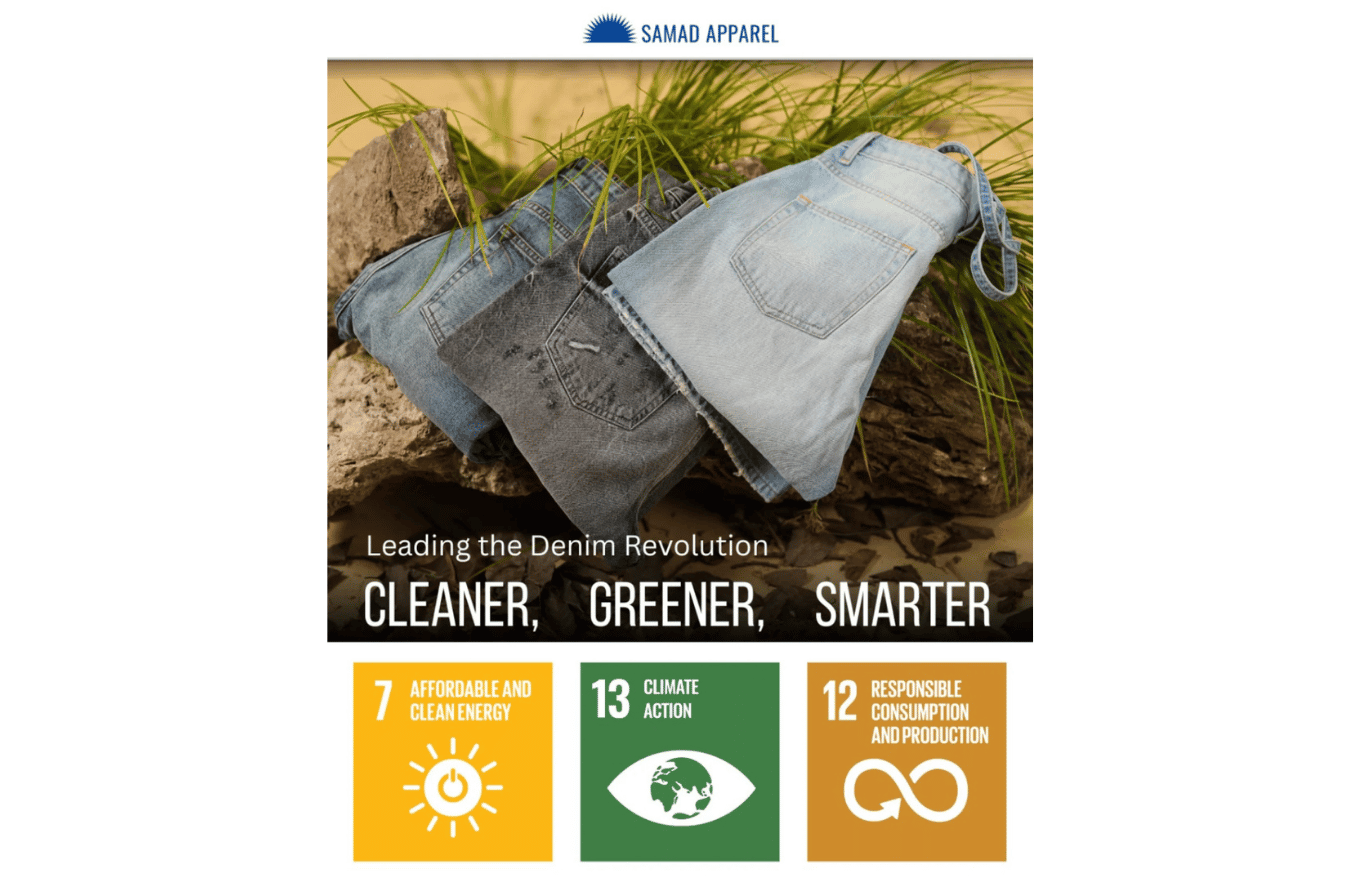
One of the biggest misconceptions is that environmentally responsible garments sacrifice durability or performance. Years ago, this perception may have existed because sustainable materials were still developing. Today, however, innovation has changed the landscape entirely.
Modern manufacturers combine advanced textile engineering with strict quality control to ensure garments perform as well as, or even better than, conventional alternatives.
High-quality sustainable garments often feature:
● Stronger fabric construction
● Better color retention
● Improved durability
● Comfortable wearability
● Consistent finishing standards
Consumers now expect products that combine performance with responsibility, making quality an essential component of sustainable manufacturing rather than a compromise.
Many businesses assume sustainable production significantly increases manufacturing costs. While certain eco-friendly materials and technologies require upfront investment, the long-term operational benefits often offset these expenses.
Efficient resource management helps manufacturers lower production costs over time through:
● Reduced water consumption
● Lower energy usage
● Less production waste
● Better inventory efficiency
● Improved production planning
Moreover, brands that adopt responsible manufacturing often strengthen customer loyalty and improve their reputation in competitive global markets.
Samad Apparel supports clients by integrating responsible production practices with operational efficiency, helping brands achieve both sustainability goals and commercial success.
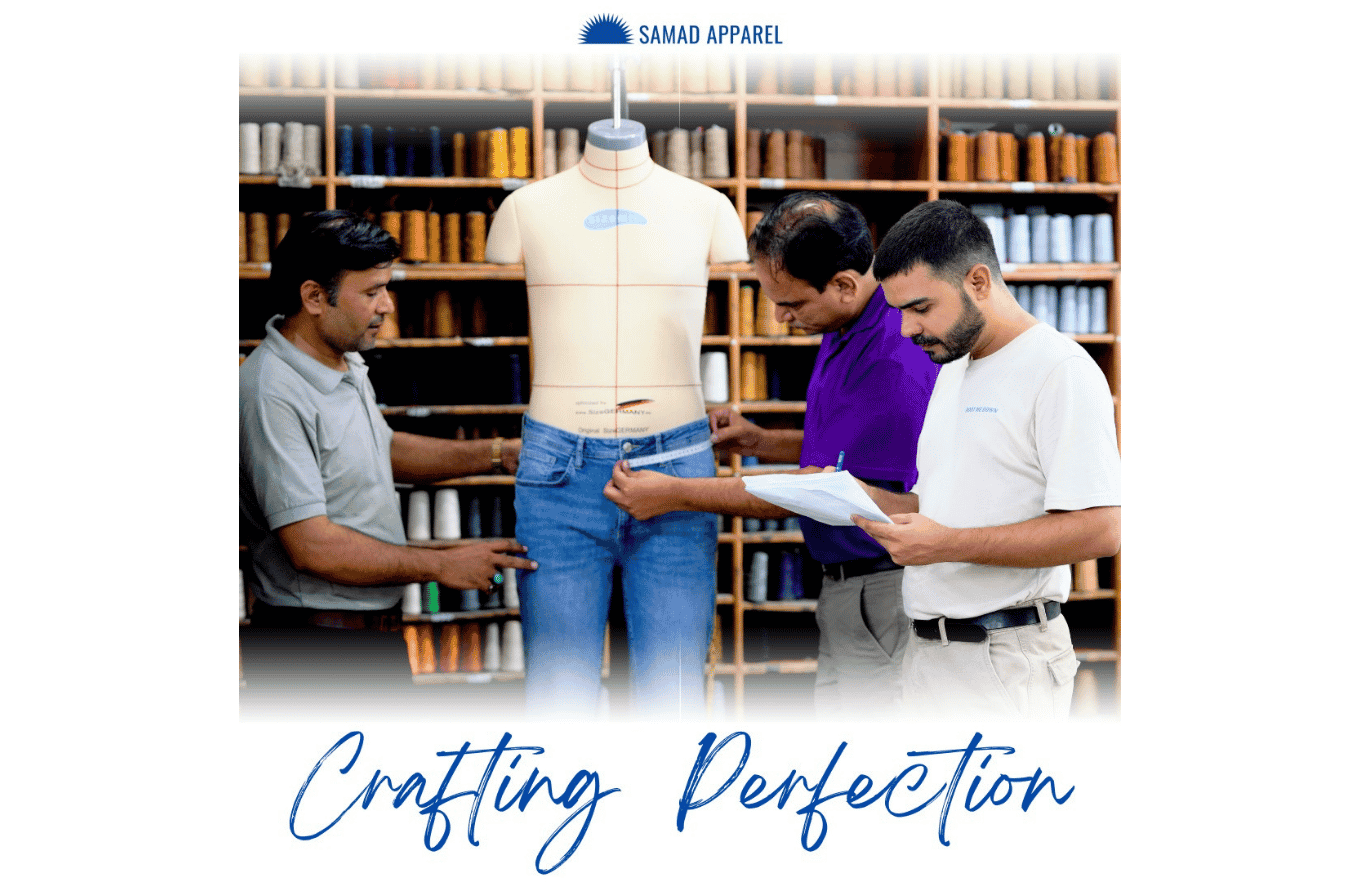
Some designers believe sustainable materials restrict creativity or reduce product variety. In reality, technological advancements have expanded design possibilities across the apparel industry.
Today's manufacturers work with an extensive range of environmentally responsible fabrics, finishes, and production techniques that support diverse fashion collections.
Design flexibility now includes:
● Premium denim
● Fashion-forward woven fabrics
● Performance apparel
● Casualwear
● Workwear
● Lifestyle collections
Rather than limiting creativity, sustainable innovation enables designers to experiment with new textures, finishes, and garment constructions while maintaining responsible production practices.
Another common myth is that only premium fashion labels can afford responsible manufacturing. In reality, companies of every size are adopting sustainable practices because consumers increasingly expect transparency and environmental responsibility.
Businesses across multiple market segments benefit through:
● Improved brand reputation
● Greater customer trust
● Better operational efficiency
● Reduced resource waste
● Stronger global competitiveness
Furthermore, many Apparel Manufacturers in Pakistan now offer scalable production solutions that allow both emerging and established brands to implement sustainable manufacturing without sacrificing affordability.

Some organizations still believe sustainability offers little measurable business value. However, global purchasing trends suggest otherwise.
International buyers increasingly evaluate suppliers based on environmental responsibility, compliance standards, ethical labor practices, and production transparency.
Companies investing in responsible manufacturing often experience advantages such as:
● Stronger buyer relationships
● Increased export opportunities
● Better supply chain resilience
● Enhanced market credibility
● Greater customer retention
● Long-term operational stability
Most importantly, sustainability positions manufacturers for future market demands rather than simply responding to current trends.
Samad Apparel continues investing in innovation, responsible sourcing, and advanced manufacturing capabilities to help clients remain competitive in evolving international markets.
Many myths persist because outdated information continues circulating throughout the industry. Rapid technological improvements have transformed manufacturing processes, yet perceptions often lag behind reality.
Brands can make better sourcing decisions by evaluating suppliers based on:
● Manufacturing certifications
● Production transparency
● Material sourcing policies
● Quality assurance systems
● Sustainability initiatives
● Innovation capabilities
Working with experienced Apparel Manufacturers in Pakistan provides businesses with access to modern production expertise that aligns with global expectations for quality and environmental responsibility.
The future of apparel manufacturing will be defined by innovation, efficiency, and environmental responsibility. Manufacturers are investing in renewable energy, water-saving technologies, recycled materials, and digital production systems to improve both sustainability and product quality. As global regulations become stricter, brands that embrace responsible manufacturing today will be better prepared for tomorrow's market demands.
Responsible production is no longer just a competitive advantage. It has become an essential part of building long-term business relationships and maintaining customer trust in international markets.
Samad Apparel continues to support global brands through responsible manufacturing practices, modern production capabilities, and a commitment to delivering premium-quality apparel that meets evolving industry expectations.
Many misconceptions surrounding sustainable manufacturing are based on outdated information rather than today's industry reality. Modern production methods prove that sustainability, quality, affordability, and innovation can successfully work together. Businesses that understand these changes are better positioned to build resilient supply chains, strengthen brand reputation, and meet the growing expectations of global consumers.
Partner with Samad Apparel to build high-quality, sustainable apparel collections backed by responsible manufacturing, reliable production, and global export expertise.
It helps brands reduce environmental impact, improve customer trust, comply with international standards, and strengthen long-term competitiveness.
Many manufacturers invest in efficient production technologies, responsible sourcing, waste reduction, and quality management to meet international buyer expectations.
Yes. Modern manufacturing technologies and advanced materials allow sustainable garments to deliver excellent durability, comfort, and performance without compromising quality.


