
7 Factors to Consider When Sourcing Sustainable Apparel
Fashion sourcing is changing fast. Brands are no longer judging a supplier only by price, production capacity, or delivery timelines. Environmental responsibility, material choices, manufacturing practices, and supply chain transparency now influence sourcing decisions just as strongly. For brands trying to build a responsible collection, Sustainable Apparel offers an opportunity to align product quality with changing market expectations.
But sourcing responsibly requires more than choosing a garment labeled “eco-friendly.” Brands need to examine how materials are sourced, how products are manufactured, how workers are treated, and whether suppliers can provide credible information about their processes. In this blog, we are going to explore seven practical factors that can help brands evaluate suppliers more effectively and make smarter long-term sourcing decisions.
Material selection is one of the first things brands should examine when sourcing responsibly produced clothing. A supplier should be able to explain where its fabrics come from and why particular materials have been selected.
Organic cotton, recycled fibers, responsibly sourced cellulosic fibers, and other lower-impact materials can play an important role in developing responsible collections. However, the material itself is only part of the picture. Brands should also consider processing, durability, dyeing, finishing, and end-of-life possibilities.
A fabric that lasts longer can sometimes provide greater value than a material selected simply because it sounds environmentally friendly. Therefore, sourcing decisions should consider the complete product lifecycle rather than focusing on one attractive material claim.
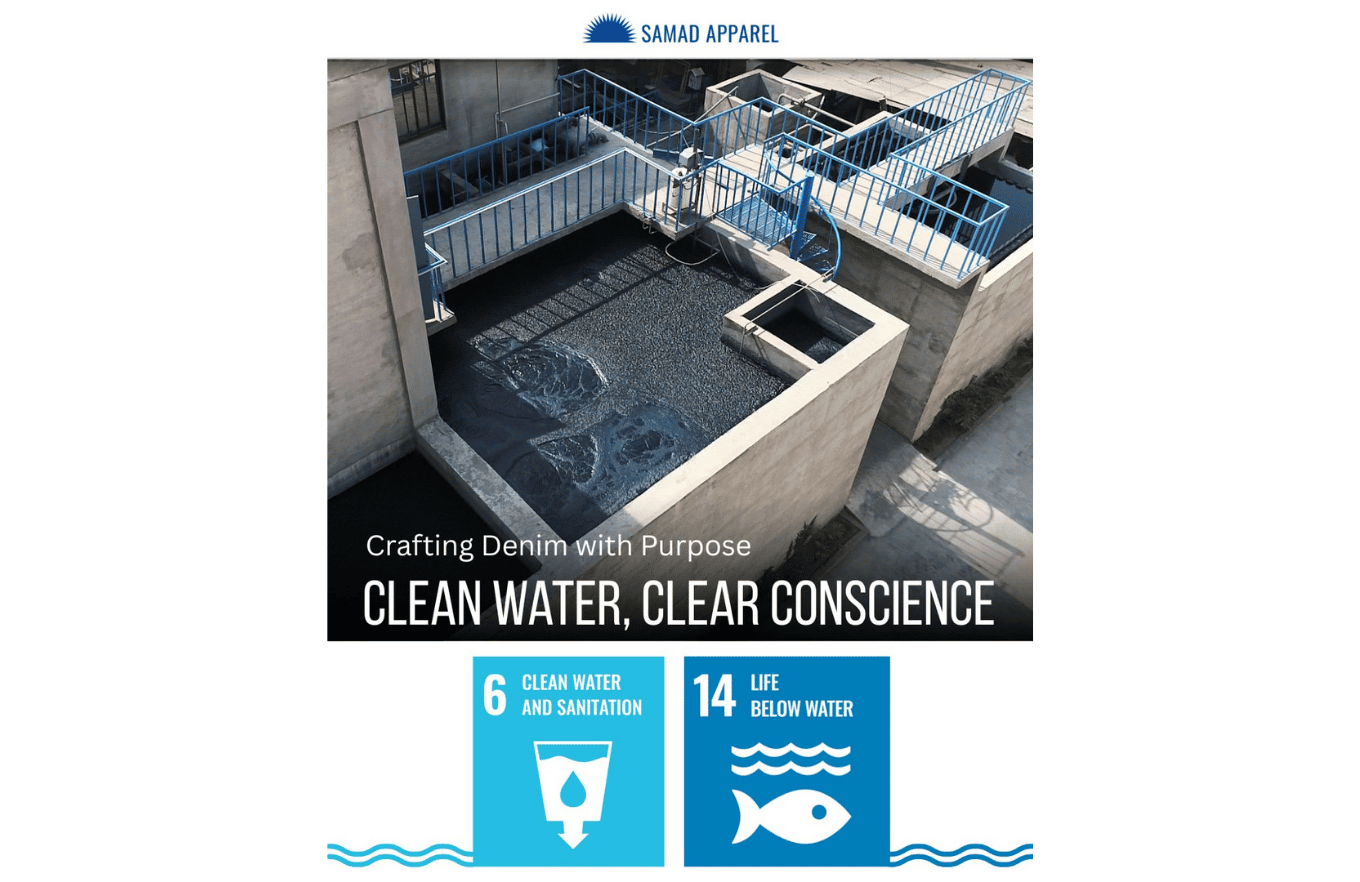
The environmental performance of a garment depends heavily on how it is manufactured. Energy consumption, water usage, waste generation, chemical management, and production efficiency can all influence the overall impact of apparel.
When evaluating Apparel Manufacturers in Pakistan, brands should ask practical questions about their production systems. How is production waste handled? Are water-saving processes available? Does the facility monitor energy consumption? How are chemicals managed?
These questions help separate genuine manufacturing improvements from vague sustainability claims.
Efficient production can also benefit brands commercially. Reduced waste can improve material utilization, while efficient resource management may support more consistent operating costs over time.
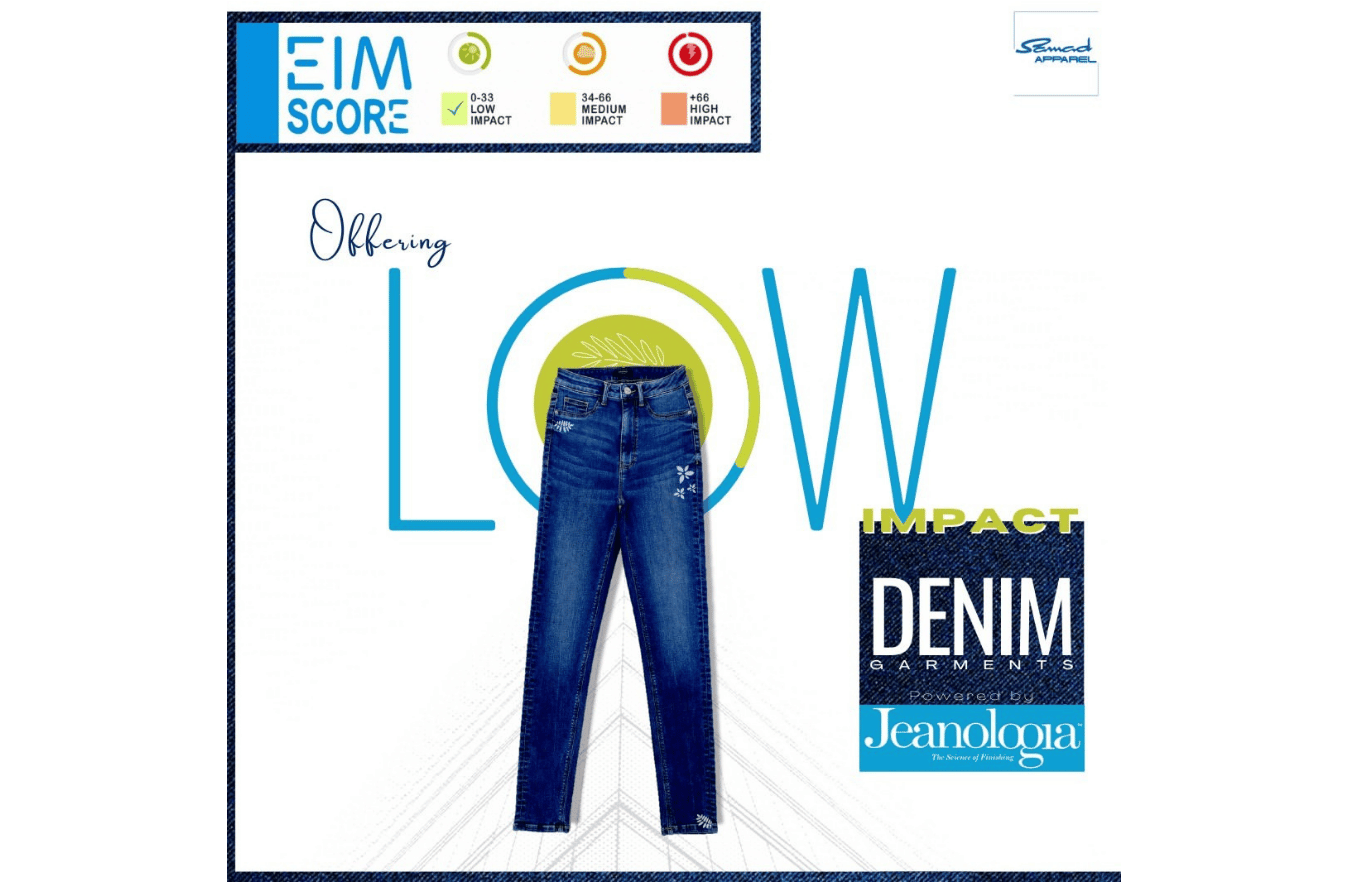
Sustainability claims should be supported by credible documentation. Brands should avoid relying solely on phrases such as “green,” “eco-conscious,” or “environmentally friendly” without asking for evidence.
Depending on the product and material, relevant certifications may include standards covering organic fibers, recycled materials, chemical management, social responsibility, or broader textile processing requirements.
The goal is not to collect certifications simply for marketing purposes. Instead, certifications can provide a framework for verifying specific claims and improving supply chain credibility.
Samad Apparel can be considered within this broader sourcing conversation when brands are evaluating manufacturing capabilities, product requirements, and responsible apparel solutions.
A supplier may have strong manufacturing practices, but brands should also consider what happens before materials reach the production facility. Supply chain transparency can reveal important information about fabric suppliers, raw materials, processing facilities, and other stages of production.
Transparent suppliers should be willing to provide meaningful information about their sourcing network and production processes. This creates greater confidence and makes it easier for brands to communicate responsibly with customers.
Transparency is particularly important when brands make specific environmental or ethical claims. Without reliable information throughout the supply chain, even well-intentioned claims can become difficult to substantiate.
A responsible garment should not only have an appealing environmental story. It should also perform well.
Durability matters because clothing that maintains its shape, color, stitching, and functionality for longer can reduce the need for frequent replacement. This makes quality a critical part of responsible sourcing.
Brands should evaluate:
● Fabric strength
● Stitching quality
● Colorfastness
● Shrinkage control
● Finishing quality
● Performance after washing
A supplier capable of consistently delivering durable products can help brands create collections that offer customers greater long-term value.
Samad Apparel recognizes the importance of combining manufacturing quality with changing apparel market expectations, particularly for brands seeking dependable production partnerships.
A supplier may describe its products as environmentally responsible, but brands should also understand what happens behind the scenes. Production transparency provides useful insight into how materials are sourced, processed, and turned into finished garments.
A dependable supplier should be able to explain its manufacturing processes clearly, including fabric sourcing, dyeing, finishing, waste management, and quality control. This information helps brands identify whether sustainability is genuinely integrated into production or simply used as a marketing claim.
Samad Apparel emphasizes responsible manufacturing practices that help brands evaluate quality and production standards with greater confidence.
Sustainability is not only about the material used to make a garment. Durability matters too. A garment that maintains its shape, color, and performance through repeated use can reduce the need for frequent replacement.
When sourcing Sustainable Apparel, brands should examine fabric strength, stitching quality, colorfastness, shrinkage control, and finishing standards. These factors directly influence the usable life of a product.
Durable garments can provide several advantages:
● Better customer satisfaction
● Fewer product replacements
● Reduced material consumption
● Stronger brand reputation
● Better long-term product value
Furthermore, product durability allows brands to connect sustainability with quality rather than treating environmental responsibility as a separate feature.
A successful apparel sourcing relationship depends on communication. Brands need manufacturers that respond clearly, understand specifications, manage production expectations, and provide support when requirements change.
Before placing a bulk order, buyers should assess how effectively a supplier handles sampling, product revisions, production updates, quality concerns, and delivery schedules.
A strong manufacturing relationship should provide:
● Clear communication
● Responsive customer service
● Consistent production updates
● Reliable quality management
● Support for future product development
Samad Apparel understands that long-term apparel partnerships require more than production capacity. Consistent communication and dependable service can make the sourcing process significantly smoother for international brands.
The growing popularity of sustainability has also created opportunities for vague environmental claims. Terms such as “eco-friendly,” “green,” and “responsible” can sound impressive without explaining what actually makes a product sustainable.
That is why brands should evaluate evidence rather than relying solely on promotional language. Material information, production processes, certifications where applicable, quality standards, and supply chain transparency can provide a more accurate picture.
In this blog, the key lesson is simple: responsible sourcing requires careful evaluation from material selection through final production.
Sustainable sourcing should still make commercial sense. Brands need products that meet their design requirements, target price points, quality expectations, and delivery schedules.
The right supplier should therefore balance environmental considerations with practical manufacturing capabilities. This is particularly important for brands planning repeat orders, seasonal collections, or large-scale international distribution.
When evaluating Apparel Manufacturers in Pakistan, buyers should consider their ability to deliver consistent quality while supporting responsible production requirements.
A thoughtful sourcing strategy can help brands reduce unnecessary risks and create stronger supplier relationships over time.
Choosing the right sustainable apparel supplier requires more than checking whether a garment is made from an environmentally preferred material. Brands should examine certifications, material sourcing, production transparency, durability, manufacturing capabilities, and communication before making a decision.
The strongest suppliers combine responsible practices with dependable quality and professional service. By evaluating these factors carefully, brands can make sourcing decisions that support both environmental goals and long-term commercial success.
Samad Apparel offers brands a manufacturing partner focused on quality, responsible production, and reliable apparel solutions for evolving global fashion requirements.
Partner with Samad Apparel for responsible apparel manufacturing solutions that combine quality, sustainability, and dependable production for global brands.
Brands should evaluate materials, certifications, production transparency, durability, manufacturing standards, supply chain practices, and supplier communication before placing orders.
Brands can request supporting documentation, review material information, examine production practices, and ask suppliers about certifications and traceability.
Experienced Apparel Manufacturers in Pakistan can provide textile expertise, production capabilities, customization, quality control, and support for international apparel sourcing requirements.


