
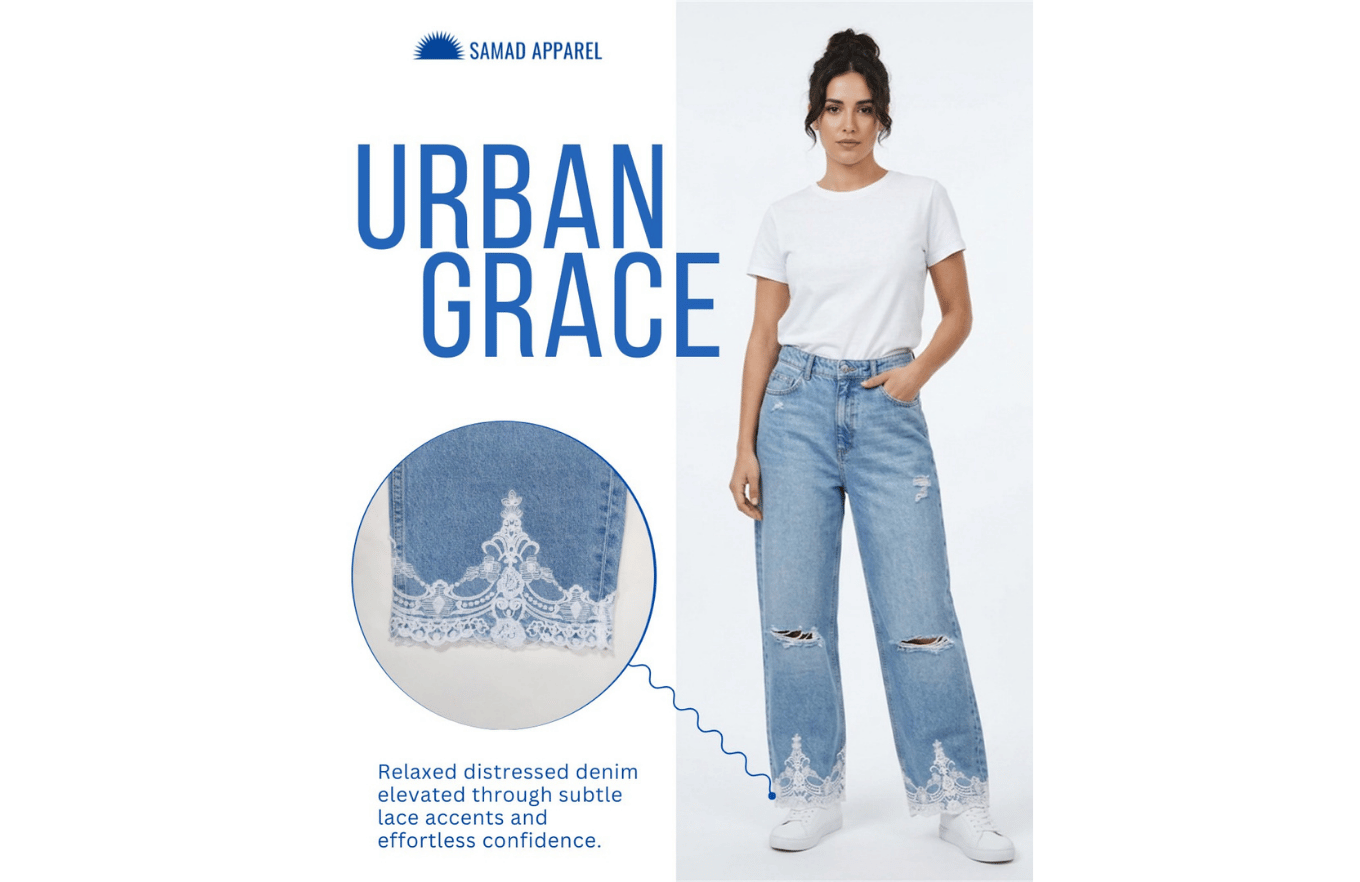
The Importance of Organic Fibers in Sustainable Apparel for Wovens
Fashion is evolving beyond trends, with brands placing greater emphasis on materials that support both performance and environmental responsibility. Consumers are becoming more informed about how garments are made, encouraging manufacturers to adopt fibers that reduce environmental impact while maintaining exceptional quality. Organic materials are now shaping the future of woven textiles by offering a practical balance between durability, comfort, and responsible production.
Today, Sustainable Apparel is increasingly built around the use of organic fibers that help manufacturers produce premium woven fabrics with a smaller environmental footprint. These materials support healthier farming methods, reduce resource consumption, and improve product quality for global fashion brands. In this article, we are going to explore why organic fibers have become an essential component of sustainable woven apparel manufacturing and the value they bring to brands worldwide.
The quality of any garment begins with its raw materials. Organic fibers are cultivated using farming practices that reduce dependence on synthetic chemicals while supporting healthier ecosystems. As a result, manufacturers receive cleaner, higher-quality raw materials suitable for premium woven products.
Organic fibers contribute to manufacturing by providing:
● Improved fabric softness
● Better breathability
● Greater wearing comfort
● Enhanced durability
● Reduced environmental impact
● Consistent material quality
These characteristics allow brands to create products that satisfy both consumer expectations and international sustainability goals.
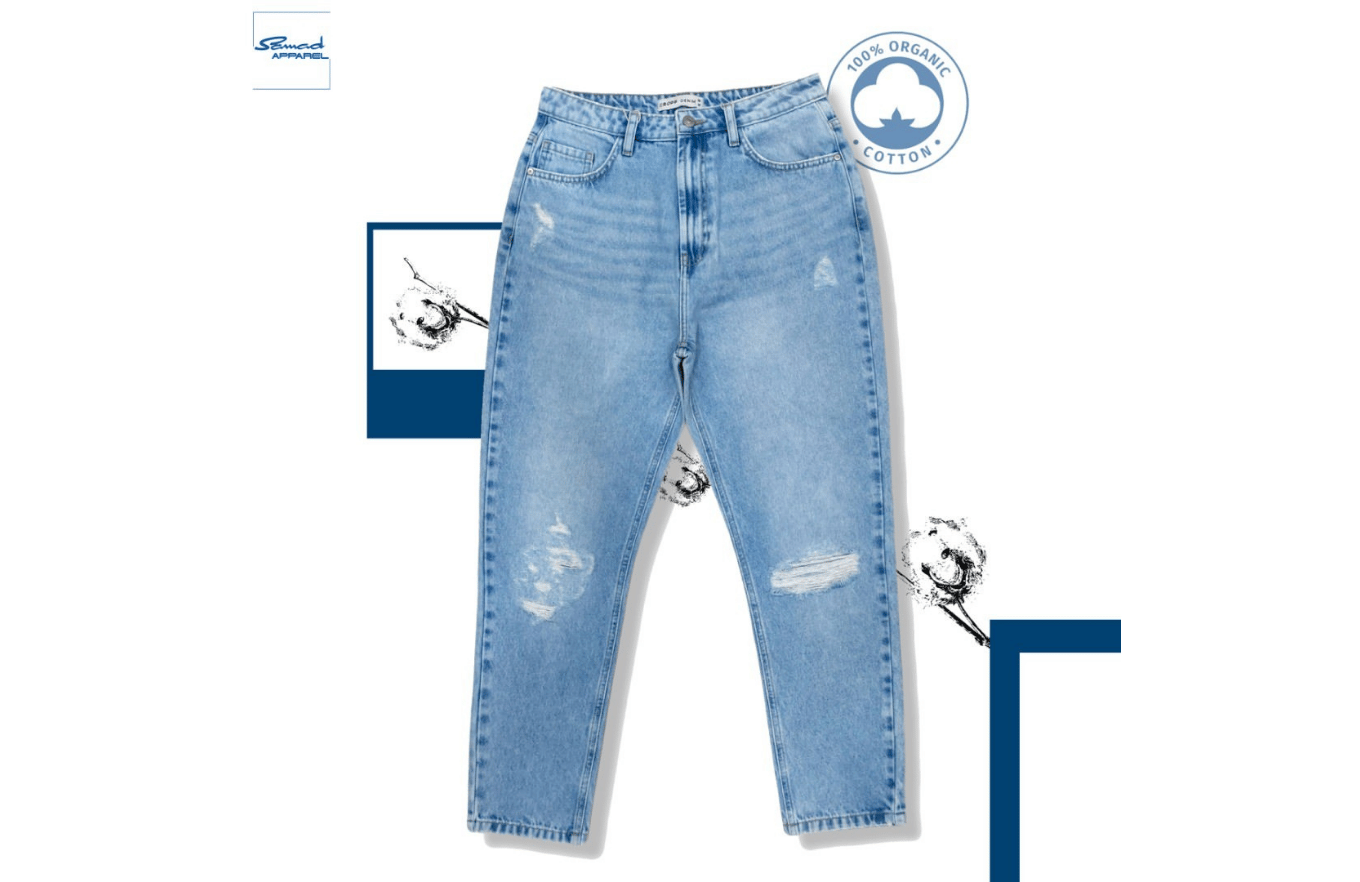
Performance remains one of the most important purchasing factors for fashion brands. Organic fibers help woven fabrics maintain their structure while providing comfort for everyday wear.
Manufacturers use these fibers to achieve:
● Excellent tensile strength
● Improved moisture management
● Better fabric stability
● Comfortable texture
● Reliable long-term performance
Moreover, well-constructed woven fabrics made from organic materials often perform better throughout repeated use, making them attractive for premium apparel collections.
Organic fibers influence sustainability long before manufacturing starts. Responsible agricultural methods help reduce pollution while protecting soil health and biodiversity.
Some important environmental benefits include:
● Reduced chemical usage
● Lower water contamination
● Healthier agricultural ecosystems
● Improved soil quality
● Lower environmental footprint
These practices help manufacturers create products that align with international environmental expectations while maintaining excellent production standards.

International retailers increasingly prioritize suppliers capable of offering responsibly sourced materials. This shift has created greater demand for Woven Garments in Pakistan that combine premium craftsmanship with environmentally responsible production.
Brands value manufacturers that provide:
● Material transparency
● Responsible sourcing
● Reliable quality
● Sustainable production systems
● Consistent manufacturing standards
Samad Apparel continues to support global buyers by incorporating responsible manufacturing practices that help brands meet evolving consumer expectations while maintaining exceptional product quality.
Today's consumers expect more than attractive designs. They want garments made with responsibly sourced materials that reflect a brand's commitment to sustainability. Choosing organic fibers helps businesses strengthen their market position while building long-term customer trust.
Brands benefit through:
● Greater consumer confidence
● Improved brand reputation
● Better product differentiation
● Stronger customer loyalty
● Increased global competitiveness
Furthermore, manufacturers that prioritize responsible sourcing are better positioned to meet changing international compliance requirements.
Selecting a manufacturing partner is just as important as choosing the right materials. Companies should evaluate suppliers based on their production capabilities, quality management systems, and commitment to responsible manufacturing.
Key considerations include:
● Sustainable sourcing practices
● Advanced production facilities
● Experienced technical teams
● Consistent quality assurance
● Reliable export capabilities
Samad Apparel combines modern manufacturing expertise with responsible production practices to help brands develop premium woven apparel that meets international quality expectations.
All in all, organic fibers continue to play a vital role in shaping the future of responsible apparel manufacturing. They improve fabric quality, support environmentally responsible production, and help brands meet growing consumer expectations. Most importantly, investing in sustainable raw materials creates long-term value for businesses seeking to remain competitive in global fashion markets while delivering premium woven products.
Partner with Samad Apparel to create premium woven apparel using responsible materials, advanced manufacturing expertise, and dependable global production solutions.
Organic fibers reduce environmental impact, improve fabric quality, and support responsible manufacturing while delivering comfortable and durable garments.
They achieve better fabric performance, improved quality consistency, and stronger appeal for international buyers seeking responsibly manufactured apparel.
Brands should evaluate material sourcing, production quality, sustainability practices, technical expertise, and reliable manufacturing capabilities before selecting a partner.


