

How Does Sustainable Apparel in Pakistan Support Small and Emerging Brands?
Launching a fashion label today takes more than a great logo and an eye-catching collection. Young brands must also think about materials, production efficiency, customer expectations, and long-term responsibility. For many entrepreneurs, Sustainable Apparel in Pakistan is becoming a practical way to balance these priorities while creating commercially appealing products. In this article, we are going to explore how responsible manufacturing can help small brands manage costs, improve product quality, reduce unnecessary waste, and strengthen their market position. As we move through this blog, you will see why choosing the right manufacturing partner can turn sustainability from a complicated concept into a realistic business strategy that supports both creative ambitions and future growth.
Sustainability can initially seem difficult for a small fashion business because budgets and production quantities are often limited. However, responsible manufacturing does not always require massive investments or large-scale operations.
By selecting appropriate fabrics, controlling production waste, and planning collections carefully, emerging brands can introduce sustainable practices from the beginning. Working with an experienced manufacturer also helps entrepreneurs understand which materials and processes make sense for their particular products.
For example, a small clothing label producing casualwear may benefit from durable recycled fabrics, efficient cutting techniques, and carefully planned production quantities. These decisions can reduce unnecessary resource consumption while keeping the collection commercially attractive.
Material selection is one of the most important decisions in responsible apparel production. Brands should consider durability, comfort, availability, manufacturing requirements, and environmental impact instead of choosing a material simply because it carries a sustainability label.
A knowledgeable manufacturing partner can guide emerging businesses toward materials that fit their designs and target market. Samad Apparel helps make this type of production approach more practical by connecting apparel requirements with responsible manufacturing considerations.
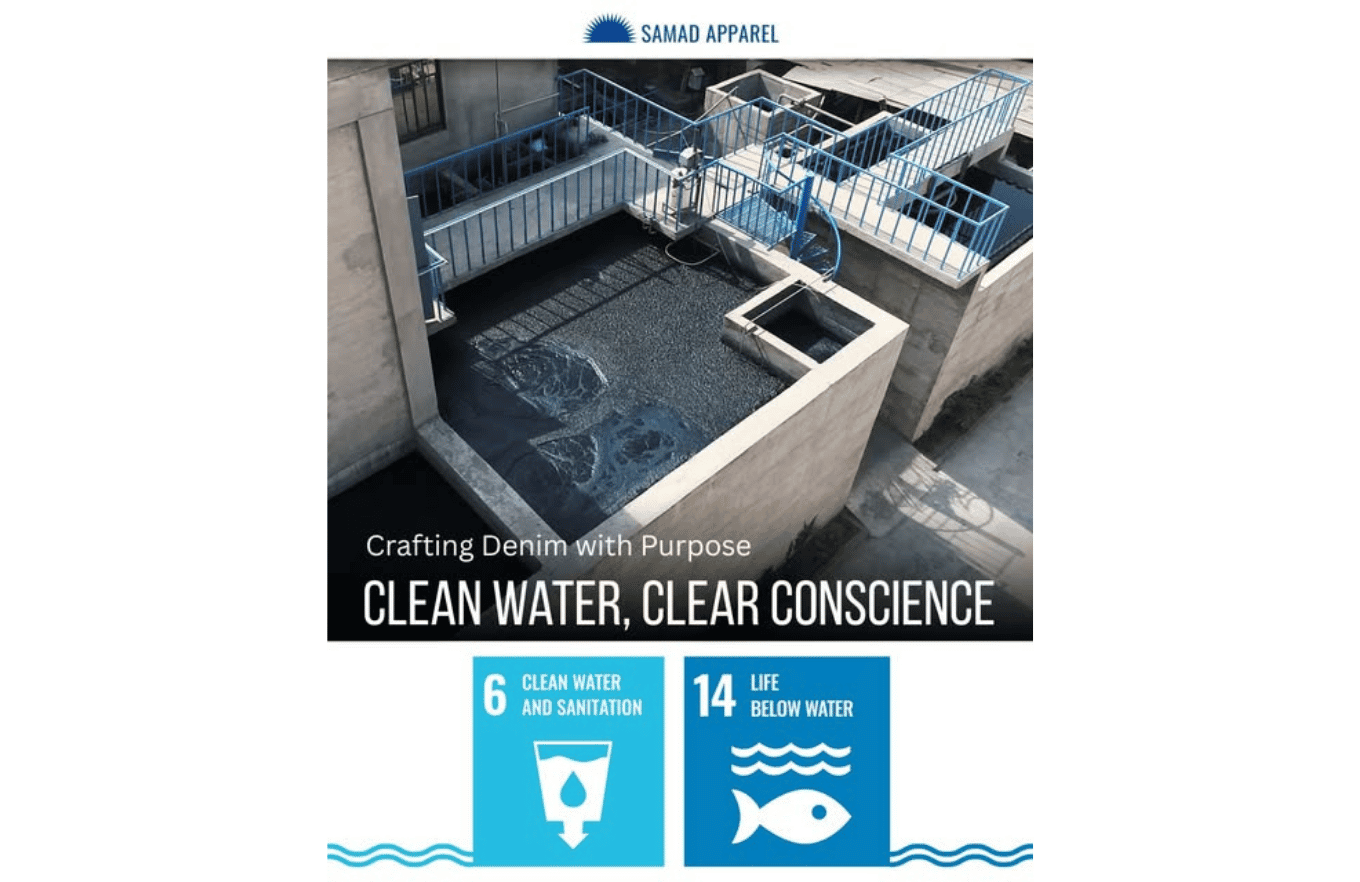
Small brands cannot afford to waste valuable materials. Excess fabric, inaccurate cutting, defective pieces, and unnecessary overproduction can increase costs while creating avoidable environmental pressure.
Efficient pattern planning and precise cutting can make a noticeable difference. Sampling before bulk production is equally important because it gives brands an opportunity to identify sizing, construction, or design problems before larger quantities are manufactured.
Furthermore, better production planning allows emerging labels to maintain greater control over inventory. Instead of producing excessive stock, businesses can align manufacturing more closely with customer demand and collection performance.
A sustainable strategy is only valuable when the finished product meets customer expectations. Poor stitching, inconsistent sizing, weak construction, or unreliable materials can damage a young brand's reputation very quickly.
Consistent quality control therefore needs to remain part of the manufacturing process. From initial samples to final inspections, each stage should follow clear specifications so that customers receive products that match the brand's intended standard.
Samad Apparel can support growing labels by helping them maintain consistency as their collections move from initial concepts toward larger production runs.
Scalability is another major challenge for emerging fashion businesses. A brand may begin with a small collection but eventually receive larger orders from retailers or international customers.
Having a manufacturing relationship that can accommodate changing requirements gives businesses more flexibility. Most importantly, maintaining consistent materials, measurements, construction standards, and quality expectations makes expansion smoother and more manageable.
Sustainability can also help small brands prepare for international opportunities. Customers and retailers increasingly pay attention to responsible sourcing, product quality, manufacturing transparency, and supply-chain practices.
For businesses targeting overseas markets, partnering with an experienced Pakistan Apparel Exporter can provide valuable production knowledge and export-oriented capabilities. Understanding international quality expectations, documentation, packaging, and delivery requirements can make the transition into global markets considerably easier.
Moreover, responsible production can give emerging brands an additional story to communicate to customers. When sustainability is genuinely supported by manufacturing practices, it can become part of the brand's identity rather than simply a promotional message.
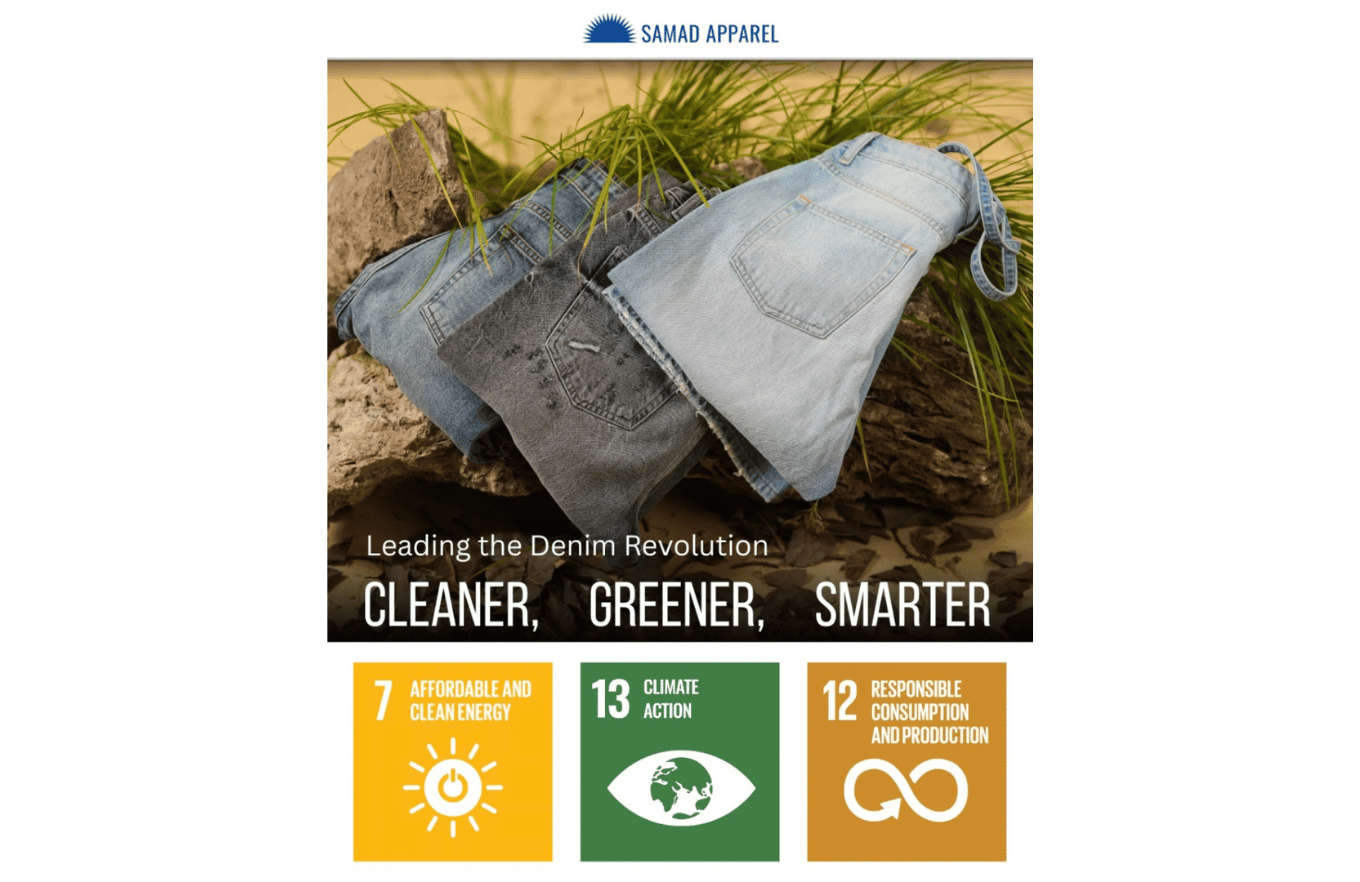
Small fashion businesses often compete against much larger companies with greater resources. Their advantage can come from being more focused, adaptable, and closely connected to their customers.
Building collections around responsible materials, thoughtful production, durability, and reduced waste can help create a distinctive market position. In this environment, Sustainable Apparel in Pakistan can provide emerging brands with a foundation for combining commercial goals with responsible production.
Samad Apparel recognizes the importance of helping brands approach apparel manufacturing with both quality and long-term business objectives in mind.
Sustainability does not have to be a barrier for small and emerging fashion brands. With careful material selection, efficient production, strong quality control, and flexible manufacturing partnerships, responsible apparel can become a practical part of business growth. As customer expectations continue to evolve, Sustainable Apparel in Pakistan offers brands an opportunity to build collections that are commercially relevant while paying greater attention to responsible production.
Ready to create responsible, high-quality collections with confidence? Contact Samad Apparel today for reliable manufacturing solutions tailored to your emerging fashion brand's goals.
Small brands can begin by selecting responsible materials, reducing production waste, improving sampling processes, and working with experienced manufacturers.
An experienced Pakistan Apparel Exporter can provide manufacturing expertise, quality control, export knowledge, and production support for brands targeting international customers.
Yes. Sustainable practices can be introduced at smaller production levels through thoughtful sourcing, efficient manufacturing, controlled inventory, and durable product development.


