
How to Verify Sustainable Apparel Claims and Certifications?
Fashion labels can look convincing, but a green claim on a product page does not automatically make a product responsible. Sustainable Apparel requires more than attractive wording. Buyers need evidence that supports claims about materials, manufacturing, environmental performance, and ethical practices.
This is especially important when sourcing internationally, where documentation and certification requirements can vary between suppliers and markets. In this article, we are going to break down how brands can check sustainability claims without getting lost in technical language or marketing promises. From certification numbers and scope documents to material records and supplier transparency, the verification process becomes much easier when you know exactly what to ask for and what warning signs to watch.
The first step is surprisingly simple: identify exactly what the supplier is claiming.
A statement such as “eco-friendly fabric” is too broad to verify on its own. A useful claim should explain what makes the product more responsible. Is the fabric made with recycled fibers? Is the material organically produced? Has the manufacturing process been assessed against a recognized standard?
Strong sustainability information usually connects a claim with a material, process, standard, or measurable characteristic.
For example, instead of accepting “environmentally friendly cotton,” ask whether the cotton is certified, what standard applies, and which organization issued the certification.
This distinction matters because vague terminology can create a positive impression without providing meaningful evidence.
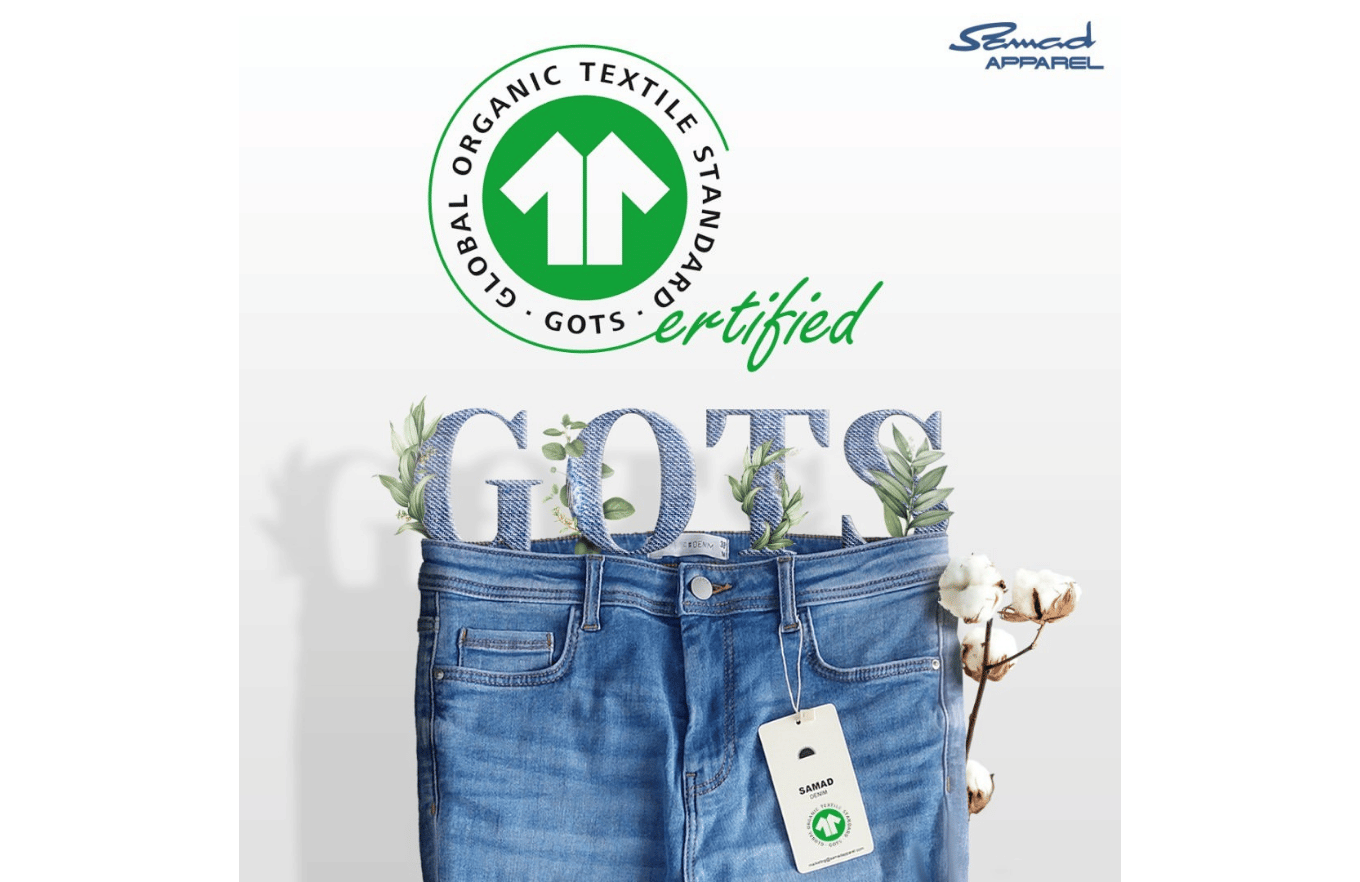
Certifications can provide useful independent verification, but buyers should not stop at seeing a logo.
A supplier should be able to provide relevant documentation showing what the certification covers, who holds it, and whether it applies to the specific facility, product, or material being offered.
Not every certification verifies the same thing. Some focus on organic fibers, while others address recycled materials, chemical management, environmental processes, or textile safety.
Common standards buyers may encounter include GOTS for organic textiles and GRS for recycled materials. OEKO-TEX certifications can also be relevant when assessing textile safety and certain chemical-related requirements.
The key is matching the certification to the claim. A certificate for one material does not automatically validate every sustainability statement made by a supplier.
A digital logo is easy to place on a website. Documentation is much harder to fake convincingly.
When evaluating a supplier, request the certificate or relevant supporting documentation and check details such as:
● Certificate holder
● Certification or license number
● Validity period
● Certified facility
● Product or material scope
● Certification body
This is where many buyers can make a major difference.
A supplier may have a valid certification, but the certification might apply to a particular facility or material rather than the entire product range. Similarly, an expired document should not be treated as current evidence.
For businesses working with a Pakistan Apparel Exporter, documentation should be reviewed as part of the supplier qualification process rather than treated as an optional extra.
Certification is only one part of the picture. Material documentation can help establish whether a sustainability claim is actually connected to the product being ordered.
For recycled fabrics, buyers can ask about recycled content and supporting transaction or material records where applicable. For organic fibers, they can request documentation showing the relevant certified supply chain.
A certificate may prove that a company participates in a particular standard, but buyers still need to understand how that standard relates to their specific products.
Samad Apparel, for example, can be evaluated through the same practical sourcing questions buyers should use with any manufacturing partner: What materials are being used? What documentation supports the claim? Which facility is involved? What can be verified before production?
This approach keeps sustainability assessment grounded in evidence rather than assumptions.
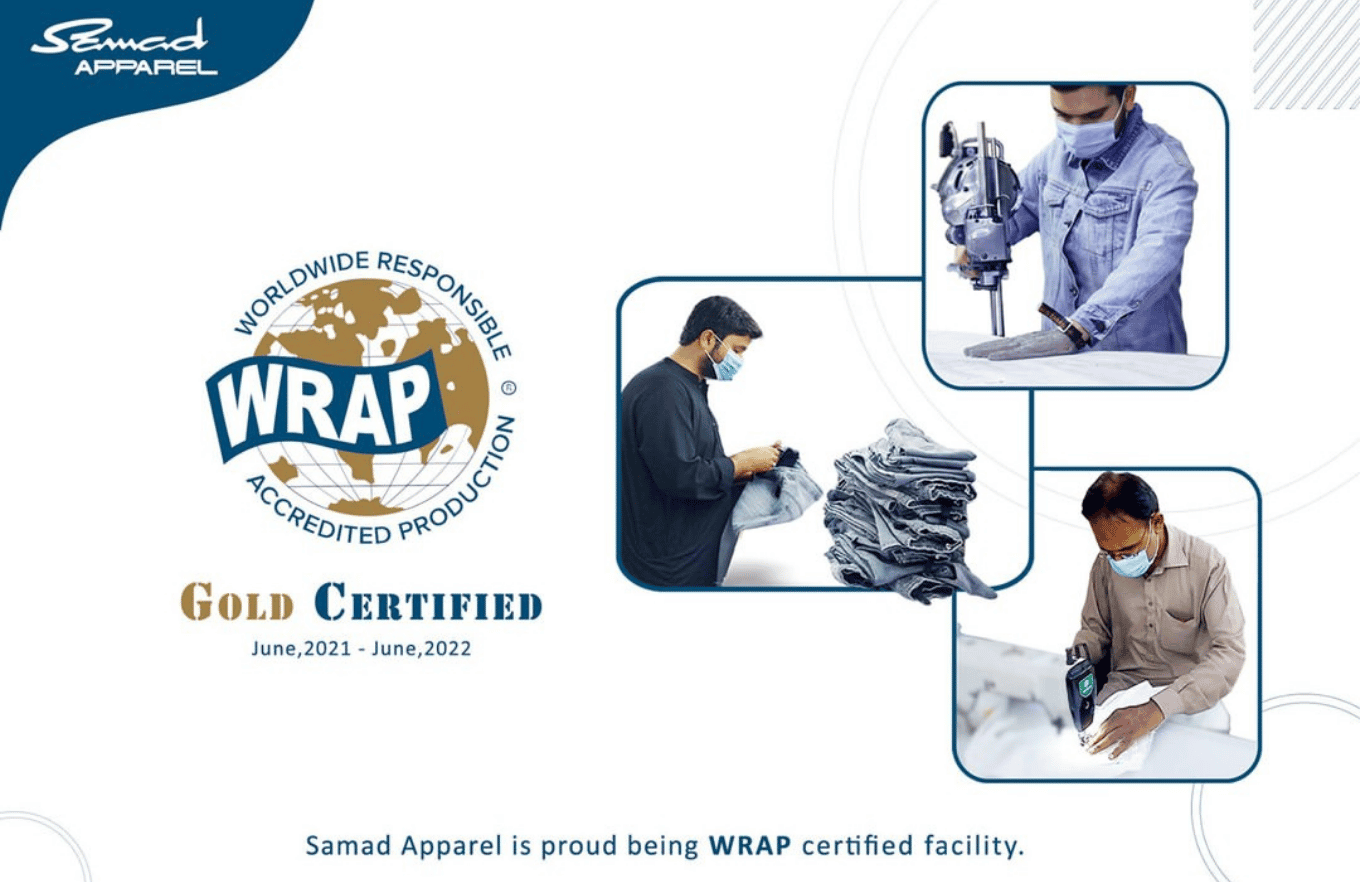
A reliable supplier should be comfortable answering reasonable questions about materials, production, and documentation.
Sustainable Apparel sourcing becomes more credible when a manufacturer can clearly explain its processes and provide appropriate supporting information.
Be cautious when a supplier:
● Uses sustainability terms without defining them
● Displays certification logos without documentation
● Refuses to provide certificate details
● Makes broad environmental claims without evidence
● Cannot explain where materials originate
● Provides outdated or inconsistent records
None of these points automatically proves misconduct, but they are good reasons to request clarification before proceeding.
A certification should not be viewed in isolation.
Look at the bigger manufacturing picture. Consider material sourcing, waste handling, production efficiency, chemical management, packaging, and quality control. A supplier's sustainability story should make sense when viewed alongside its actual operations.
Furthermore, brands should consider whether the manufacturer's practices align with their own sustainability requirements.
For a Pakistan Apparel Exporter, this can become an important part of building long-term relationships with international buyers. Clear documentation and consistent communication make it easier for brands to manage their own sourcing responsibilities.
The easiest way to avoid confusion is to create a repeatable supplier-checking process.
Before placing an order, request the relevant certificates, confirm their validity, identify the certification scope, and ask how the documentation relates to your specific products.
Samad Apparel can be assessed using this same evidence-based approach, allowing buyers to focus on measurable information rather than simply accepting promotional language.
Save certificates, supplier declarations, material documents, test reports, and correspondence in one place.
This becomes particularly valuable when brands need to answer customer questions, prepare compliance documentation, or review suppliers for future orders.
Most importantly, verification should happen before production commitments are finalized. Asking questions early gives buyers more room to resolve gaps without creating unnecessary delays later.
Verifying sustainability claims does not require becoming a certification specialist. It requires curiosity, documentation, and a willingness to look beyond marketing language.
Sustainable Apparel should be supported by evidence that connects claims to real materials, processes, facilities, and recognized standards. By checking certificates, reviewing their scope, requesting material-level documentation, and evaluating supplier transparency, buyers can make more confident sourcing decisions.
Samad Apparel understands that responsible sourcing depends on clear communication and credible manufacturing information. A practical verification process helps brands build stronger supplier relationships while reducing the risk of unsupported sustainability claims.
Contact Samad Apparel today to discuss responsible sourcing, verified materials, and reliable apparel manufacturing solutions for your growing fashion brand.
Buyers should request relevant certificates, verify their validity and scope, review material documentation, and ensure claims directly relate to the products being ordered.
Depending on the product and claim, buyers may encounter standards such as GOTS for organic textiles, GRS for recycled materials, and OEKO-TEX certifications for textile safety-related requirements.
Ask about material sourcing, applicable certifications, certificate validity, production facilities, recycled or organic content, manufacturing processes, waste management, and documentation supporting sustainability claims.


