

Sustainable Apparel in Pakistan: Transitioning from Traditional Cotton to Organic Farming Practices
Pakistan’s cotton industry has long been a vital part of its textile and apparel sector, supplying raw materials to manufacturers and international fashion brands. However, growing environmental concerns are encouraging the industry to rethink how cotton is cultivated, processed, and transformed into clothing. This shift is creating exciting opportunities for manufacturers willing to adopt more responsible sourcing practices. Sustainable Apparel in Pakistan is becoming increasingly connected with the move toward organic cotton farming, where growers focus on healthier soil, reduced chemical dependence, and more responsible resource management. In this blog, we are going to examine how the transition from conventional cotton to organic farming can reshape apparel production, support exporters, improve supply chain credibility, and create long-term value for global fashion brands.
Traditional cotton farming has played an important role in Pakistan’s textile economy, but it can involve significant inputs, including synthetic fertilizers, pesticides, and large quantities of water. These inputs can create environmental pressures when they are not carefully managed.
Organic farming offers a different approach. Instead of depending heavily on synthetic chemicals, organic cotton production emphasizes natural soil management, responsible crop protection, and agricultural practices designed to maintain long-term land productivity.
For apparel brands, this transition matters because sustainability begins long before fabric reaches a cutting table. The environmental performance of a finished garment is influenced by how its raw materials are grown and sourced.
International fashion companies are becoming more attentive to the environmental impact of their supply chains. Consumers are also asking more questions about where clothing comes from and how it is produced.
As a result, organic cotton can provide manufacturers with an opportunity to offer materials that align more closely with responsible sourcing expectations. This shift can strengthen the position of Pakistani suppliers that build stronger connections between agricultural production and apparel manufacturing.
One important advantage of organic agriculture is its focus on soil health. Conventional farming can place pressure on soil when chemical inputs are used excessively or agricultural practices are not managed effectively.
Organic farming encourages techniques such as natural fertilization, crop rotation, and biological methods of pest management. Healthier soil can support agricultural productivity over the long term while reducing dependence on certain synthetic inputs.
This approach creates a more resilient foundation for the textile supply chain. When raw material production becomes more responsible, manufacturers can build sustainability into the process from its earliest stage.
Organic cotton farming aims to reduce the use of synthetic pesticides and fertilizers. This can help lower the chemical burden associated with agricultural production and encourage safer approaches to crop management.
For manufacturers, this creates an opportunity to develop apparel collections with stronger sustainability credentials. Samad Apparel can position responsible material sourcing as part of a broader manufacturing strategy that connects environmental considerations with product quality.
The transition to organic cotton cannot happen through farming alone. Apparel manufacturers, textile mills, exporters, and international buyers all have roles to play.
Manufacturers can support this transition by developing stronger sourcing networks and understanding the requirements associated with organic materials. They can also communicate material information more clearly to buyers and integrate responsible fibers into suitable product lines.
For a Pakistan Apparel Exporter, this creates an opportunity to move beyond basic garment production and provide brands with greater supply chain value.
Transparency is becoming increasingly important in global apparel sourcing. Brands want greater confidence that sustainability claims can be supported by credible documentation and traceable sourcing.
Manufacturers therefore need to understand where cotton originates, how it is processed, and what standards apply throughout the supply chain. Strong documentation and supplier relationships can make responsible sourcing more practical and credible.
Organic cotton can help Pakistani manufacturers compete in product categories where buyers place greater emphasis on responsible materials. Rather than competing solely on production costs, suppliers can differentiate themselves through material quality, sourcing practices, and sustainability-focused manufacturing.
This can create opportunities for premium apparel collections, environmentally conscious private-label products, and long-term partnerships with international brands.
The shift can also encourage investment in agricultural and manufacturing capabilities, helping connect Pakistan’s farming and textile sectors more closely.
Global apparel sourcing is becoming more demanding. Buyers increasingly evaluate suppliers based on quality, reliability, compliance, and environmental performance.
For Pakistani manufacturers, developing organic cotton capabilities can therefore become part of a broader strategy for improving export competitiveness. Samad Apparel can contribute to this changing landscape by aligning responsible material choices with modern garment manufacturing requirements.
Transitioning to organic farming is not an overnight process. Farmers may need time, training, resources, and suitable market incentives to change established production methods.
Organic cotton supply can also be more limited than conventional cotton, making consistent sourcing a challenge for manufacturers handling large orders.
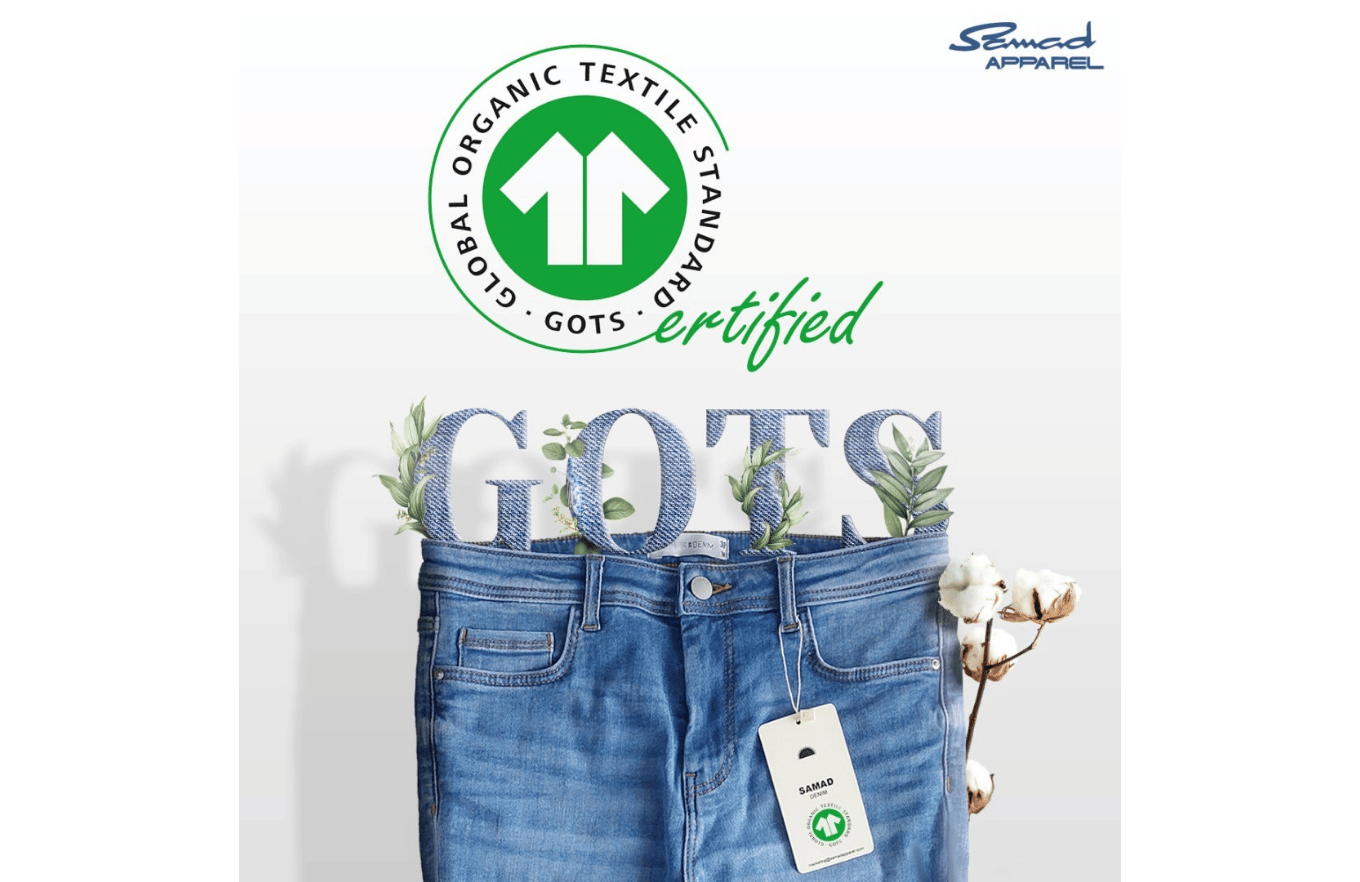
Organic materials often require reliable certification and traceability systems. Manufacturers must understand the relevant requirements and ensure that claims about organic content are properly supported.
This is particularly important for international brands because unsupported sustainability claims can damage consumer trust and create compliance concerns.
Therefore, manufacturers need robust supplier management rather than simply adding the word “organic” to a product description.
The future of the textile industry will depend increasingly on how effectively manufacturers connect agricultural sourcing with responsible production.
Sustainable Apparel in Pakistan can gain further momentum when manufacturers work closely with cotton producers, textile processors, and global buyers to create transparent and efficient supply chains.
Moreover, investment in sustainable farming can encourage innovation across the wider textile ecosystem. Better resource management, improved traceability, responsible fiber selection, and efficient manufacturing can work together rather than being treated as separate initiatives.
International brands are likely to continue raising expectations around environmental responsibility and supply chain transparency. Manufacturers that prepare early can position themselves more effectively for future sourcing opportunities.
Samad Apparel represents the type of manufacturer that can benefit from this changing market by incorporating responsible sourcing and production considerations into its broader apparel strategy.
The transition from traditional cotton to organic farming represents an important opportunity for Pakistan’s textile and apparel industry. While the shift requires investment, education, traceability, and stronger collaboration, it can create meaningful environmental and commercial benefits.
By strengthening connections between farmers, textile producers, manufacturers, and international buyers, Pakistan can develop a more responsible cotton-to-garment supply chain. The growth of organic materials can also help brands build apparel collections that respond to changing consumer expectations without losing sight of quality and performance.
Partner with Samad Apparel for responsible apparel manufacturing solutions that connect quality, sustainability, and global sourcing expectations.
Organic cotton can support more responsible apparel production by reducing reliance on certain synthetic agricultural inputs and encouraging healthier soil management practices.
A Pakistan Apparel Exporter can support organic cotton sourcing by developing traceable supplier networks, working with qualified textile partners, and maintaining reliable documentation throughout production.
Yes. Organic cotton can help manufacturers differentiate their products, respond to sustainability-focused buyers, and access apparel markets where responsible material sourcing is increasingly important.


