

The Role of Sustainable Apparel in Pakistan in Reducing Water and Energy Usage
Fashion may look effortless on a store shelf, but every garment has a production story involving raw materials, water, electricity, chemicals, and labor. As environmental concerns grow, Sustainable Apparel in Pakistan is becoming increasingly relevant to brands looking for more responsible ways to manufacture clothing.
The textile industry has significant resource requirements, which makes efficiency an important part of modern production. Smarter material selection, improved machinery, responsible dyeing, recycling, and better resource management can all contribute to reducing unnecessary consumption. In this article, we are going to examine how sustainable manufacturing practices can help address water and energy challenges while maintaining product quality.
In this blog, we will also look at practical approaches manufacturers and brands can consider when creating clothing with a smaller environmental footprint.
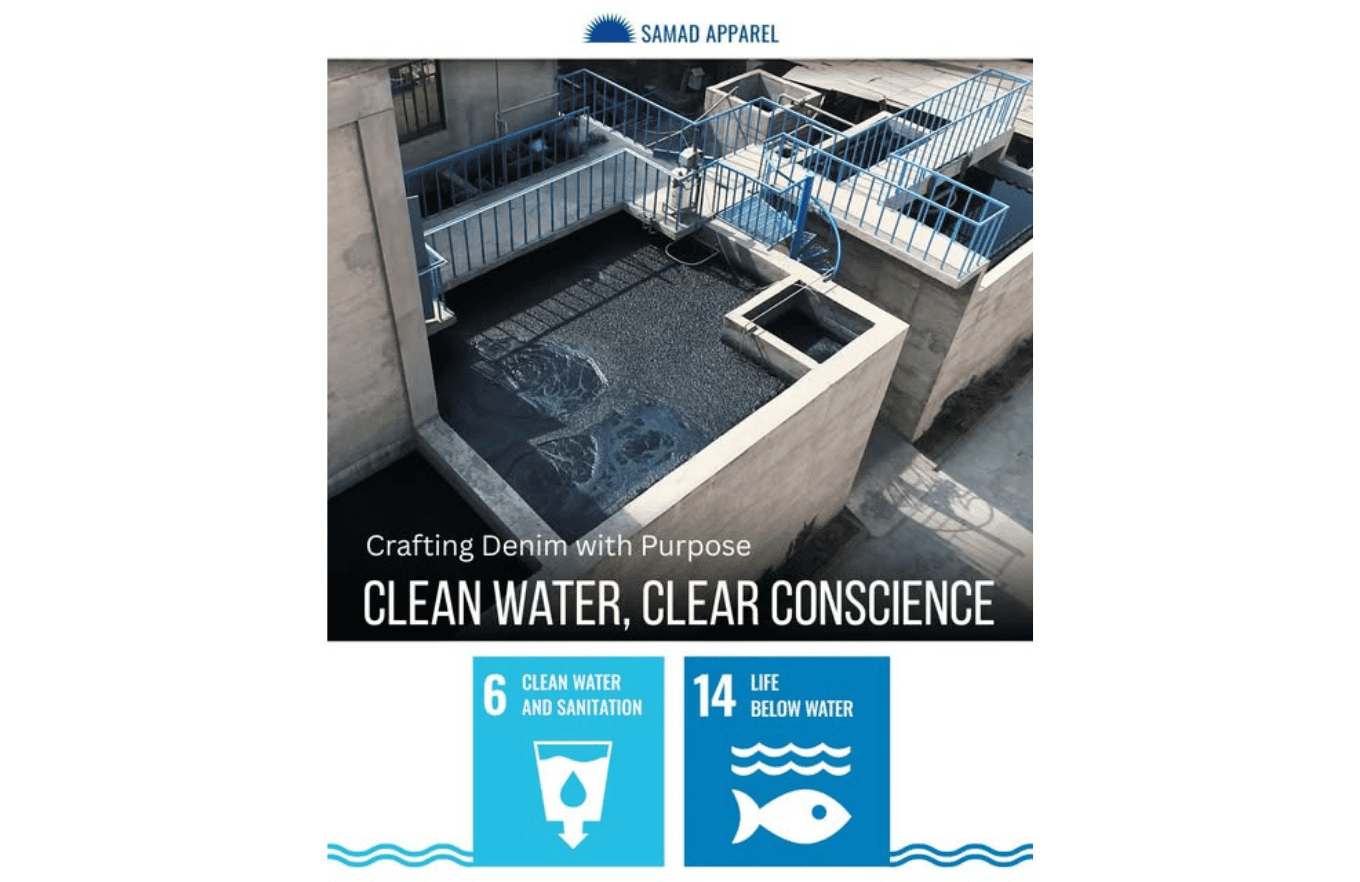
Water plays an important role in textile manufacturing, particularly during processes such as dyeing, washing, bleaching, and finishing. Traditional production methods can require substantial water use, making efficiency an important consideration for manufacturers seeking to reduce resource consumption.
Modern production approaches can help reduce unnecessary water usage through improved dyeing equipment, optimized washing cycles, and more controlled chemical application. Rather than treating water efficiency as an afterthought, manufacturers can incorporate it into production planning from the beginning.
For brands sourcing Woven Garments in Pakistan, asking about water-management practices can provide useful insight into how efficiently a manufacturing facility approaches resource-intensive processes.

Water is only one side of the equation. Textile facilities also rely on electricity and other energy sources for spinning, weaving, cutting, sewing, dyeing, finishing, lighting, and climate control.
More efficient machinery can help manufacturers achieve required production output while using energy more effectively. Preventive equipment maintenance also matters because poorly maintained machines can consume more energy and operate less efficiently.
Some manufacturers are also considering renewable energy solutions, including solar power, as part of broader energy-management strategies. While the suitability of these systems depends on facility size and operational requirements, cleaner energy sources can complement other efficiency improvements.
Samad Apparel reflects the growing importance of considering manufacturing practices alongside product quality when brands assess responsible textile production.
Sustainability does not begin when fabric reaches the sewing floor. It starts with material selection. Recycled fibers, responsibly sourced natural fibers, and fabrics designed for longer product life can influence the environmental impact of finished clothing.
Choosing appropriate materials can also help brands align products with specific sustainability goals. However, material claims should be supported by credible information rather than broad environmental language.
This is where Sustainable Apparel in Pakistan can become part of a wider strategy that connects material selection with efficient manufacturing, responsible sourcing, and product durability.
Cutting rooms generate fabric scraps, while manufacturing can produce packaging waste, defective pieces, and other production leftovers. Instead of treating these materials simply as waste, manufacturers can explore ways to reuse, recycle, or reduce them.
Digital pattern planning and optimized cutting layouts can help manufacturers use fabric more efficiently. Even small improvements in material utilization can become meaningful when applied across large production volumes.
Samad Apparel can be considered by brands looking to connect product manufacturing with broader efficiency and responsible production objectives.
Production efficiency is not only about machinery. Scheduling, inventory management, material planning, and quality control also influence resource consumption.
Producing the correct quantities at the right time can reduce excess inventory and unnecessary rework. Likewise, accurate specifications can minimize defective garments that require additional materials and energy to replace.
For brands sourcing Woven Garments in Pakistan, evaluating these operational practices can provide a more complete picture than simply comparing unit prices.
Brands can make more informed sourcing decisions by asking manufacturers practical questions about their environmental processes. Useful areas include:
● Water consumption and management
● Energy efficiency initiatives
● Fabric waste handling
● Recycling practices
● Material sourcing
● Chemical management
● Production quality controls
Reducing water and energy usage requires more than one technological change. It involves better materials, efficient machinery, thoughtful production planning, waste reduction, and responsible resource management working together. As the textile sector continues to evolve, Sustainable Apparel in Pakistan can help connect environmental responsibility with practical manufacturing improvements. For brands, the opportunity is clear: choose production partners carefully, ask meaningful questions, and look beyond the finished garment to understand how it was made.
Connect with Samad Apparel to explore responsible apparel manufacturing solutions designed around quality, efficiency, and your brand’s sustainability goals.
Efficient dyeing, optimized washing, improved finishing technologies, and responsible chemical management can help reduce unnecessary water use during textile production.
Energy-efficient machinery, preventive maintenance, optimized production planning, and renewable energy solutions can help manufacturers manage energy consumption more effectively.
Brands should ask about fabric sourcing, water and energy management, waste reduction, recycling, chemical practices, quality control, production capacity, and relevant sustainability documentation.


