
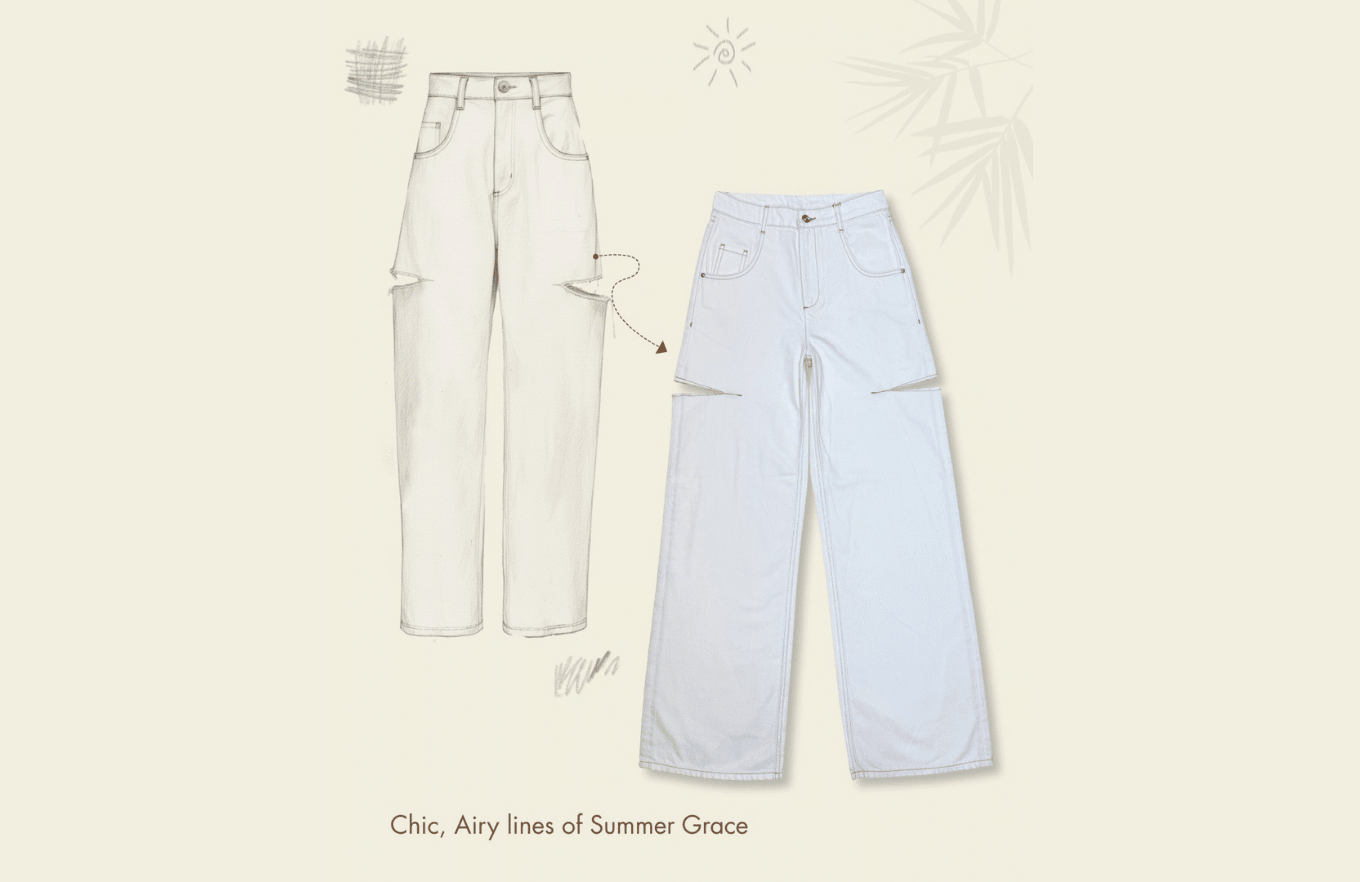
5 Common Myths About Sustainable Apparel Debunked
Sustainability in fashion has moved from a niche conversation to a serious business consideration. Yet plenty of outdated assumptions still make brands hesitate before changing how they source and manufacture products. From concerns about high costs to doubts about quality, these myths can make responsible production seem far more complicated than it really is. For businesses exploring Sustainable Apparel in Pakistan, understanding the reality behind these assumptions can lead to smarter sourcing decisions and stronger products. In this article, we are going to debunk five common myths and look at what responsible apparel production actually involves. As this blog explores, sustainability is not about perfection; it is about making better, more informed decisions throughout the product lifecycle.
One of the biggest misconceptions is that responsible fashion automatically carries a significantly higher production cost. While some sustainable materials and certified processes can cost more, sustainability does not simply mean choosing the most expensive option available.
Efficient production can also contribute to responsible manufacturing. Reducing fabric waste, improving cutting efficiency, limiting overproduction, and developing durable products can help control costs while reducing unnecessary resource use.
Brands should evaluate the total value of a garment rather than comparing material prices alone. A durable product with fewer defects and better longevity may deliver stronger commercial value than a cheaper garment that requires frequent replacement.
Moreover, careful production planning can help emerging brands introduce responsible practices without completely restructuring their budgets.

Another common assumption is that environmentally responsible clothing must sacrifice style, comfort, or sophistication. That idea is increasingly outdated.
Modern textile development offers brands a broad range of fabrics, blends, finishes, and construction techniques. Organic cotton, recycled fibers, responsibly sourced materials, and durable fabrications can all be incorporated into fashion-forward collections.
Premium quality still depends on design, fit, stitching, finishing, fabric selection, and quality control. Sustainability does not remove these requirements. Instead, it encourages brands to consider how those elements can work together more responsibly.
Samad Apparel understands that responsible production and premium presentation do not have to compete with each other.
Organic materials are valuable, but they represent only one part of the sustainability conversation. Responsible apparel also involves manufacturing efficiency, product longevity, waste reduction, sourcing transparency, packaging, and production planning.
Recycled fibers, for example, can provide another approach by giving existing materials a new purpose. A brand might also improve its sustainability profile by producing more durable garments or reducing unnecessary inventory.
A garment should be considered as a complete product rather than judged by one material characteristic. For brands working with a Pakistan Apparel Exporter, asking about sourcing, manufacturing processes, quality systems, and production efficiency can provide a more complete picture.
Small and emerging brands sometimes assume that responsible production is reserved for companies with huge budgets and international supply chains. In reality, smaller businesses can introduce sustainable practices gradually.
They might begin by selecting longer-lasting materials, reducing unnecessary sampling, ordering according to realistic demand, or improving production specifications. These steps can make a meaningful difference without requiring a complete transformation overnight.
A smaller production scale can even give emerging brands greater flexibility. They can test materials, gather customer feedback, refine designs, and adjust production before committing to much larger quantities.
This approach can make Sustainable Apparel in Pakistan increasingly practical for businesses that want responsible growth without taking unnecessary commercial risks.
Sustainability may be widely discussed in fashion marketing, but responsible production is much more than a promotional phrase. Customers increasingly expect brands to provide credible information about how products are sourced and manufactured.
Unsubstantiated environmental claims can create distrust, while transparent sourcing and measurable production practices can strengthen brand credibility.
For manufacturers and brands, the solution is straightforward: focus on actual improvements rather than impressive-sounding promises. Samad Apparel approaches sustainability as part of broader manufacturing considerations, including product quality, responsible sourcing, and efficient production.
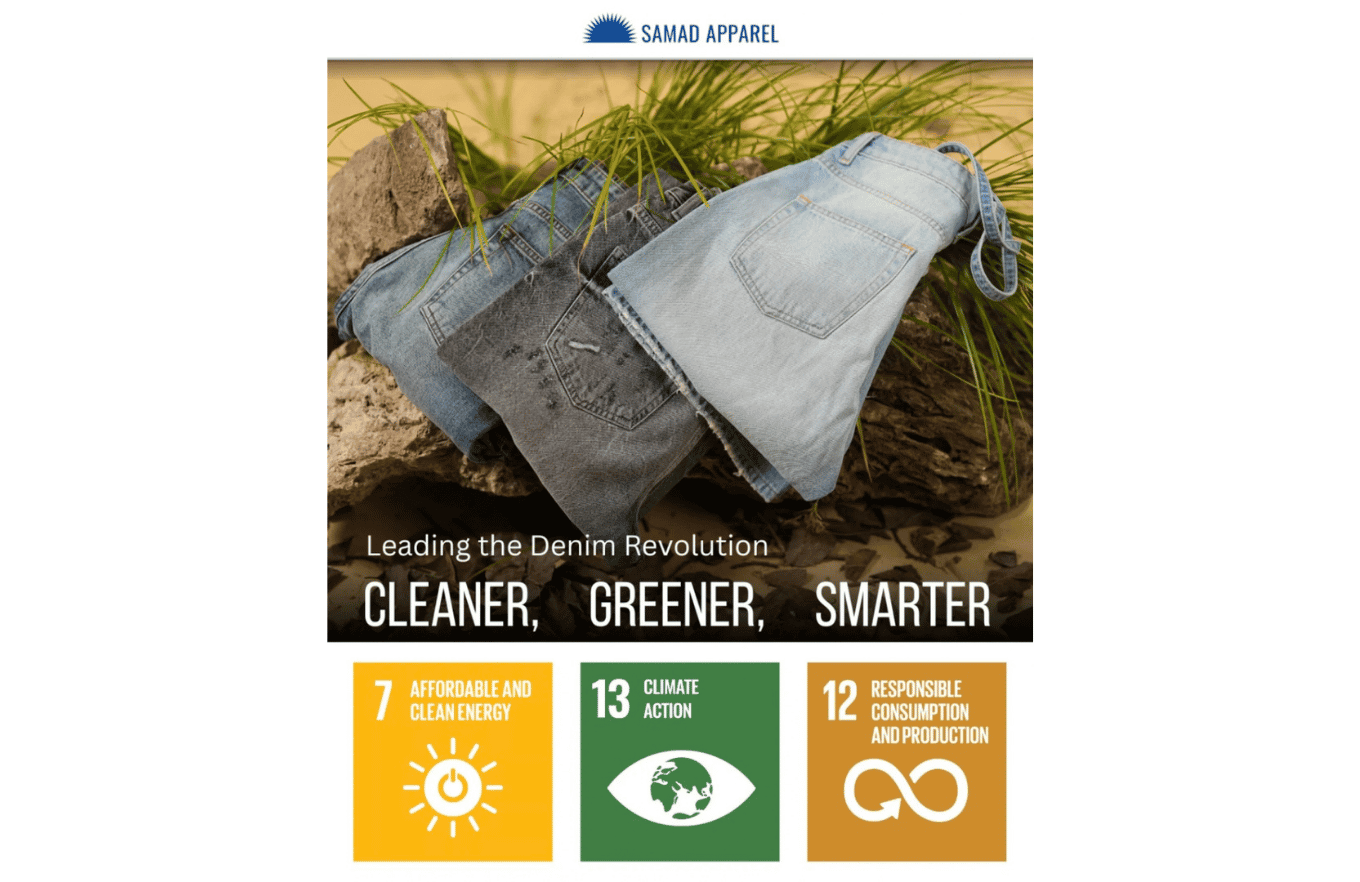
The reality is more practical than many myths suggest. Sustainable Apparel in Pakistan can involve a combination of responsible materials, efficient manufacturing, thoughtful product development, waste reduction, quality control, and longer product lifecycles.
Furthermore, working with an experienced Pakistan Apparel Exporter can help brands understand how responsible practices fit into commercial production. The strongest strategy is not necessarily the one with the most sustainability claims. It is the one that makes realistic improvements while maintaining quality, functionality, and customer value.
Samad Apparel can support brands looking to bring these principles into practical apparel production without losing sight of commercial requirements.
Sustainable fashion does not need to be expensive, dull, complicated, or reserved for major brands. The biggest challenge is often separating genuine production considerations from outdated assumptions. By examining materials, manufacturing methods, product durability, waste, and sourcing transparency together, brands can make more balanced decisions. Ultimately, responsible apparel is about creating better products with greater awareness of how resources are used. When sustainability is approached as a long-term business strategy rather than a passing trend, it can support stronger products, more credible brands, and more thoughtful growth.
Ready to move beyond sustainability myths? Contact Samad Apparel for responsible sourcing, quality-focused manufacturing, and practical apparel production solutions built around your brand’s goals.
Not necessarily. While some responsible materials may cost more, efficient production, reduced waste, durable products, and better inventory planning can help manage overall costs.
Yes. Small brands can introduce responsible practices gradually through material selection, efficient production, controlled quantities, and stronger quality management.
An experienced exporter can help brands coordinate responsible sourcing, production planning, quality control, manufacturing processes, and international apparel requirements.


